



















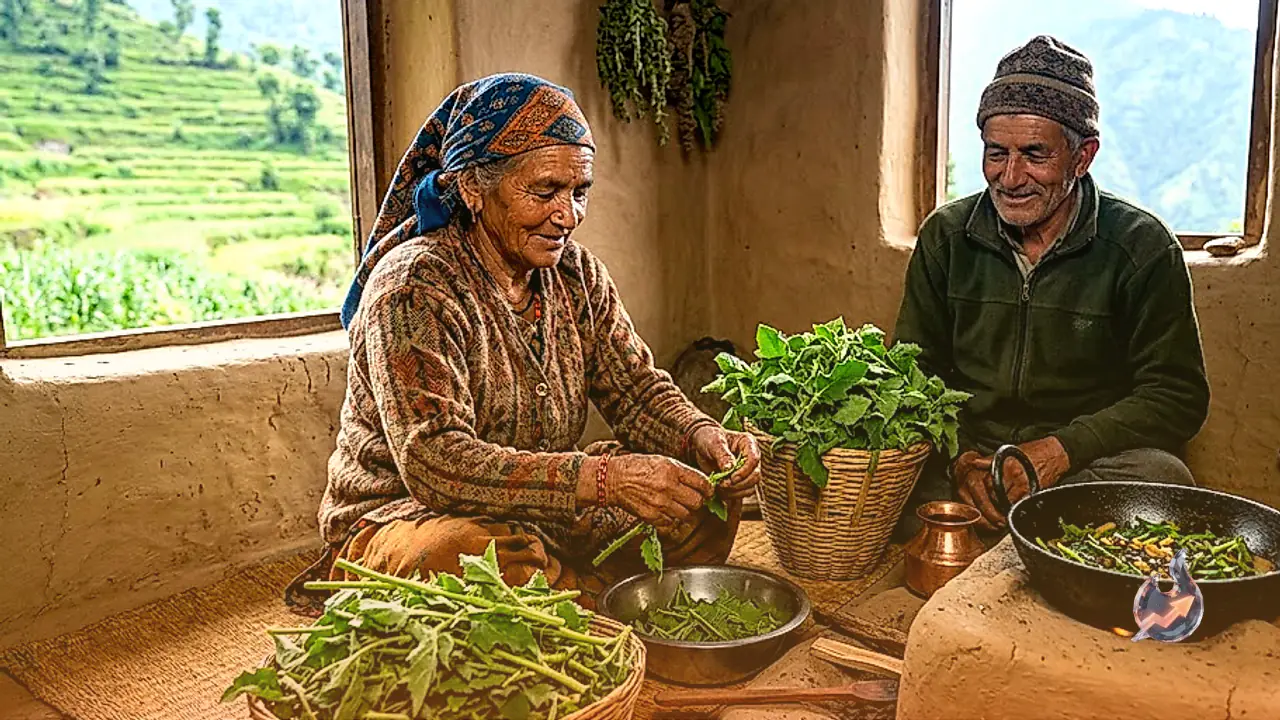

As the monsoon sets in across Uttarakhand's hill regions, several varieties of wild greens spring up naturally along farm edges, and one of them, known locally as kanteli lai or spiny lai, is prized both as a traditional cold and cough remedy and as an everyday vegetable.
What makes this plant easy to spot
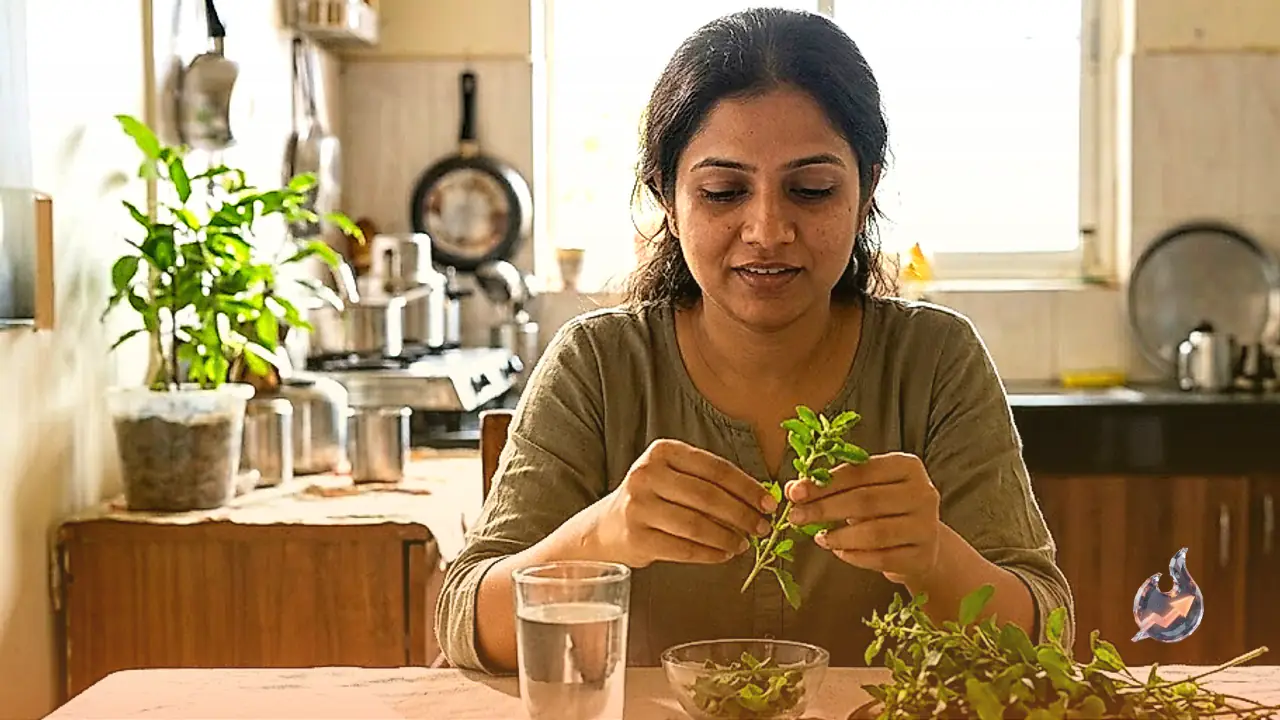
The leaves of kanteli lai are pointed and jagged at the edges, which is exactly why locals call it spiny, even though the plant carries no real thorns at all. Its leaves are deep green with sharp looking edges, yet the plant itself feels soft to the touch. It grows naturally on the bunds of hill farms, and only its tender leaves are considered fit to eat. People are advised to pick only fresh, healthy leaves, and if there is any doubt at all about identifying a wild plant correctly, it is best to check with someone locally familiar with it before eating it.
A long-standing home remedy for seasonal cough and cold
In the hills, kanteli lai has been cooked as a household food for years. A local expert named Ramesh says that eating its boiled leaves can bring relief from seasonal cough and cold. He is careful to add that if symptoms persist for a long time, consulting a doctor becomes necessary, and that this plant should be treated and used only as a traditional remedy, not as a substitute for medical treatment.
Packed with fibre, iron and vitamins
Dr. Aijal Patel, a physician based in Bageshwar, explains that like other green leafy vegetables, kanteli lai also contains fibre, vitamin A, vitamin C, iron and calcium. According to him, eating green vegetables regularly in balanced amounts helps strengthen the body's immunity and keeps the digestive system working better.
How it turns into a tasty vegetable dish
To prepare it, the tender leaves of kanteli lai are first washed thoroughly and then boiled. They are then tempered with jakhiya, garlic, green chillies and mild spices to turn them into a flavourful vegetable dish. Many people prefer to eat it alongside mandua or wheat rotis. Dr. Patel notes that the boiling process also cuts down much of the leaf's natural bitterness, making the final dish taste even better.
The tenderest leaves appear only during monsoon
Dr. Patel says the plant grows mostly in abundance during the monsoon season. New leaves begin sprouting along the edges of fields and forests once the rains arrive, and this is exactly when the leaves are considered at their most tender and tastiest. As the rainy season winds down, the availability of this plant also starts to shrink.
Precautions to keep in mind before picking it
When gathering any wild greens, people should only pluck the plant they can identify with full certainty. Kanteli lai should never be picked from roadsides, polluted areas, or spots exposed to pesticides. Before use, the leaves need to be washed several times in clean water so that soil and other impurities are completely removed.
More than a wild green, a piece of hill food culture
Dr. Patel points out that kanteli lai is not just another wild green, it is part of Uttarakhand's traditional food culture. Its distinct taste sets it apart from other leafy vegetables. Even today, many rural families include it in their meals during the rainy season. He adds that if it is identified correctly and used in a clean, hygienic manner, it can turn into a genuinely nutritious addition to one's diet.