























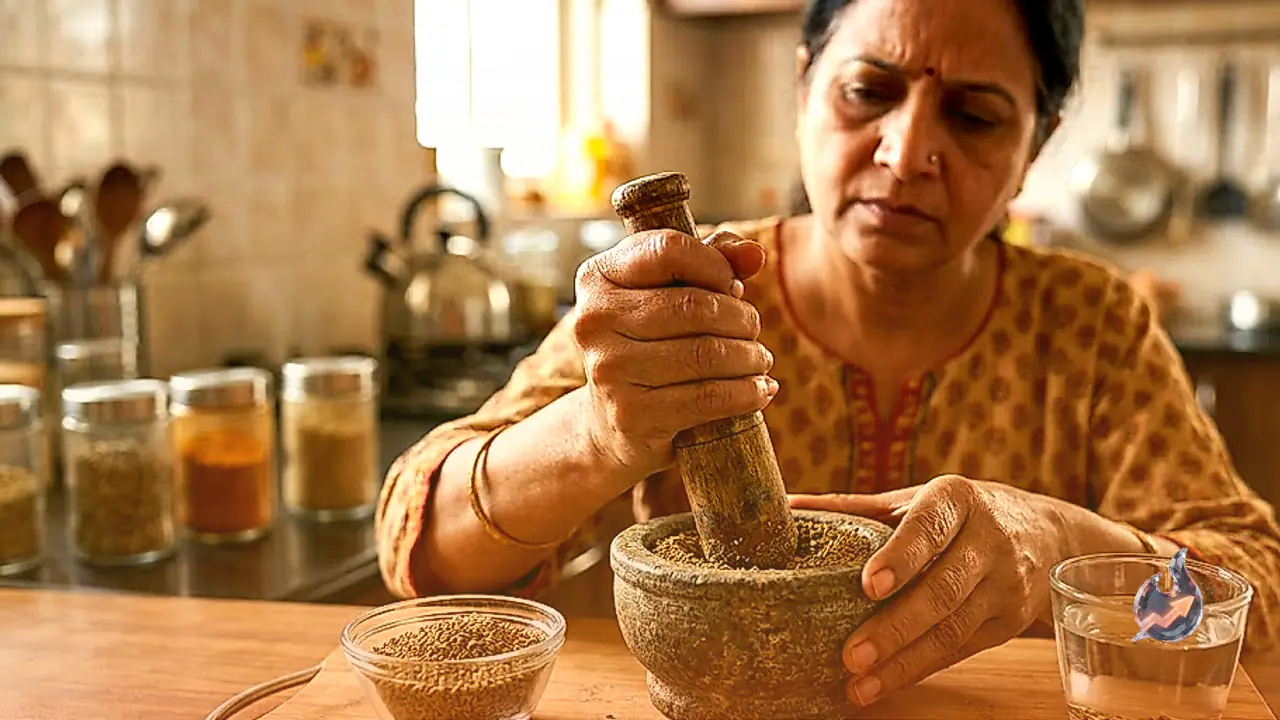

Migraine is far more than an ordinary headache. It is a neurological condition that can throw daily life off track, bringing a throbbing pain that usually settles on one side of the head. Many people also deal with nausea, vomiting, and an intense sensitivity to bright light or loud sound once an episode sets in. Some attacks fade within a few hours, while others can drag on for two to three days at a stretch. Doctor-prescribed treatment and medication remain the primary line of defence, but several home remedies are also considered helpful in easing symptoms, and one long-standing kitchen staple in Indian households, carom seeds or ajwain, is among them.
What actually triggers migraine attacks
Doctors point out that migraine rarely has a single cause. Stress, inadequate sleep, going without food for long stretches, dehydration, hormonal fluctuations, and certain foods can all act as triggers for different people. That is why experts recommend not relying on medication alone, and instead building a healthier lifestyle, eating balanced meals, and identifying and avoiding personal triggers. For people who experience migraine repeatedly, pinpointing what sets it off is considered just as important as the treatment itself.
Why ajwain is believed to help
Ajwain contains a natural compound called thymol, considered one of its most important active ingredients. Scientific studies have noted thymol's anti-inflammatory and antioxidant properties, which are believed to influence inflammation-related processes in the body. Since inflammation is among the factors that can worsen migraine pain for some people, ajwain may offer a degree of relief in such cases. However, it should not be mistaken for a cure or a substitute for medical treatment, it works only as a supportive measure.
The gut-brain link many people overlook
Few people realise that the digestive system and the brain are closely connected, a relationship often described as the gut-brain connection. For those who regularly deal with gas, indigestion or bloating, these issues can sometimes trigger a migraine episode. Ajwain has been used as a traditional home remedy to aid digestion for generations. It may help ease gas and that heavy, bloated feeling, and in doing so, could reduce migraine triggers for people whose attacks are linked to digestive trouble.
How people use ajwain during a migraine
During an attack, some people wrap lightly warmed ajwain in a cotton cloth and inhale its warmth and aroma. Its strong scent is believed to bring some relief from the heaviness felt in the head. Others prefer boiling ajwain in water and sipping the lukewarm liquid. When a migraine is linked to digestive discomfort, this method may prove helpful for some. That said, its effect can vary from person to person, so it should not be treated as a guaranteed fix.
When to see a doctor immediately
If migraine pain keeps recurring, becomes unusually intense, or is accompanied by symptoms such as blurred vision, difficulty speaking or weakness in any part of the body, medical attention should be sought without delay. Home remedies like ajwain can only play a supportive role, they are never a substitute for medication or expert medical advice.