























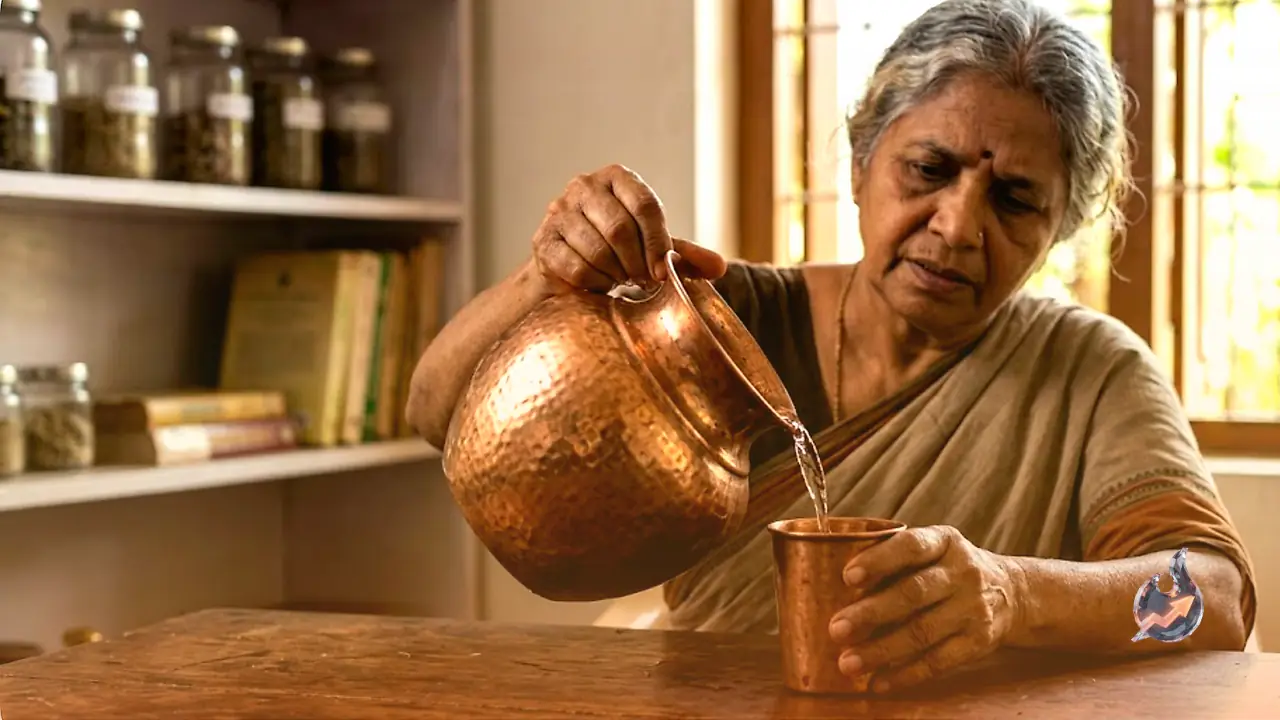

Storing and drinking water from copper vessels is a tradition deeply rooted in Indian homes. Ayurveda explains that water left in a copper vessel for a few hours absorbs copper ions, which are among the trace nutrients the human body requires. Experts acknowledge the practice as genuinely beneficial, but they are equally firm that following the correct method is non-negotiable. Done the wrong way, this healthy habit can flip into something harmful.
What the Expert Says
Dr. Saroj Gautam, Principal of Prem Raghu Ayurvedic Medical College in Hathras, Uttar Pradesh, told TrendKia that most people unknowingly commit one or more of three specific mistakes that convert a copper vessel from a wellness tool into a health risk.
Mistake One: Storing Water for Too Long
According to Dr. Gautam, a very common error is filling a copper vessel with water and simply leaving it there for a full day or even multiple days without changing it. The longer water stays in contact with copper, the more copper it absorbs. Water stored for 6 to 8 hours is generally considered the right amount of time to pick up a beneficial quantity of copper ions. Beyond that window, the copper content can climb to levels that may be harmful for some people. Filling the vessel with fresh water and changing it regularly is therefore essential.
Mistake Two: Putting Acidic Liquids in the Vessel
The Ayurveda expert is clear on this point: copper vessels should never be used to store lemon water, tamarind water, vinegar, juice or any other acidic substance. These liquids react chemically with copper and generate compounds that can be damaging to health. Ayurveda classifies keeping sour or acidic things in copper vessels as actively harmful to the body. This is precisely why copper vessels are traditionally reserved for plain water alone.
Mistake Three: Skipping Regular Cleaning
Over time, a layer builds up on the inner surface of a copper vessel, dulling its finish. If the vessel is not cleaned at regular intervals, its hygiene suffers and the water stored in it may no longer be safe to drink. Lemon and salt rubbed on the surface work effectively as a cleaning agent, and commercially available copper cleaners are another option. A well-maintained vessel is not only more pleasant to look at but also considerably safer to use.
How Much Copper Water Is the Right Amount?
Dr. Gautam recommends drinking copper vessel water in moderation. Making it the only source of drinking water throughout the day is not advisable. Instead, it should be incorporated in a balanced way into a daily routine. Anyone who already has liver, kidney or other health conditions should speak to their doctor before adding copper water to their regular habits.