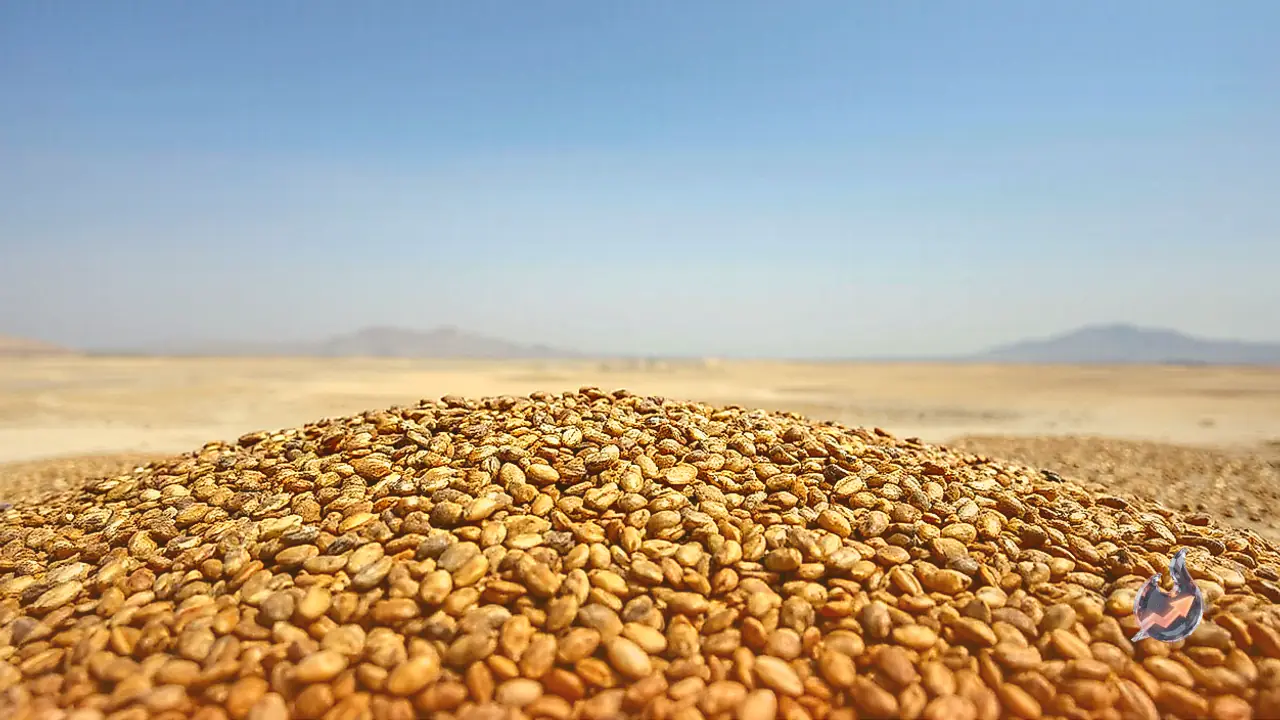
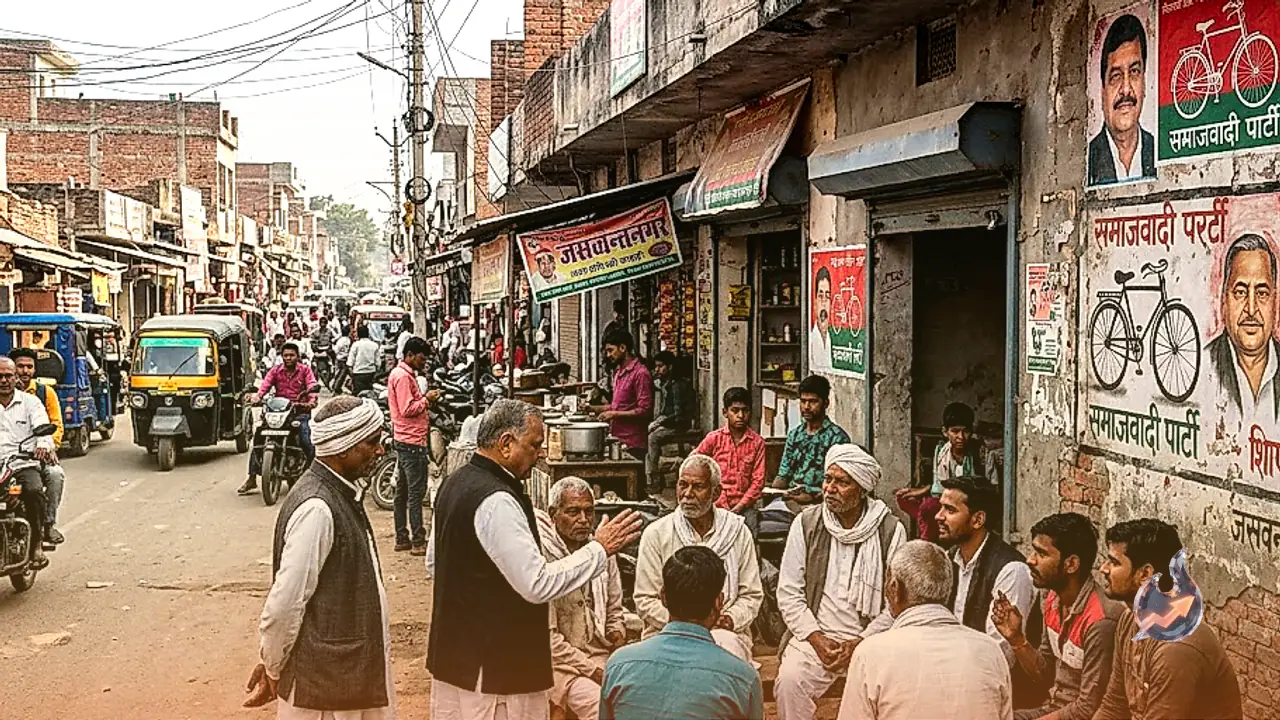

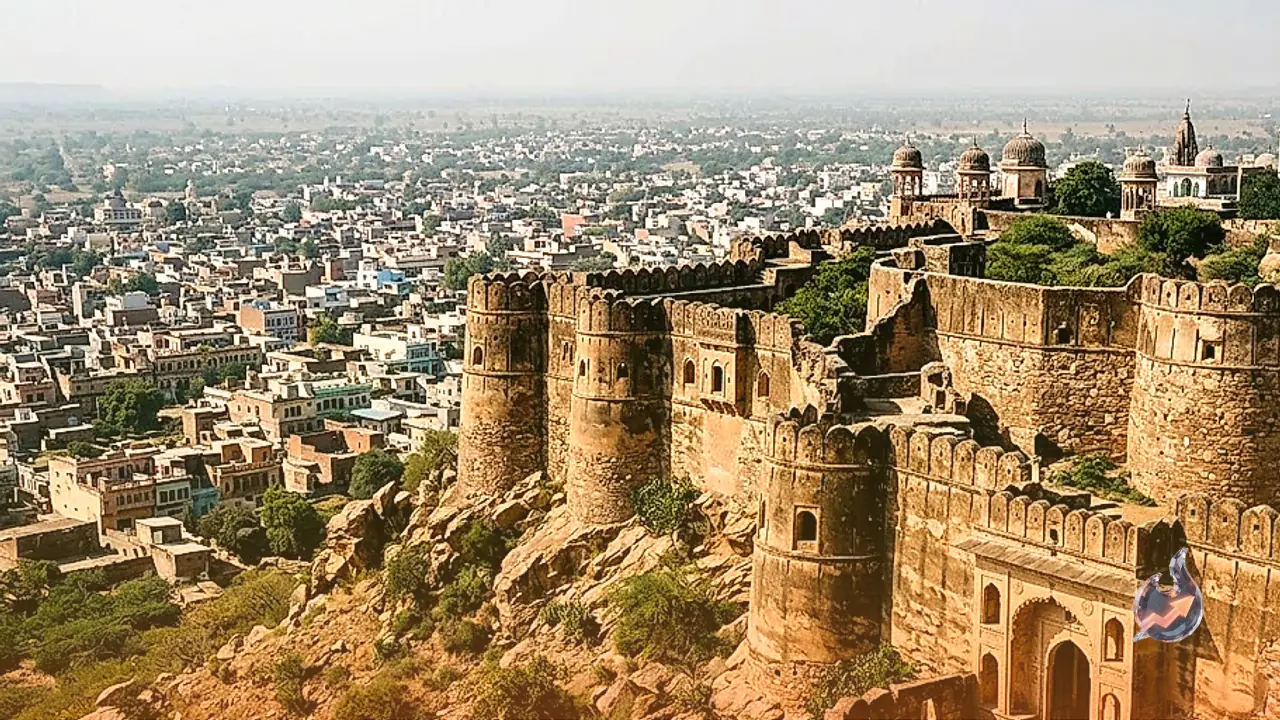



















In Bihar's Champaran district, a forest fruit called mahua is packed with iron, calcium and vitamin C, and locals consider it nothing short of a blessing for women's health. Mahua trees grow across nearly every part of Champaran, but they are found in the greatest numbers in the forested belts bordering the Valmiki Tiger Reserve.
A Tradition That Goes Back Generations
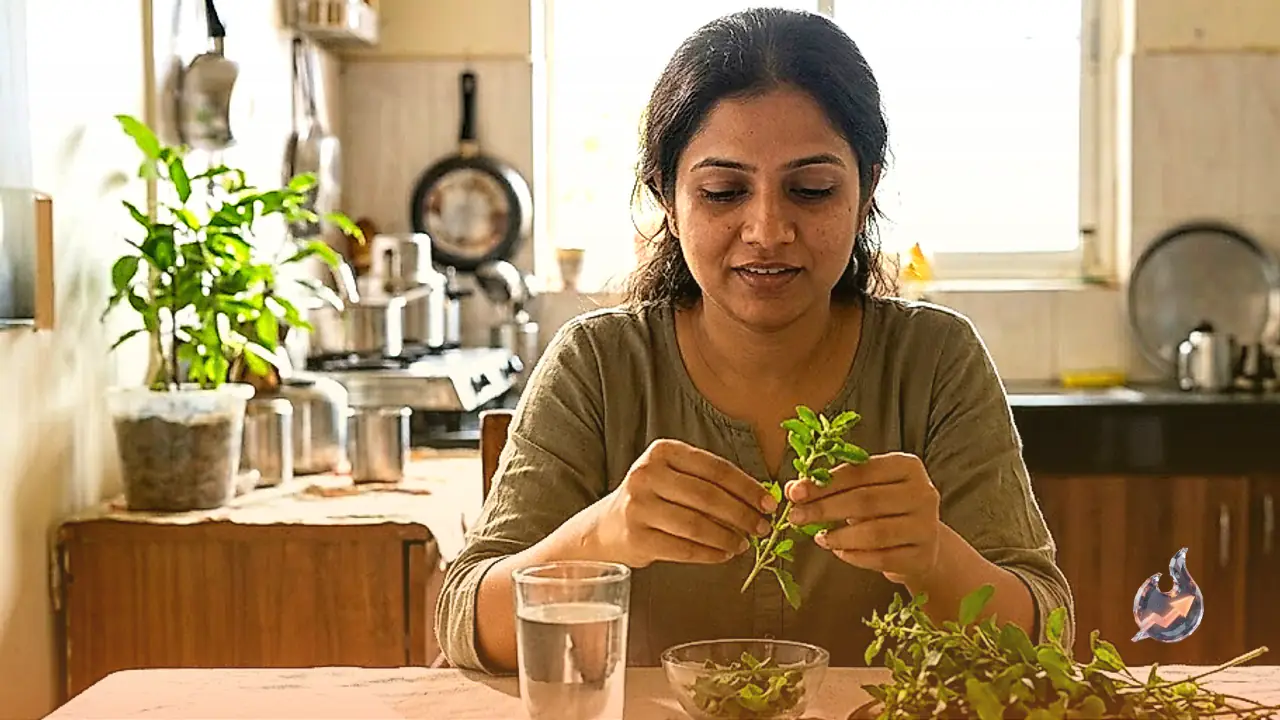
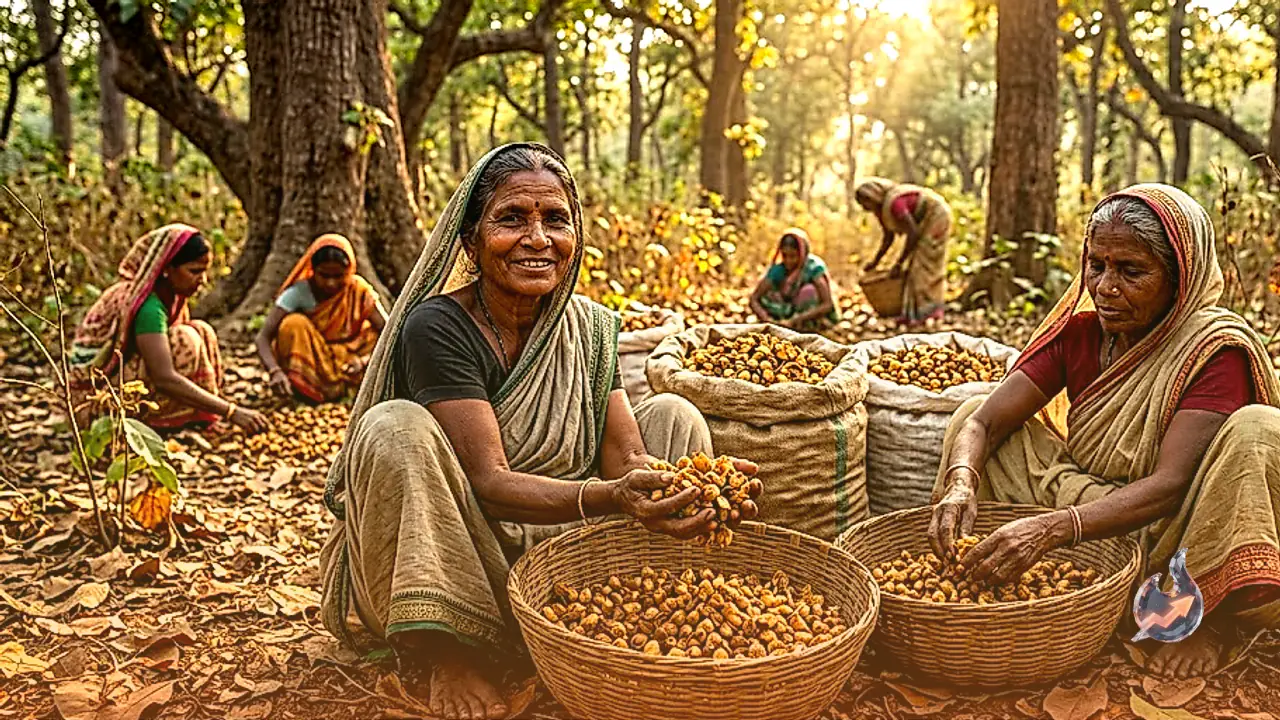
Women in the villages here have been using mahua's fruit, flowers and bark for years. People from the Tharu and Oraon tribal communities, who live in settlements right next to the forest, collect it with great care. Once gathered, it is brought home, washed thoroughly with water, dried in the sun and then used in several different ways.
Ayurveda Calls It A Superfood
Bhuvanesh Pandey, who has worked as an Ayurveda practitioner in Bettiah for close to four decades, says mahua is essentially a superfood that most city dwellers simply overlook. In the villages, people still gather it to make kheer, halwa and poodi. Beyond the fruit and flower, the bark of the mahua tree is also used to treat dental problems and other oral health issues.
A Remedy For Several Women's Health Issues
According to Pandey, mahua works as an excellent remedy for women dealing with period-related problems, leucorrhea, breastfeeding issues, anemia, and skin and hair troubles. Its flowers contain antioxidant and anti-inflammatory properties that help balance the pain, mood swings and irregularity many women experience during their menstrual cycle.
Stronger Bones And Healthier Teeth
The mahua fruit is considered an excellent source of calcium and iron. It helps make up for iron deficiency in the body while also strengthening bones. Pandey explains that if someone's teeth have become loose, extracting the bark of the mahua tree and using it as a gargle can help. Doing this regularly is said to make even loose teeth set firmly and permanently in place again.