




















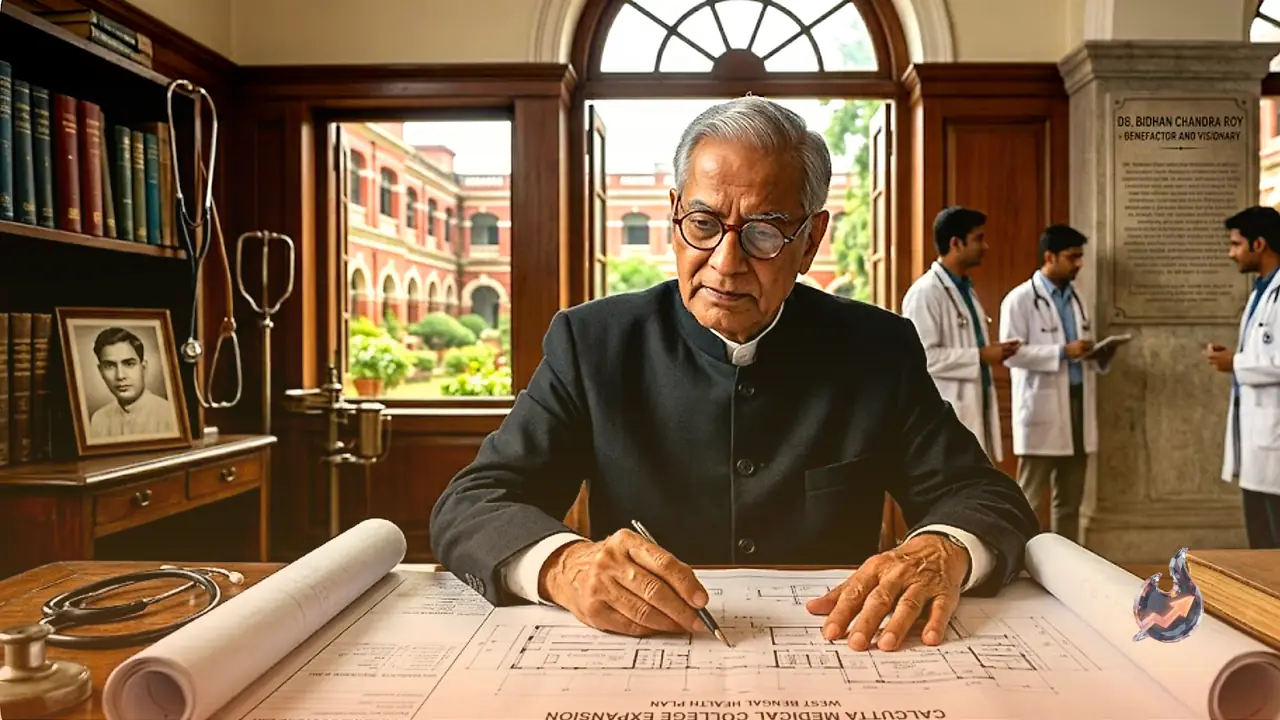

Every year on July 1st, India celebrates National Doctors' Day to show gratitude toward the medical professionals who work relentlessly to save lives. While it is a day of gratitude for the entire medical fraternity, the date itself holds profound historical significance. This annual celebration is a tribute to the life and legacy of Dr. Bidhan Chandra Roy, an exceptional physician, a dedicated freedom fighter, an academic visionary, and one of the primary architects of modern West Bengal. His tireless efforts laid the very foundation of India's healthcare infrastructure during a time when resources were scarce and the country was transitioning out of colonial rule.
The Early Struggles and Extraordinary Academic Grit
Dr. Bidhan Chandra Roy was born on July 1, 1882, in Patna, located in Bihar. His academic journey was marked by immense hard work and determination. After completing his graduation in mathematics at Patna College, he moved to Kolkata to pursue his medical education at the Calcutta Medical College. This was just the beginning of a life defined by an insatiable thirst for knowledge and service.
His quest for advanced medical education took him to London, where he aimed to study at the prestigious St. Bartholomew's Hospital. However, he faced immediate and deep-seated prejudice. The dean of the hospital rejected his admission application simply because of his Asian origin and his identity as a resident of Bengal, which was then considered a hotbed of nationalist rebellion against British rule. Dr. Roy refused to accept defeat. Showing unprecedented resilience, he submitted his application thirty times over consecutive periods until the dean finally yielded to his persistence and granted him admission. He went on to prove his extraordinary capability by obtaining both the MRCP and FRCS degrees, two of the most prestigious medical qualifications in the world, in a span of just two and a quarter years.
A Trusted Physician to Mahatma Gandhi and Transition into Governance
Upon his return to India in 1911, Dr. Roy fully dedicated himself to the medical profession. He possessed an extraordinary diagnostic ability, often renowned for identifying complex illnesses merely by feeling a patient's pulse. This diagnostic genius quickly established him as one of the premier doctors in the country.
His professional expertise and patriotic spirit brought him close to the leaders of the Indian national movement. He became a trusted friend and the personal physician of Mahatma Gandhi. During the intense period of the Quit India Movement in 1942, when Gandhi's health deteriorated severely during imprisonment, it was Dr. Roy who managed his treatment and recovery. It was under the strong encouragement of Mahatma Gandhi and Jawaharlal Nehru that he eventually entered active politics. He assumed office as the second Chief Minister of West Bengal in 1948 and continued to serve in this administrative capacity until the very last day of his life in 1962, guiding the state through difficult post-partition challenges.
The Architect of Modern Healthcare Infrastructure
Dr. Roy firmly believed that political independence would remain meaningless unless the citizens of the nation were physically and mentally healthy. With this philosophy guiding his actions, he took monumental steps to rebuild the country's broken healthcare framework. He was instrumental in establishing pivotal national bodies, playing a lead role in the formation of the Indian Medical Association, known as the IMA, and the Medical Council of India, known as the MCI.
His developmental vision also led to the creation of several prominent hospitals that continue to serve thousands of patients daily. Key establishments such as the Jadavpur TB Hospital, the Chittaranjan Cancer Hospital, and the Chittaranjan Seva Sadan in Kolkata were founded through his direct initiatives. Despite holding the high political office of Chief Minister, Dr. Roy never abandoned his medical calling. He maintained a daily routine of treating poor and underprivileged patients free of charge every morning, balancing state governance with direct public service.
A Unique Coincidence and the Highest National Honor
The life of Dr. Bidhan Chandra Roy concluded with a remarkable chronological coincidence. He passed away on July 1, 1962, which was exactly his eightieth birthday, meaning both his birth and death occurred on the same date of the year. In recognition of his unparalleled contributions to public service, healthcare, and state administration, the government of India conferred upon him the highest civilian award, the Bharat Ratna, in 1961. Thirty years later, in 1991, the government declared July 1st as National Doctors' Day to institutionalize his memory and honor the contributions of all medical practitioners.
Contemporary Challenges Faced by the Indian Medical Community
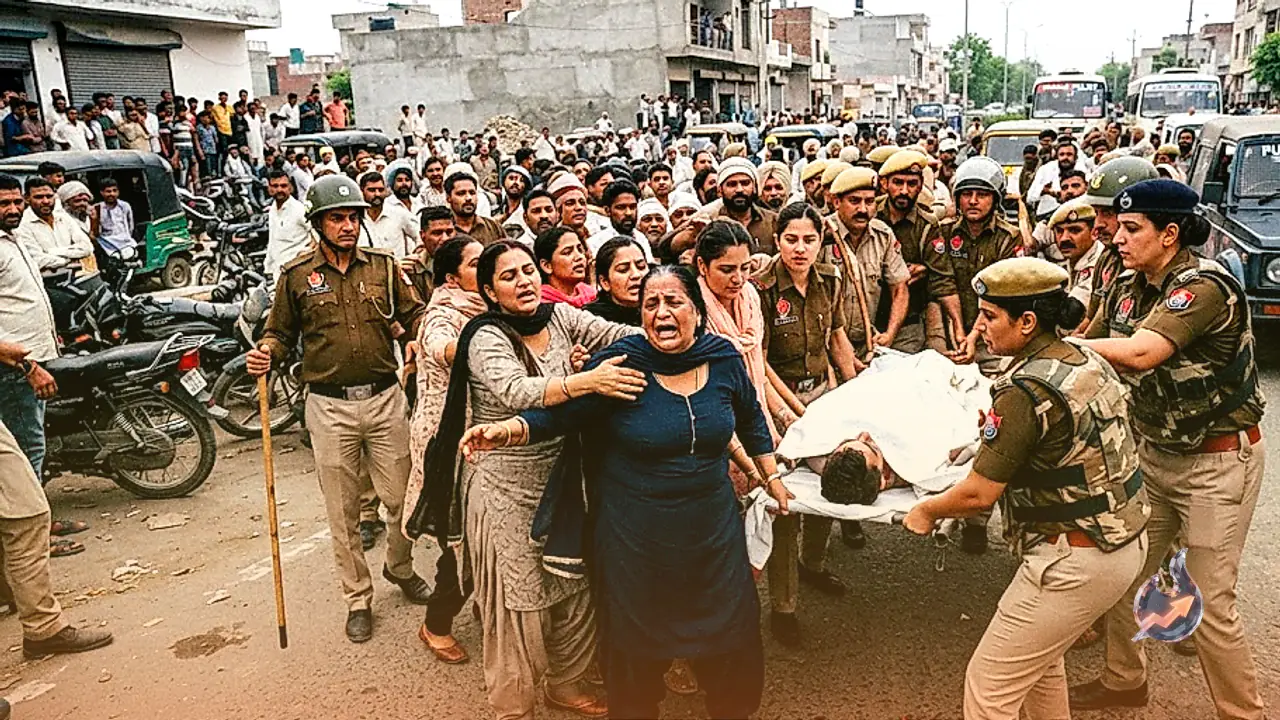
While the legacy of Dr. Roy remains an inspiration, the medical profession in India today faces severe systemic and societal challenges. One of the most critical issues is workplace violence, where medical staff are frequently subjected to physical assaults by patients' relatives during times of medical crisis. This lack of security forces many professionals to operate under constant fear and anxiety.
Additionally, doctors in public and large private hospitals endure grueling shifts, often working continuously for twenty-four to thirty-six hours due to severe staffing shortages. This extreme workload severely impacts their own physical and mental well-being. Furthermore, rural and semi-urban medical centers suffer from a lack of proper infrastructure and essential diagnostics, making it extremely difficult for doctors to deliver timely and accurate treatments.
The Doctor-Patient Ratio and the Shift in Trust
According to the guidelines of the World Health Organization, known as the WHO, there should be at least one doctor for every one thousand citizens. While India is making progress toward reaching this benchmark, a severe urban-rural divide persists. The majority of qualified doctors are concentrated in major metropolitan cities, leaving the vast rural population struggling to access primary healthcare services. This issue is compounded by a growing population and a sharp rise in lifestyle-related disorders such as diabetes and cardiovascular diseases, which demand specialist care.
The traditional relationship between doctors and patients has also undergone a significant transformation. The widespread availability of internet search engines has led to the rise of self-diagnosis, often referred to as the Google Doctor phenomenon. Patients frequently research their symptoms online before visiting a clinic, arriving with incomplete or incorrect medical knowledge. This shift has altered the dynamic of trust, occasionally leading to unnecessary skepticism and conflict during medical consultations.