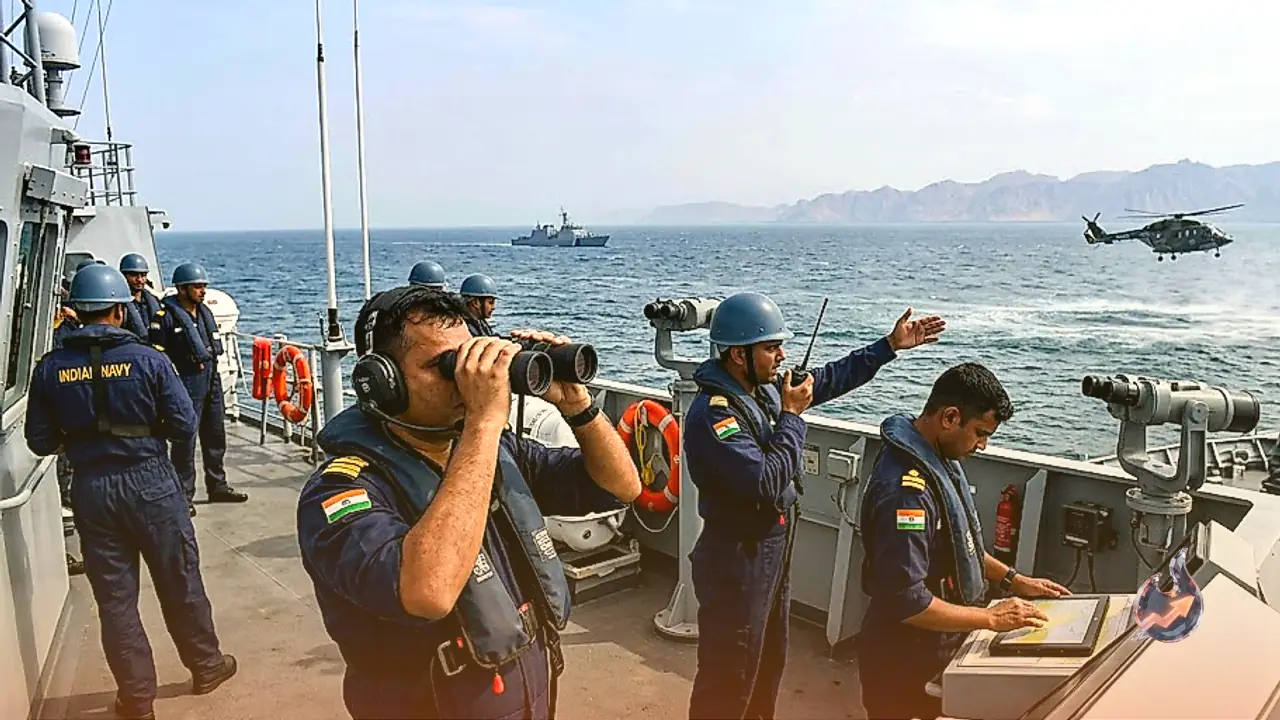























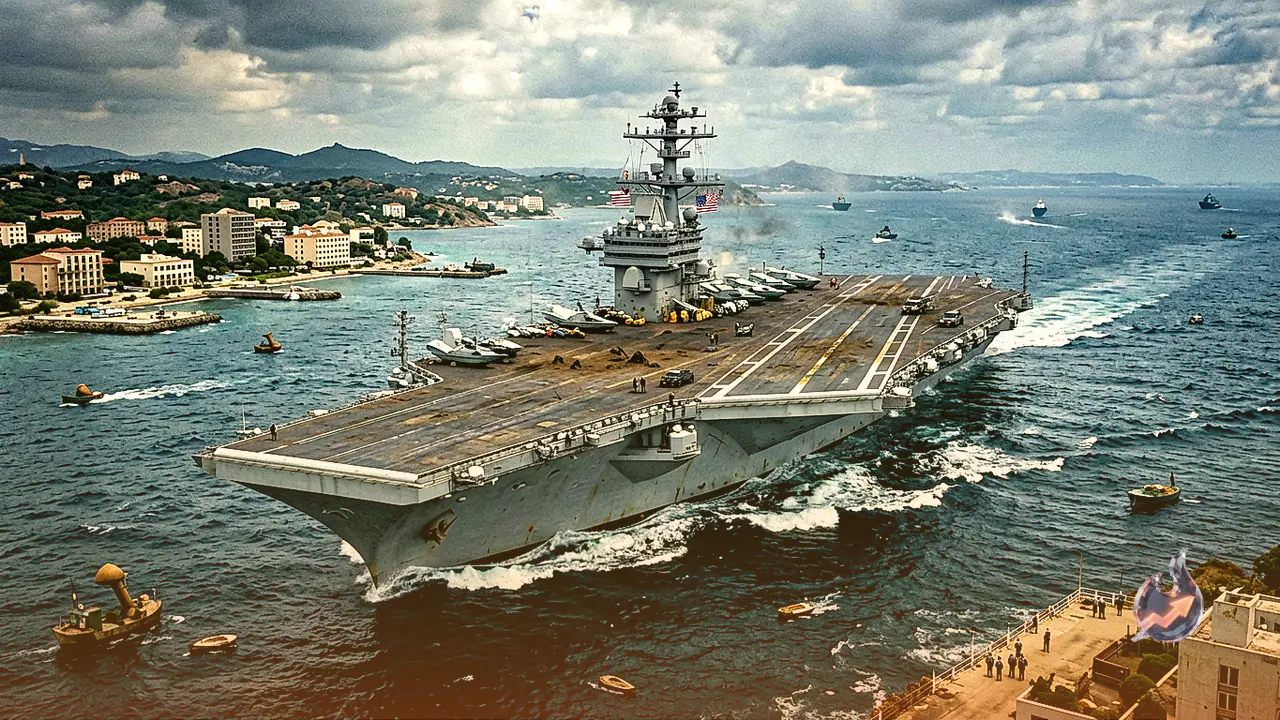

Mounting operational strains from the ongoing military conflict with Iran in the Middle East have driven a major redeployment within the US Navy fleet. Under strategic necessity, Washington has ordered its capital warship, the USS George Washington, to vacate its station in the Western Pacific Ocean. The aircraft carrier is being dispatched to the Middle East to relieve the USS Abraham Lincoln, whose deployment had been repeatedly extended past its scheduled May departure due to persistent regional hostilities. This maritime relocation creates an immediate security void across the Western Pacific, providing Beijing with an unexpected strategic opening.
Strategic Shift Creates Security Void in Western Pacific
The withdrawal of a primary aircraft carrier from the Western Pacific presents a formidable challenge to Washington's defense posture in Asia. While US defense officials maintain that this coverage gap is strictly temporary and that a replacement vessel will be rotated into the theater soon, defense experts view the move as a sign of strategic overextension. The prolonged campaign involving Iran is visibly stretching naval resources, creating ripple effects in vessel maintenance schedules and crew endurance.
Operational Toll on USS Abraham Lincoln After 240 Days at Sea
Operating continuously in Middle Eastern waters, the USS Abraham Lincoln has logged over 240 consecutive days at sea, establishing a record for the carrier's deployment history. Extended duty without port calls or rotational relief has heightened physical and psychological fatigue among sailors on board. The relentless operational pace has raised serious concerns regarding personnel welfare and overall mission readiness.
Congressional Scrutiny and Mounting Supply Shortages
Conditions aboard the deployed strike group have drawn attention on Capitol Hill. Democratic lawmakers in the US Congress have formally requested investigations and enhanced transparency regarding deteriorating shipboard conditions on the USS Abraham Lincoln. Furthermore, unbroken months at sea have exacerbated logistics bottlenecks, leading to tight supplies of provisions, essential maintenance gear, and ordnance across the fleet.
Ally Concerns Over Trump Administration Policy Alignment
This carrier shuffle coincides with a rapid expansion of Chinese naval maneuvers across the Asia-Pacific region. Commenting on the shift, Greg Polling, a scholar at the Center for Strategic and International Studies, noted that official US doctrine designates the Pacific as the nation's top priority theater, yet actual force deployments reflect the opposite. Despite long-standing commitments to draw down military entanglements in the Middle East, Washington remains deeply bogged down in the region.
According to Greg Polling, President Donald Trump's decision has injected fresh anxiety among US treaty partners in the Asia-Pacific, who worry Washington could leave them exposed during a regional crisis. Conversely, leadership in Beijing views US distraction and allied hesitation as a favorable geopolitical development.
Geopolitical Implications for Taiwan and Southeast Asia
Beijing has historically viewed the presence of US aircraft carrier strike groups in the Western Pacific as a direct challenge to its influence and the primary obstacle to asserting control over Taiwan. Bryan Clark, a defense analyst at the Hudson Institute, observed that while the departure of a single carrier does not signal an imminent amphibious invasion of Taiwan, it offers Beijing an ideal opportunity to project power across neighboring sea lanes.
China is leveraging this window to demonstrate to nations such as Japan, the Philippines, and Indonesia that regional maritime dominance is shifting. Chinese state narratives are increasingly emphasizing that Washington may no longer possess the capacity to guarantee security for its regional allies.
Chinese Military Drills and Regional Demonstrations of Force
Chinese forces have stepped up naval demonstrations in surrounding waters. The Chinese navy recently executed joint maritime exercises with Indonesia and conducted large-scale maneuvers near Scarborough Shoal in the South China Sea, a feature claimed by the Philippines. Additionally, a Chinese guided-missile warship conducted live-fire weapons tests near Okinotorishima, Japan's southernmost island feature, signaling heightened military assertiveness.
Diplomatic Reassurance Missions by Senior US Military Leadership
To stem declining strategic confidence and bolster security ties, Washington has deployed senior commanders across Asia. Admiral Frank Bradley, head of US Special Operations Command, recently traveled to Manila to reassure Philippine defense leaders of continued US commitment and expanded joint force training. Following his meetings in the Philippines, Admiral Frank Bradley is scheduled to visit Japan.
However, Evan Sankey, a policy analyst at the Cato Institute, emphasized that forward-deployed US aircraft carriers serve as critical psychological anchors for regional partners. Their physical absence sends an unambiguous signal that US military focus is currently consumed by crises in the Middle East.
Fleet Strain and Unprecedented Carrier Maintenance Demands
The broader US carrier fleet faces severe strain under current operational tempos. The USS Gerald R. Ford returned to its home port in mid-May following a historic 11-month deployment, marking the longest continuous deployment for a US carrier since the Vietnam War. During its missions against targets in Iran and contingencies involving former Venezuelan President Nicolas Maduro, the warship experienced technical setbacks and maintenance hurdles, illustrating systemic sustainment challenges confronting the navy.