























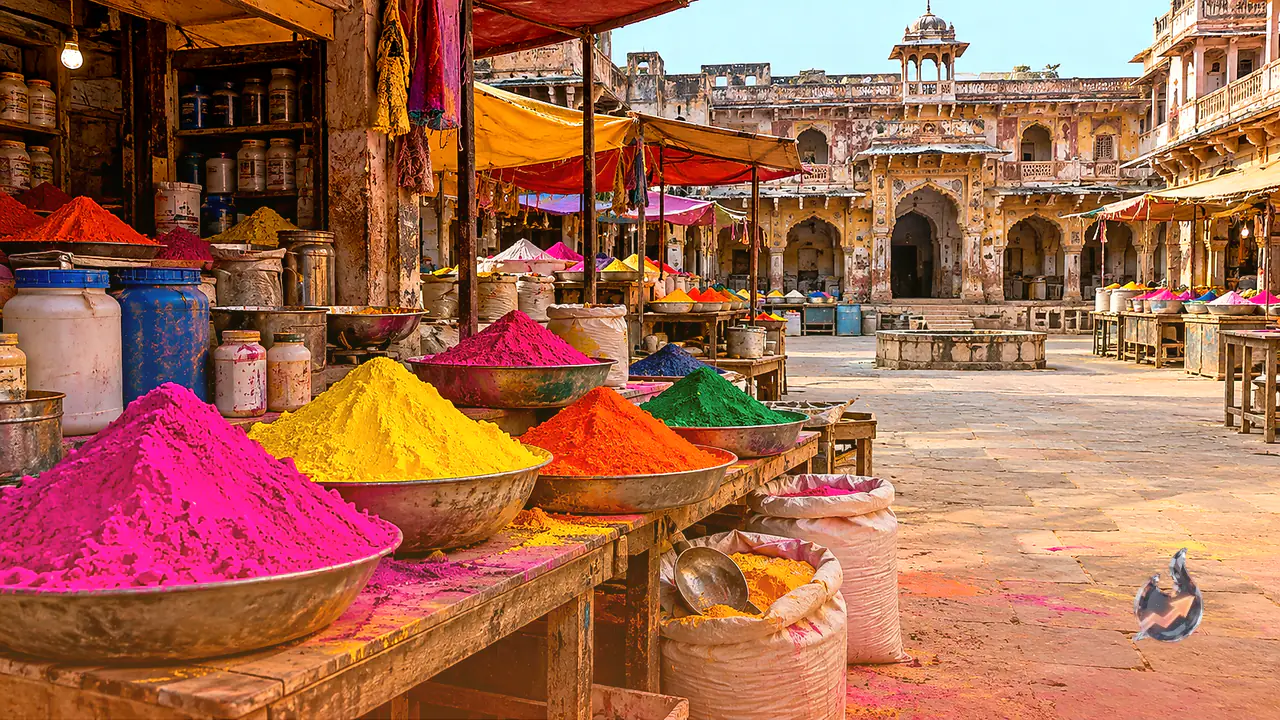

Festive markets often see an influx of vibrant powders and gulal across hundreds of retail displays. While celebration and merriment form the core of the season, personal physical well-being remains the utmost priority. A momentary lapse in judgment during festivities can lead to severe bodily harm. Shoppers must not mistake an intense visual gloss for high manufacturing quality, as excessive shine often signals the presence of aggressive synthetic additives blended solely to cut costs, deepen pigment, and intensify radiance.
The Commercial Push Behind Chemical-Laced Pigments
According to Dr. Rupali Bhardwaj, a medical cosmetologist based in Noida, the widespread incorporation of industrial compounds in colour formulation is driven primarily by economics. Adding these agents enables cheap manufacturing while yielding intense, saturated tones and amplified visual shine. Once these industrial materials mix into powdered bases, the formulations become intensely toxic, delivering extensive damage upon contacting human tissues.
Identified Hazardous Compounds in Vibrant Powders
Manufacturers blend specific toxic substances to achieve distinct color shades and textural effects. Key compounds identified in these formulations include
- Mercury Sulphite: Routinely incorporated to generate intense, deep red hues.
- Malachite Green: Employed as the primary agent for dark green shades.
- Junction Violet: Utilized to formulate saturated purple or violet tones.
- Aluminium Bromide: Blended to produce metallic and silver finishes.
- Glass Particles: Crushed micro-fragments added purely to impart reflective sparkle.
- Lead Oxide and Copper Sulphate: Heavy chemical compounds applied for pigment stability and deep coloration.
Severe Systemic and Dermatological Health Hazards
The health consequences of exposure to these industrial ingredients are widespread and severe. Compounds such as lead oxide, copper sulphate, and mercury sulphide possess the ability to cross the placental barrier. Consequently, exposure creates profound health hazards for pregnant women and developing fetuses or newborns.
Direct dermal contact frequently leads to severe dermatitis, characterized by inflamed red patches and burn-like lesions across exposed skin. The physical presence of crushed glass particles cuts into dermal tissue, tearing the surface and producing open micro-lacerations. In the eyes, these foreign compounds induce sharp burning sensations, pronounced corneal redness, and internal abrasions or ulcerations.
Many of these chemical elements exhibit carcinogenic properties and cause extreme cutaneous dryness. Exposure triggers acute allergic episodes and drastically worsens preexisting dermatological conditions. Furthermore, individuals with chronic respiratory conditions, pulmonary ailments, or ocular disorders face magnified clinical complications upon exposure.
Essential Label Inspection Protocols Before Purchase
Dr. Rupali emphasizes that beyond these prevalent substances, multiple unlisted chemical additives are regularly incorporated into both dry powders and scented gulal. While identifying every synthetic compound by memory remains challenging for consumers, examining the ingredient declaration on packaging is an indispensable safeguard.
If product packaging lists any of these toxic chemical compounds, consumers should immediately refrain from buying them. The safest alternative is opting for reputable, quality-certified herbal gulal from trusted manufacturers, accompanied by a careful inspection of the printed ingredient breakdown prior to use.