


















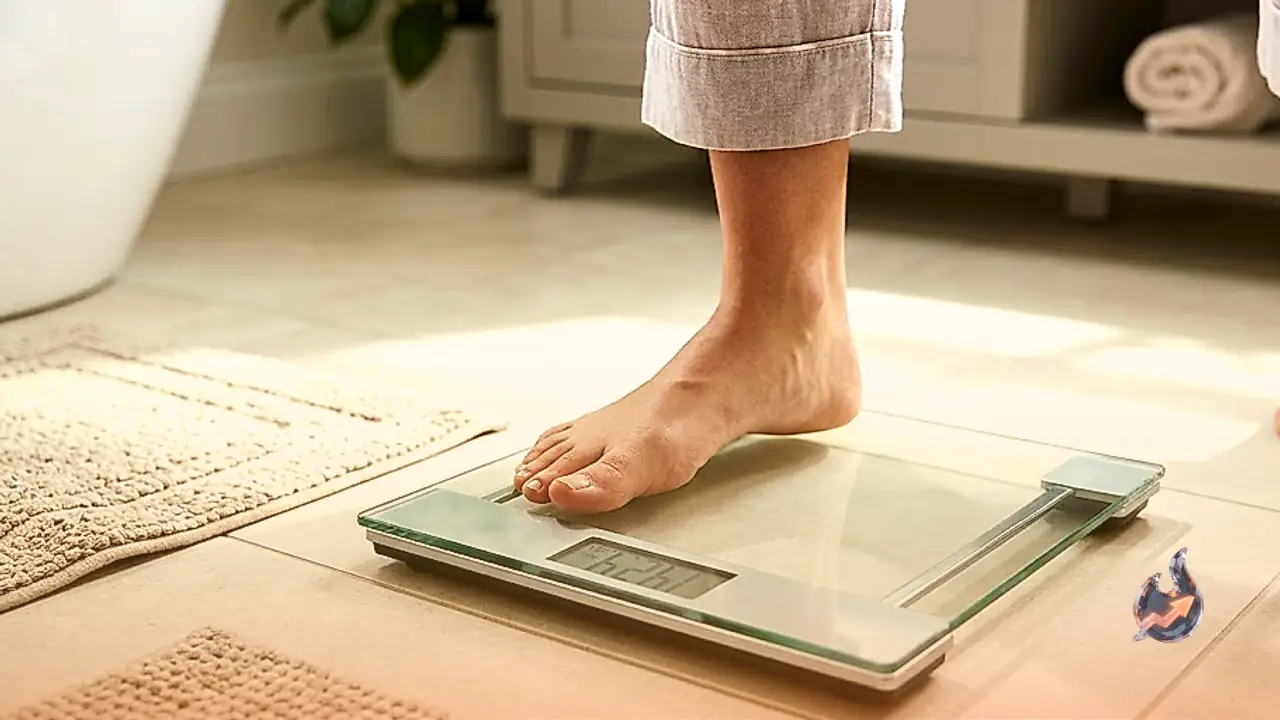

An increasing number on the scale is not exclusively tied to the accumulation of body fat. In many cases, everyday eating habits and physiological factors contribute to a phenomenon known as water weight, which occurs when the body retains excess fluids. Common triggers for this condition include dehydration, high sodium intake, poor lifestyle habits, and underlying health concerns. Visible signs of this fluid buildup often manifest as bloating, swelling in the hands and feet, and puffiness around the face.
Human biology relies on a body composition that is roughly sixty to seventy percent water. When the internal balance of fluids gets disrupted, the system begins holding onto extra moisture instead of flushing it out. Although carrying water weight is not inherently dangerous and reducing it does not equate to immediate fat loss, managing it successfully helps alleviate bloating and physical sluggishness. Implementing targeted strategies can significantly assist anyone looking to control and reduce this temporary fluid retention.
Maintain adequate hydration levels
A common misconception is that drinking less water helps prevent fluid retention, but the opposite is true. Dehydration can actually signal the body to hold onto whatever water it has left. Ensuring a steady intake of fluids throughout the day keeps internal hydration levels balanced. The right amount of water should be consumed based on individual requirements, current weather conditions, and daily physical activity levels.
Monitor salt and sugar consumption
Consuming excessive amounts of sodium and sugar can worsen fluid buildup within tissues, making moderation essential. Incorporating potassium-rich foods into daily meals proves beneficial for counteracting these effects. Additionally, adding wholesome ingredients like garlic, cabbage, leafy greens, lemons, and cucumbers to a balanced diet helps regulate overall fluid levels naturally.
Embrace physical activity and yoga
Engaging in regular physical movement improves blood circulation throughout the body and assists in managing excess fluids. Practicing yoga is another wonderful option to support overall wellness. However, it is important to remember that inverted yoga poses are neither necessary nor suitable for everyone, meaning individuals should practice according to their own comfort and safety limits.
Ayurvedic massage and professional medical advice
Abhyanga is a traditional Ayurvedic practice involving oil massage that helps relax the body and ease muscle tension. This technique can also assist in promoting detoxification and reducing fluid retention. Nevertheless, if swelling persists consistently, particularly in the legs or face, it should never be ignored. Such symptoms can sometimes point toward underlying kidney, heart, or liver issues, making timely consultation with a qualified medical professional essential.