




















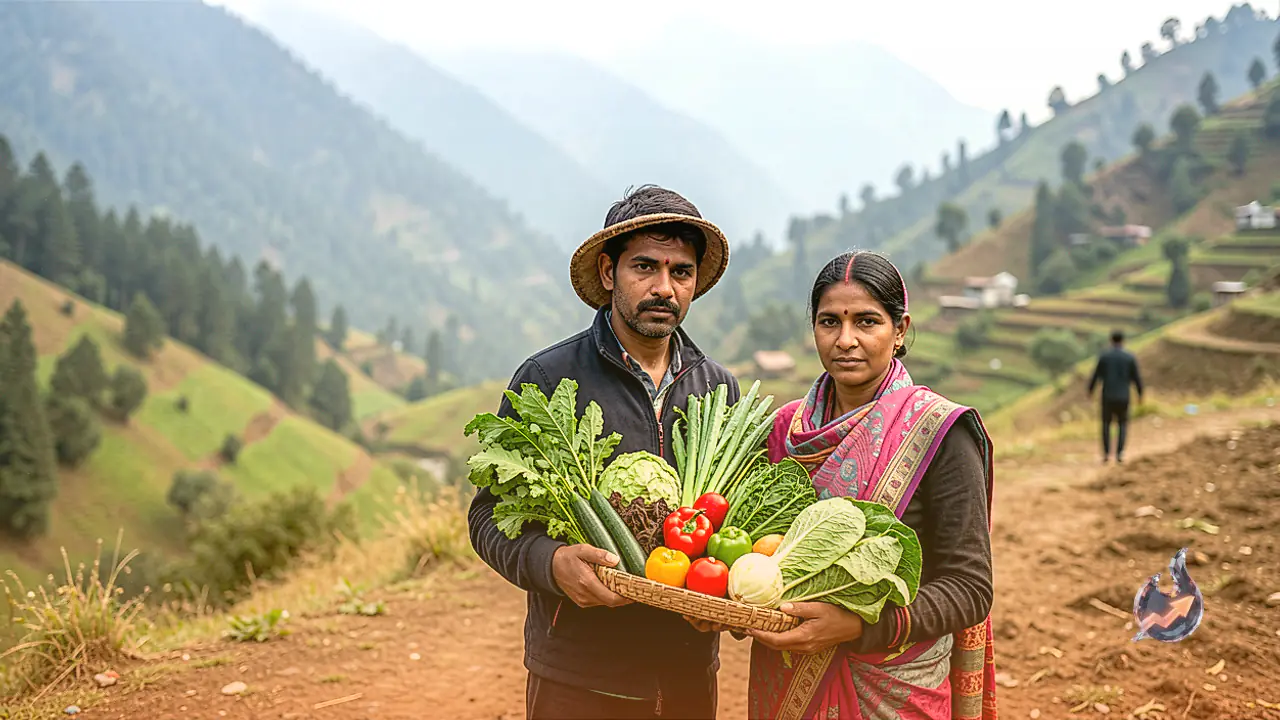

Tucked away in the serene valleys of Uttarakhand grows a traditional green vegetable celebrated for both its subtle taste and impressive nutrient density. Known locally as Iskos, and referred to as Iskus or Chhyote in regional dialects, this mountain staple is familiar to English speakers as Chayote. In several other parts of India, consumers recognize it by the common name Chow Chow. Botanists classify the plant under the scientific name Sechium edule. Characterized by its light green hue and tender outer skin, this produce serves as an integral part of Himalayan home cooking. It delivers substantial amounts of dietary fibre, vitamin C, potassium, and natural antioxidants. According to Dr. Siraj Siddiqui, an Ayurvedic practitioner based in Dehradun, incorporating these vital nutrients into regular meals actively assists in optimizing digestive functions, maintaining steady weight control, and sustaining healthy blood pressure numbers.
A Climbing Vine of Mountain Rooftops and Courtyards
Across mountain settlements, cultivating Iskos requires minimal infrastructure or specialized agricultural fields. Residents frequently plant the climber near their home courtyards or guide its robust vines up along rooftop parapets and trellises. The hanging produce is widely appreciated by household members for its slightly sweet, succulent flesh. In local kitchens, the vegetable shows remarkable culinary versatility. Cooks routinely prepare it as a dry spiced sauté, simmer it into a rich curry broth, combine it with potatoes, or hollow it out to create savoury stuffed delicacies and soothing warm soups.
Low Calorie Density for Sustained Weight Management
One of the primary nutritional highlights of Iskos, as highlighted by Dr. Siraj Siddiqui, is its remarkably low calorie count. Individuals attempting to trim surplus body mass or prevent unwarranted weight gain find it exceptionally practical for daily consumption. The abundant dietary fibre within the vegetable expands in the stomach, promoting prolonged satiety after meals. By keeping hunger pangs at bay, it diminishes the urge for frequent snacking between meal intervals, directly aiding ongoing weight regulation. This combination of minimal calories and abundant nutrients anchors its enduring place in traditional mountain fare.
Regulating Blood Pressure and Cardiovascular Stability
Fluctuating blood pressure remains a widespread lifestyle ailment that places excessive strain on the circulatory system. Iskos naturally supplies a beneficial quantity of potassium, an essential mineral that counterbalances the effects of sodium in the human body. Adequate potassium intake helps relax the tension within arterial walls, enabling smoother blood circulation and supporting stable pressure readings. Through this physiological mechanism, the vegetable offers gentle nutritional backing to long-term cardiovascular well-being.
Blood Sugar Moderation for Diabetes Care
Managing diabetes necessitates consistent vigilance over portion sizes, caloric intake, and the rate at which carbohydrates enter the bloodstream. Dr. Siraj Siddiqui notes that the light, low-calorie profile of Iskos makes it a sensible addition to a balanced diabetic regimen. The dietary fibre present in the vegetable slows down the digestive breakdown of food, moderating the speed at which sugars are absorbed into circulation. Consequently, it can assist in averting sharp post-meal blood glucose spikes. Nevertheless, dietary measures should be viewed as supportive nutrition rather than an exclusive cure, and patients must remain anchored to complete medical guidance.
Antioxidant Action for Cellular Vitality and Skin Health
Cellular deterioration driven by free radicals is a leading contributor to premature tissue ageing and dull skin appearance. Iskos contains potent antioxidant compounds that help shield cellular structures from oxidative stress. By curbing this microscopic damage, the vegetable supports the maintenance of firm, healthy dermal tissues and may help delay visible signs of ageing. Individuals looking to nourish their skin from within can readily turn to this native mountain produce as a clean, wholesome food choice.
Nutritional Considerations During Pregnancy
Expectant mothers require a steady influx of micronutrients to preserve maternal health while nurturing fetal growth. The assortment of vitamins and minerals packed inside Iskos provides valuable nutritional reinforcement during this demanding biological phase. However, because physiological requirements and dietary tolerances differ significantly from person to person during pregnancy, the exact advantages derived from this vegetable ultimately depend on an individual's broader dietary patterns and specific medical needs.
From Cooked Curries to Fresh Table Salads
Owing to its generous moisture content and gentle flavour notes, Iskos adapts effortlessly to diverse culinary preparations. Families throughout the hills frequently braise it alongside potatoes in warming spice blends or prepare it in thin gravies. When cooked with minimal oil and gentle seasonings, it turns into an easily digestible meal well suited for the elderly or individuals recuperating on a light diet. Beyond standard cooked dishes, many choose to dice it finely and eat it raw as a crunchy salad ingredient. Once confined largely to domestic mountain homesteads, this humble agricultural wonder is steadily gaining recognition among urban consumers seeking clean, nutrient-dense natural produce.