






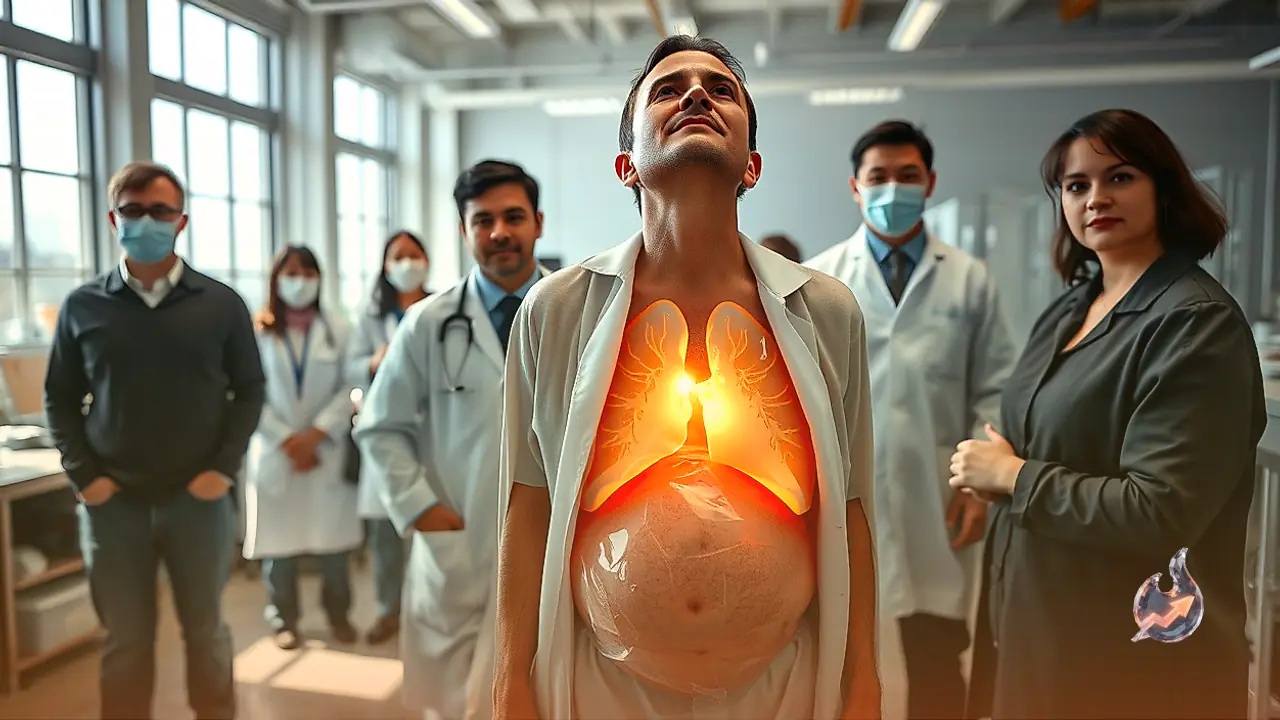
















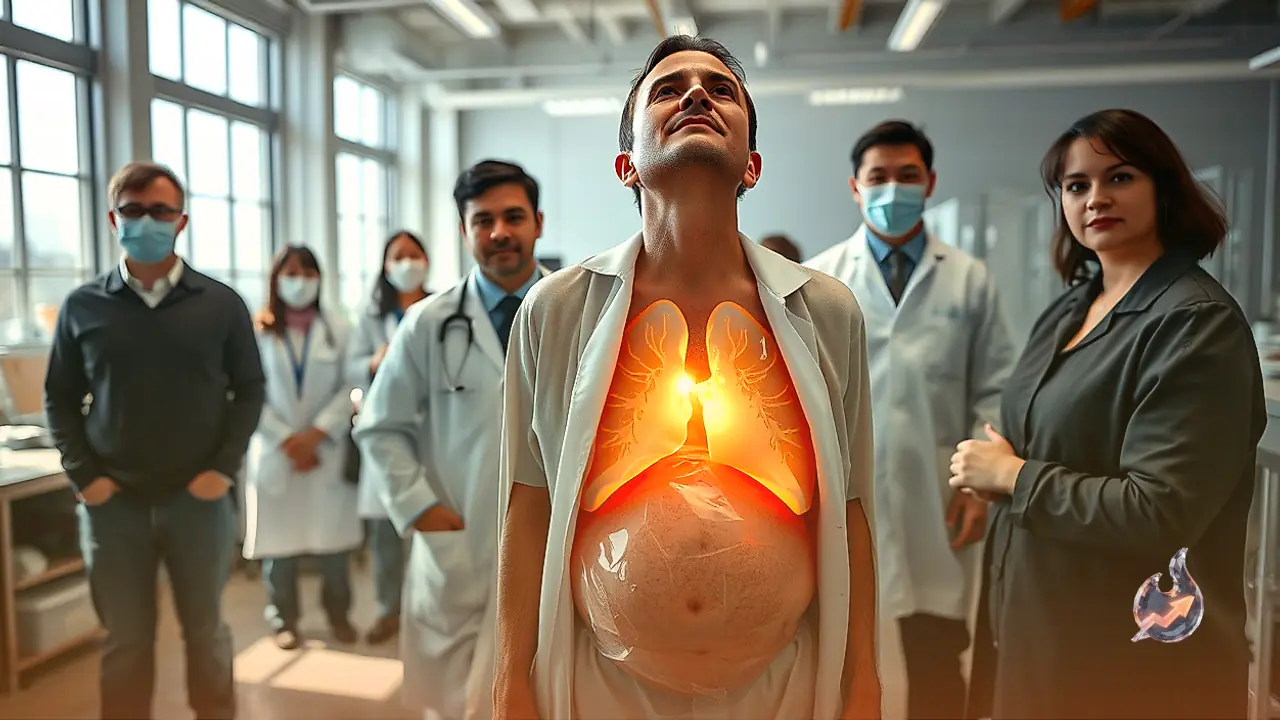

People striving to shed excess body weight frequently rely on clean eating, structured workouts, and regular walking routines. As the body trims down over time, stored fat reserves gradually begin to shrink. However, many individuals wonder where all that melted fat actually goes once it disappears from the waistline. While a popular myth suggests that fat melts directly away as sweat, biological research presents a much more surprising explanation.
Lungs Act as the Primary Exit Route for Burned Fat
Two researchers from the University of Birmingham examined this physiological transformation in an article published in The Conversation. They highlighted that during weight loss, the vast majority of broken-down fat leaves the body through exhaled breath in the form of carbon dioxide. This reality positions the lungs as a central player in the fat elimination journey. Nevertheless, this biological fact does not imply that simply panting or breathing heavily will trigger fat loss on its own. For the process to begin, the body must first expend substantially more energy than it consumes from food.
How the Body Stores Excess Fat
Storing fat is a fundamental survival function of human biology. Whenever meals are digested, the digestive system breaks down dietary fats into usable fatty acids. The body utilizes these compounds to construct cell membranes, support vital hormonal signaling, and cushion internal organs from mechanical trauma. When dietary caloric intake exceeds immediate metabolic demands, the surplus energy is repackaged into chemical compounds known as triglycerides and tucked away inside adipose cells.
Fat accumulation inside the human body primarily concentrates across two distinct anatomical zones. The first layer sits directly underneath the skin and is medically classified as subcutaneous fat. The second layer gathers much deeper inside the abdominal cavity, wrapping closely around vital organs, which health professionals classify as visceral fat. Visceral fat is particularly scrutinized because of its association with increased metabolic risks.
The Metabolic Cascade of Breaking Down Stored Energy
When daily physical expenditure surpasses incoming caloric energy, the body enters a state of negative energy balance. To compensate for this shortfall, metabolic machinery taps into stored fat reserves. Hormonal messengers and neural signals prompt adipose tissues to dismantle stored triglycerides into free fatty acids. This enzymatic breakdown stage is formally termed lipolysis.
Once liberated, these fatty acids travel through the bloodstream and enter the mitochondria of active cells. Inside these cellular powerhouses, a metabolic pathway known as beta-oxidation takes place to convert fatty acids into usable adenosine triphosphate energy. The natural metabolic byproducts generated during this oxidation cycle are carbon dioxide and water molecules.
The Specific Exit Pathways of Metabolized Fat
Quantitative estimations published by researchers reveal that approximately 84 percent of metabolized fat mass is converted into carbon dioxide. This gas enters the bloodstream, moves to the pulmonary alveoli, and is breathed out into the air during regular respiration. The remaining 16 percent of metabolized fat turns into water, which departs the system through urination, sweating, and other bodily fluids. These calculations clearly disprove the widespread misconception that excessive perspiration equates to massive fat loss. The lungs serve as the primary route for releasing metabolized fat waste.
Does Rapid Breathing Accelerate Fat Loss
Realizing that fat exits primarily through the lungs leads some people to assume that rapid or deliberate hyperventilation might speed up weight reduction. Specialists point out that deliberately breathing fast does nothing to oxidize fat cells on its own. The biochemical conversion of fat requires a genuine biological energy demand, which only occurs when calorie intake remains lower than caloric expenditure. Relying on a nutritious, balanced diet combined with consistent physical training remains the only medically sound foundation for lasting weight control.