

















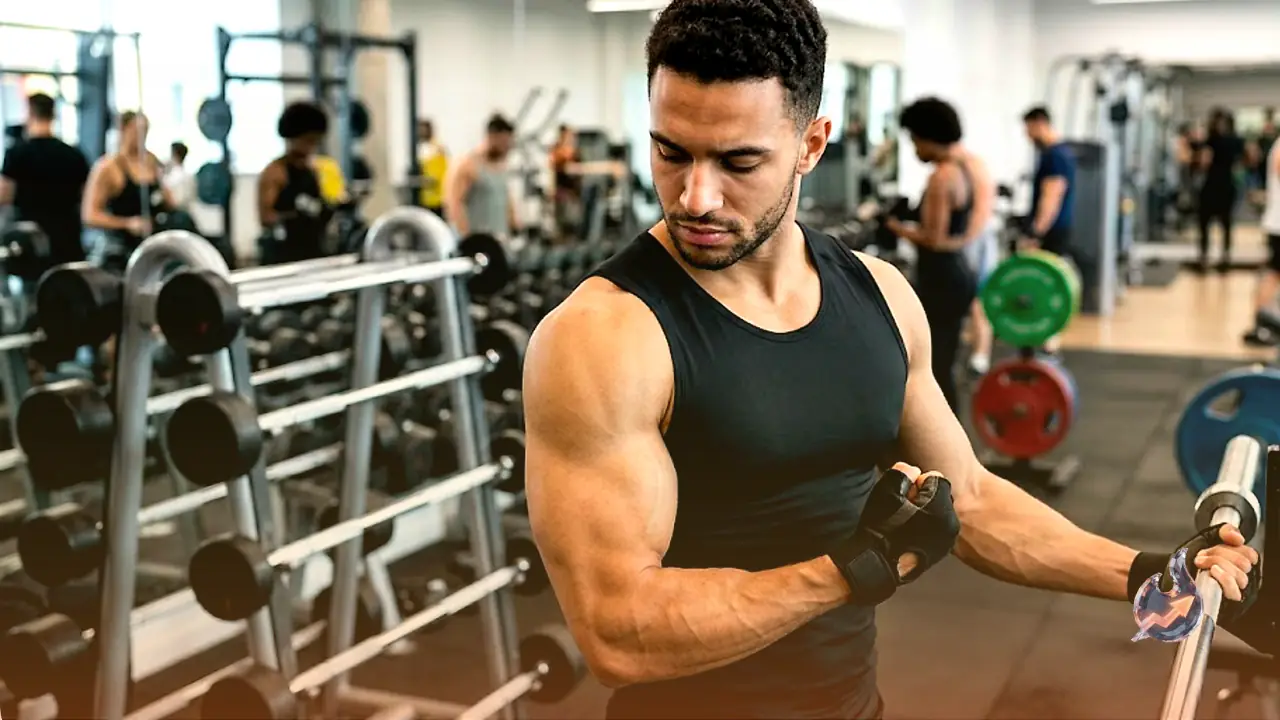

A common frustration among gym-goers is the visible gap between well-developed biceps and stubbornly thin forearms. Hours of arm training produce impressive upper-arm size, yet the forearms below remain lean and underdeveloped. This is not a random quirk. Building forearm mass is genuinely harder than building biceps, and it comes down to how these muscles are structured and used differently from one another.
Why Forearms Are So Difficult to Grow
Fitness experts point out that the forearm muscles are among the most consistently active in the entire body. Lifting a bag, holding a phone, typing on a keyboard, or simply turning a doorknob all engage the forearms continuously throughout the day. Because these muscles handle so much daily activity, they become highly adapted to ordinary loads and resist growth from standard exercises. Pushing them past their comfort zone requires targeted, deliberate training that goes beyond what most arm routines provide.
There is also an anatomical reason: the forearms contain a dense cluster of many small, specialized muscles. Engaging all of them together through compound movements is difficult, which is why bicep curls build the upper arm effectively while forearm development lags behind.
Bicep Training Alone Will Not Solve the Problem
Most gym routines are built around bicep curls, hammer curls, and pull-ups. These movements are excellent for upper-arm width and thickness, but their direct effect on forearm size is limited. Anyone who wants fuller, proportional forearms needs to add dedicated forearm-specific exercises to their training program, rather than relying only on the incidental forearm activation that comes from other arm work.
The Exercises That Actually Build Forearms
These five movements target the forearm muscles directly and produce measurable results when practiced consistently:
- Wrist Curl: This exercise focuses on the flexor muscles of the forearm. Use a light dumbbell or barbell and perform 3 sets of 12 to 15 reps.
- Reverse Wrist Curl: This works the extensor muscles on the upper side of the forearm and ensures balanced development across the full forearm rather than only one side.
- Farmer's Walk: Holding heavy dumbbells in both hands and walking a set distance builds grip strength while placing sustained load on the forearm muscles throughout the movement.
- Dead Hang: Hanging from a pull-up bar develops grip strength and creates consistent, deep tension through the forearm musculature.
- Hammer Curl: Unlike a standard bicep curl, the hammer curl engages both the biceps and the forearms at the same time, making it one of the most efficient choices for overall arm development.
Grip Strength Is a Critical Piece of the Puzzle
Increasing forearm size is not just about lifting heavier weights. Grip strength is an equally important factor. Grip trainers, the practice of repeatedly squeezing a tennis ball, and working with thick-handled dumbbells are all effective methods for building the hand and wrist strength that directly contributes to forearm size and definition.
Nutrition and Sleep Are Part of the Formula
Muscle growth does not happen during a workout. It happens afterward, during rest and recovery. Consuming adequate protein, carbohydrates, and healthy fats in proportion to body weight gives the muscles the raw material they need to grow. Prioritizing sufficient sleep is equally non-negotiable, since muscle repair and growth depend on recovery time outside the gym.
Expect Results After 2 to 3 Months of Consistent Work
Forearm development is a slow process, and visible changes typically only become apparent after 2 to 3 months of regular, focused training. Chasing shortcuts or expecting faster results leads to frustration and inconsistency. The more productive approach is to commit to correct technique, follow a balanced diet, and train steadily over time. If the biceps already look strong while forearms remain thin, the solution is not more bicep work but rather a dedicated forearm training routine paired with proper nutrition and genuine patience.