























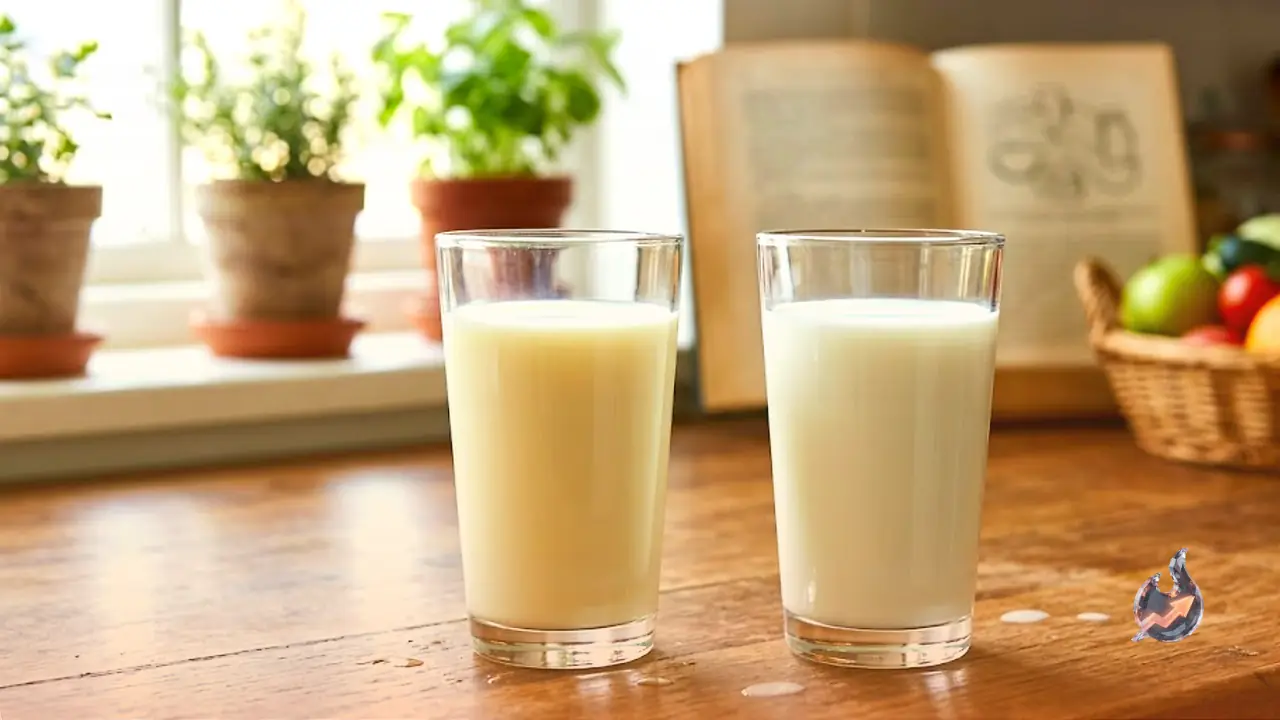

In Sagar, milk is an essential commodity in every household. In earlier times, most families kept cows or buffaloes to ensure a supply of fresh dairy products like curd, ghee, and butter. However, as the world becomes more modern, keeping livestock at home has become less common. Today, most households rely on packaged milk, making it difficult to determine whether the contents are from a cow, a buffalo, or another source. This is especially challenging when families specifically need cow milk for children's nutrition or religious rituals, yet struggle to identify it correctly.
How to Identify Milk Types
Distinguishing between cow and buffalo milk is not a complex task. When you bring milk home and boil it, simply observe its color. If the milk shows a yellowish tint upon heating, it is certainly milk from a local cow. Conversely, if the milk remains stark white even after boiling, it is buffalo milk. This yellowish hue and a distinct taste are also evident in dairy products derived from cow milk, setting them apart from buffalo milk alternatives.
Nutritional Value of Cow Milk
The practice of consuming milk from indigenous cows has been a part of tradition since the Sanatan era. This type of milk is rich in essential nutrients. It contains high levels of Vitamin A, which is highly beneficial for maintaining good eyesight and improving memory. According to health experts, for newborn babies and young children, cow milk is considered nothing less than nectar.
Expert Perspective
Dr. Rakesh Gautam, manager of the only Gokul Gram in Madhya Pradesh, offers deeper insights into the properties of cow milk. Citing the Tharparkar cow breed as an example, he explains that the presence of beta-carotene and Vitamin A precursors is responsible for the characteristic yellow color of the milk. Dr. Rakesh Gautam notes that this feature is exclusive to cow-breed cattle, a trait not found in buffalo milk. Furthermore, this milk is effective in maintaining the mucus membrane and is highly nutritious as well as palatable. For these reasons, experts suggest that cow milk should be a preferred choice for the dietary needs of both children and adults.