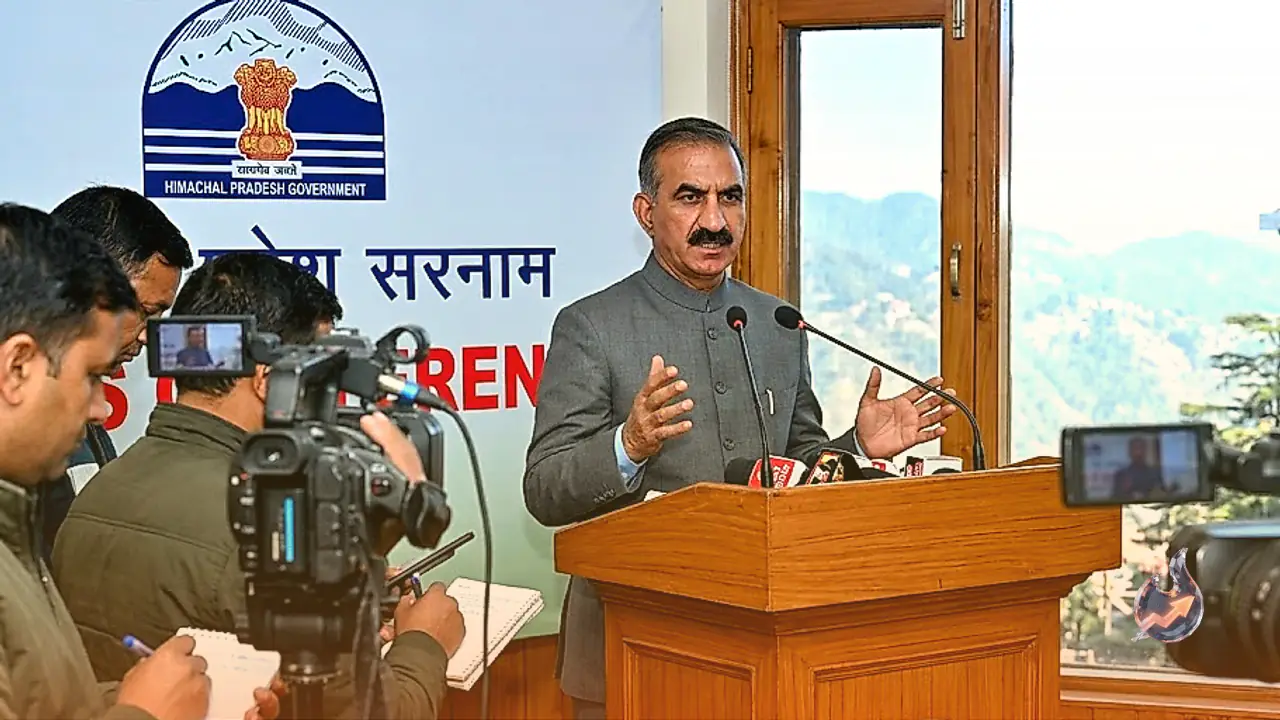
























The Himachal Pradesh government has instituted a comprehensive state-wide ban on the sale, manufacture, storage, and distribution of non-dairy analogue paneer. Official orders issued on Thursday strictly prohibit any commercial operations involving synthetic paneer substitutes that fail to comply with established food safety standards. Authorities stepped in following reports that artificial paneer was being widely circulated in local markets under the guise of genuine dairy products, posing potential health risks to consumers and violating consumer trust.
Strict Enforcement Under Food Safety Legislation
According to the notification released by the Food Safety Commissioner, this regulatory enforcement has been executed under the provisions of the Food Safety and Standards Act, 2006. Under these legal guidelines, paneer is classified strictly as a standardized dairy product. Consequently, any item offered or marketed to the public as paneer must rigorously satisfy predefined safety and nutritional metrics. Under the new directive, no individual or food business operator (FBO) within Himachal Pradesh is permitted to manufacture, process, pack, store, transport, distribute, or sell non-dairy analogue paneer.
Understanding Analogue Paneer and Its Nutritional Differences
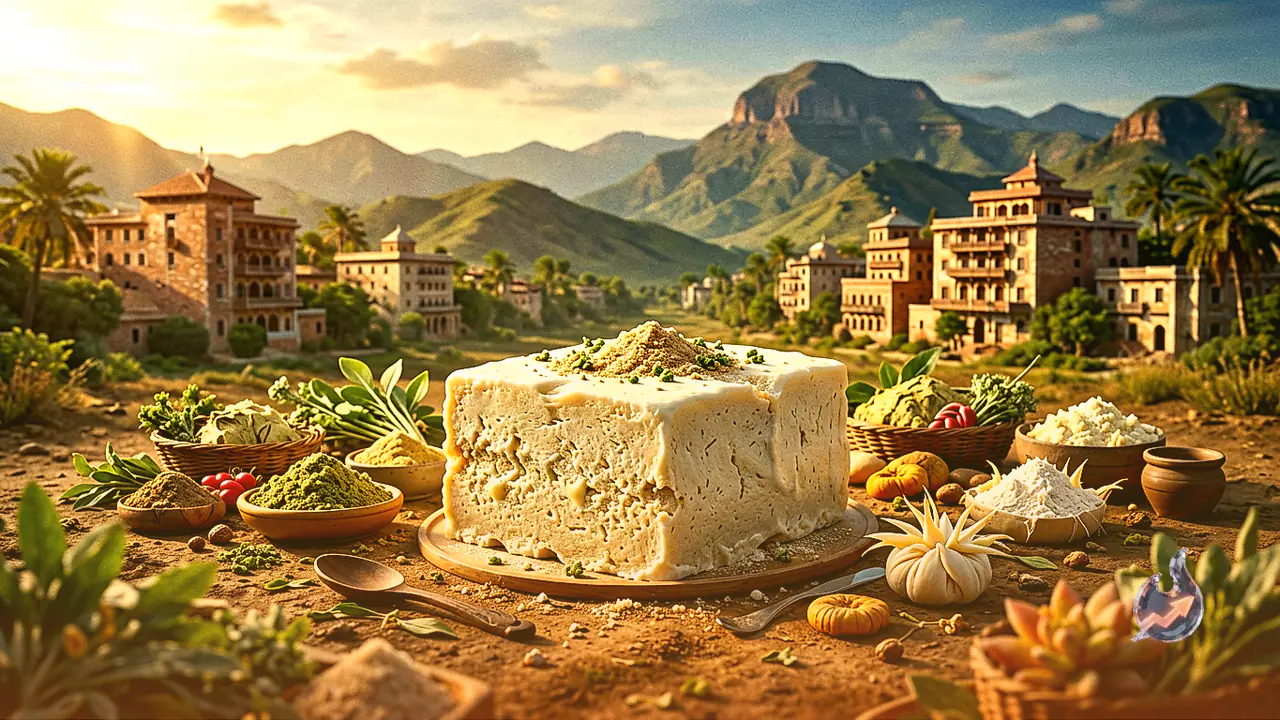
Traditional paneer is manufactured directly from milk and serves as a vital primary protein source for vegetarian consumers. In contrast, analogue paneer is fabricated by combining vegetable oils or vegetable fats with emulsifiers and chemical processing agents. In this synthetic alternative, milk fat and natural milk solids are either partially or completely replaced with lower-grade plant-derived fats. While analogue paneer visually mimics authentic dairy cottage cheese, it lacks the essential vitamins, minerals, and proteins inherent to real dairy. The government directive explicitly prohibits describing, advertising, displaying, or selling products containing vegetable fats under the label of 'paneer'.
Simple Kitchen Tests to Identify Fake Paneer
To assist consumers in identifying substandard products, food safety guidelines highlight several practical testing methods. One reliable technique involves boiling a sample piece of paneer in water. Authentic dairy paneer remains soft, tender, and distinctly granular in texture when pressed or cut. Conversely, synthetic or analogue paneer exhibits elastic characteristics, stretching much like rubber when broken apart. Additionally, analogue paneer tends to feel unusually sticky and leaves an artificial coating on the palate during consumption.