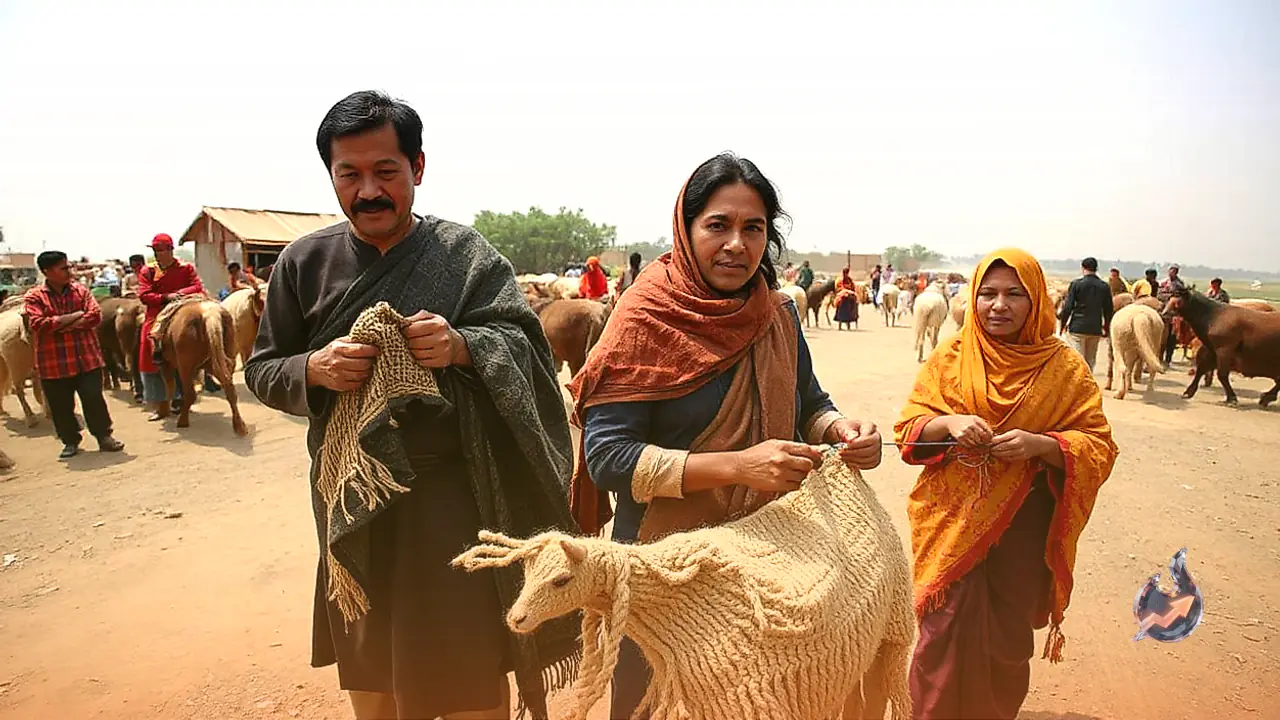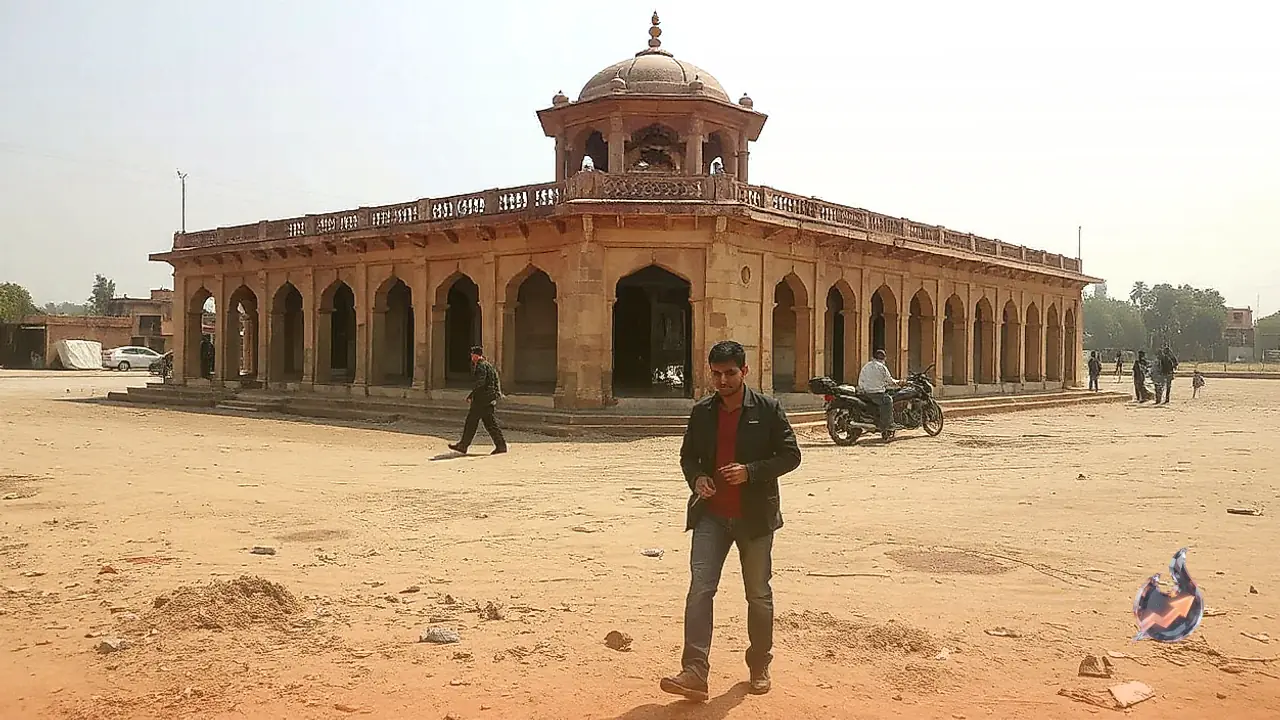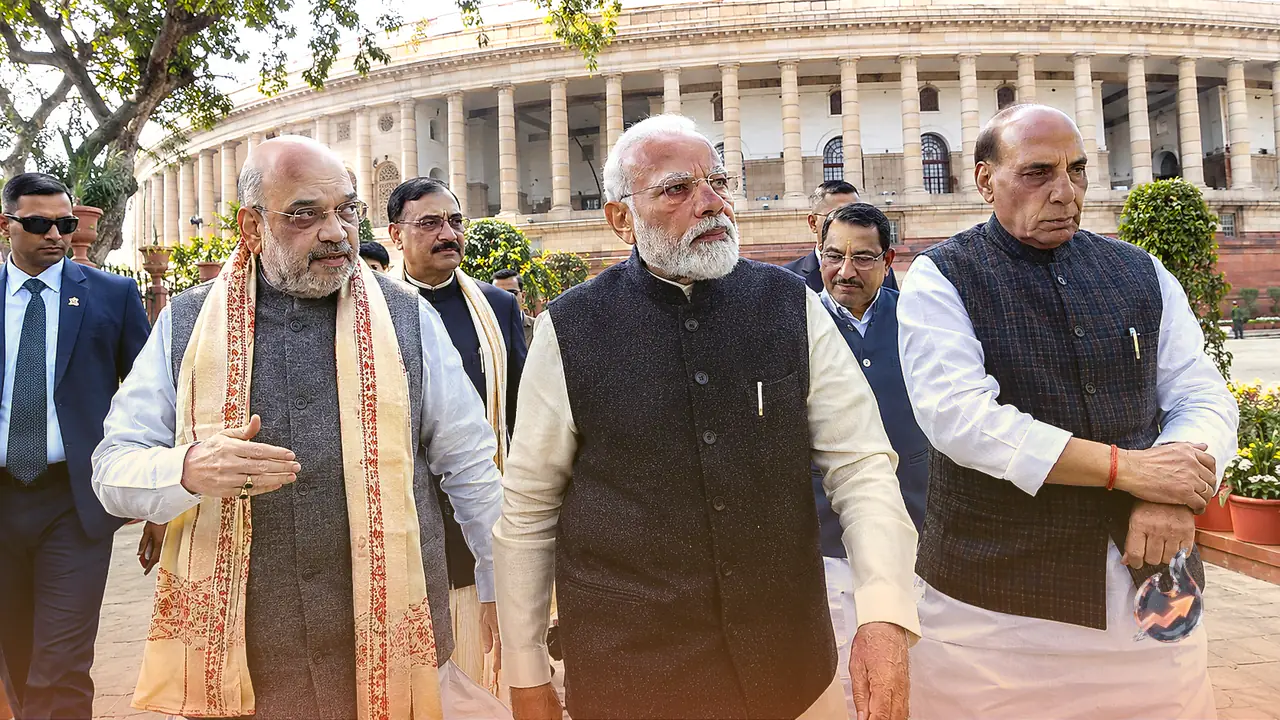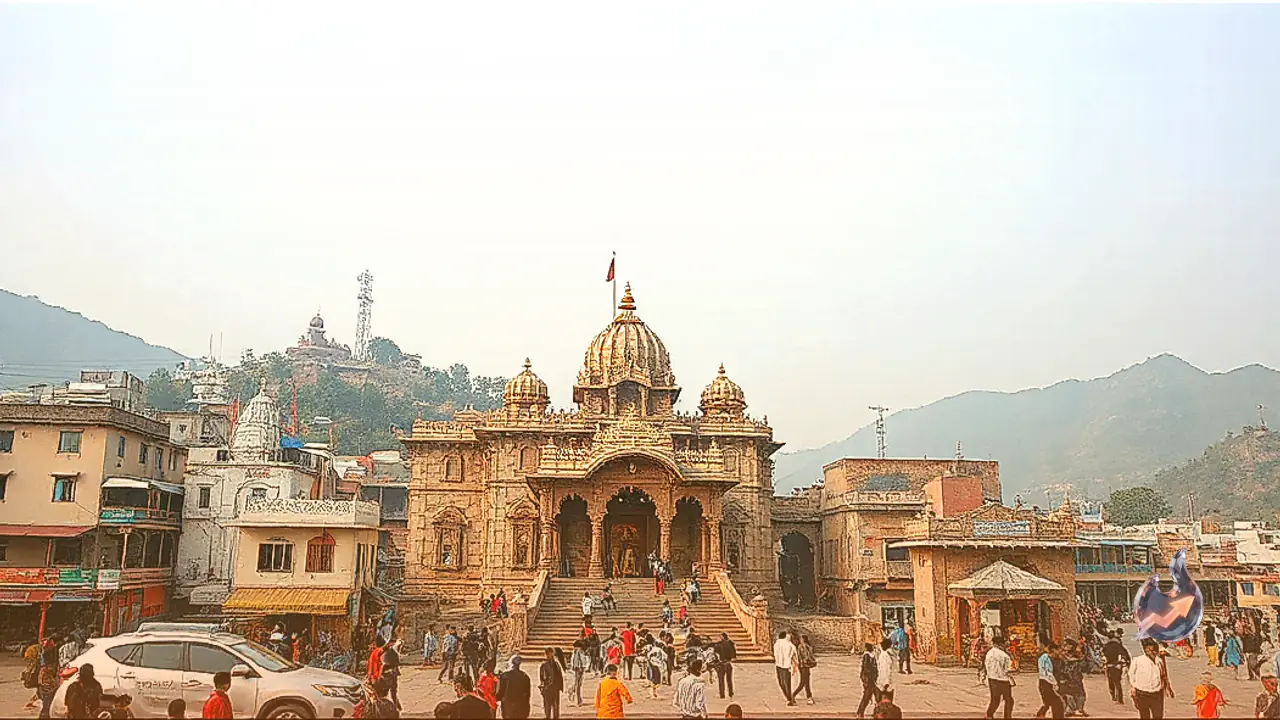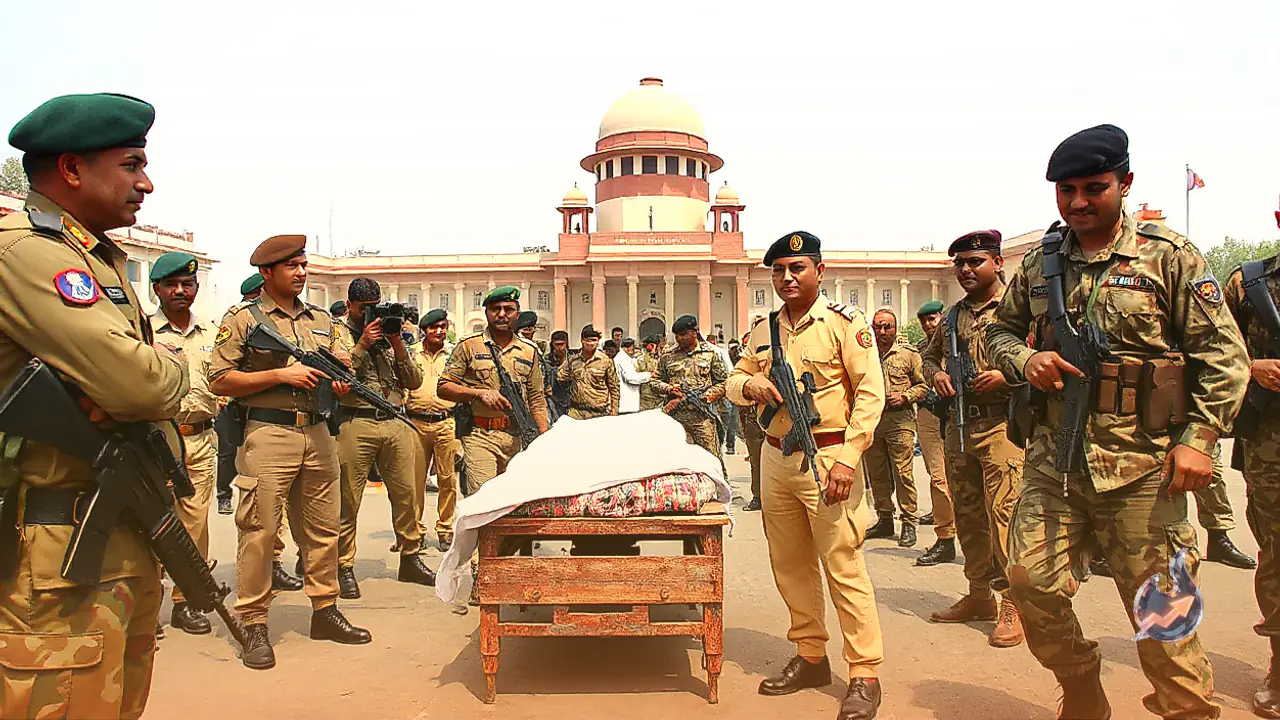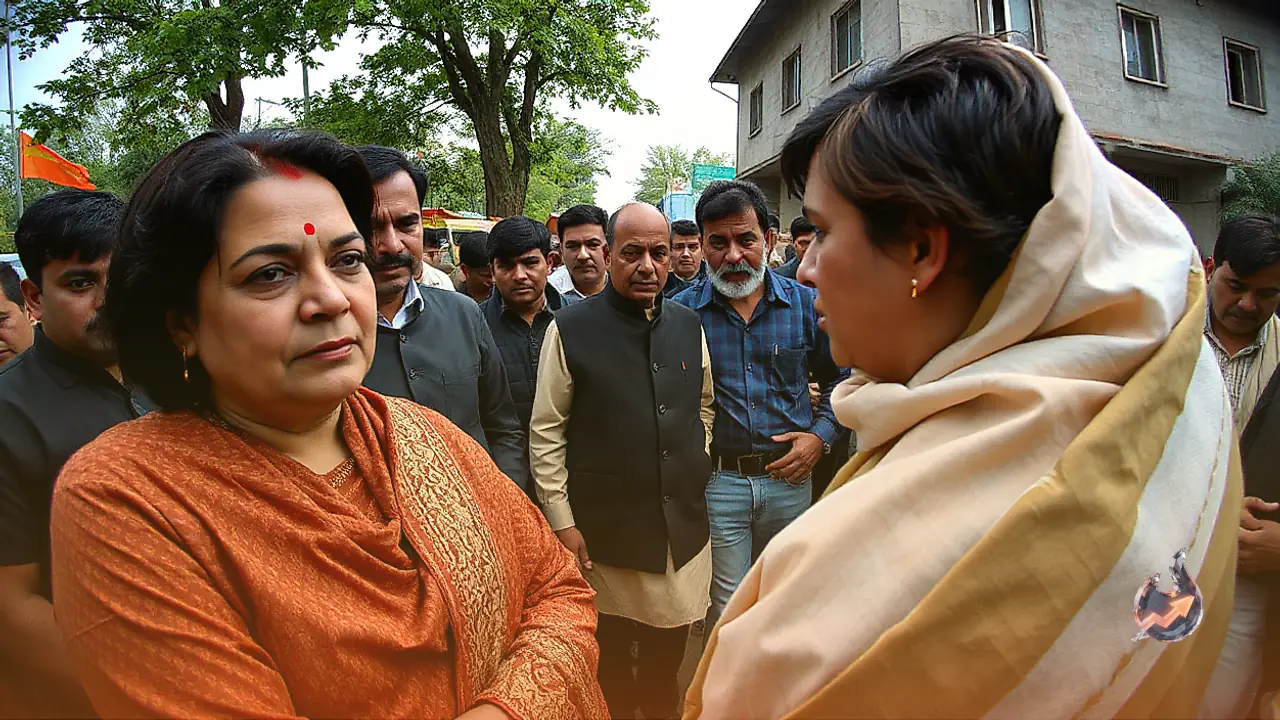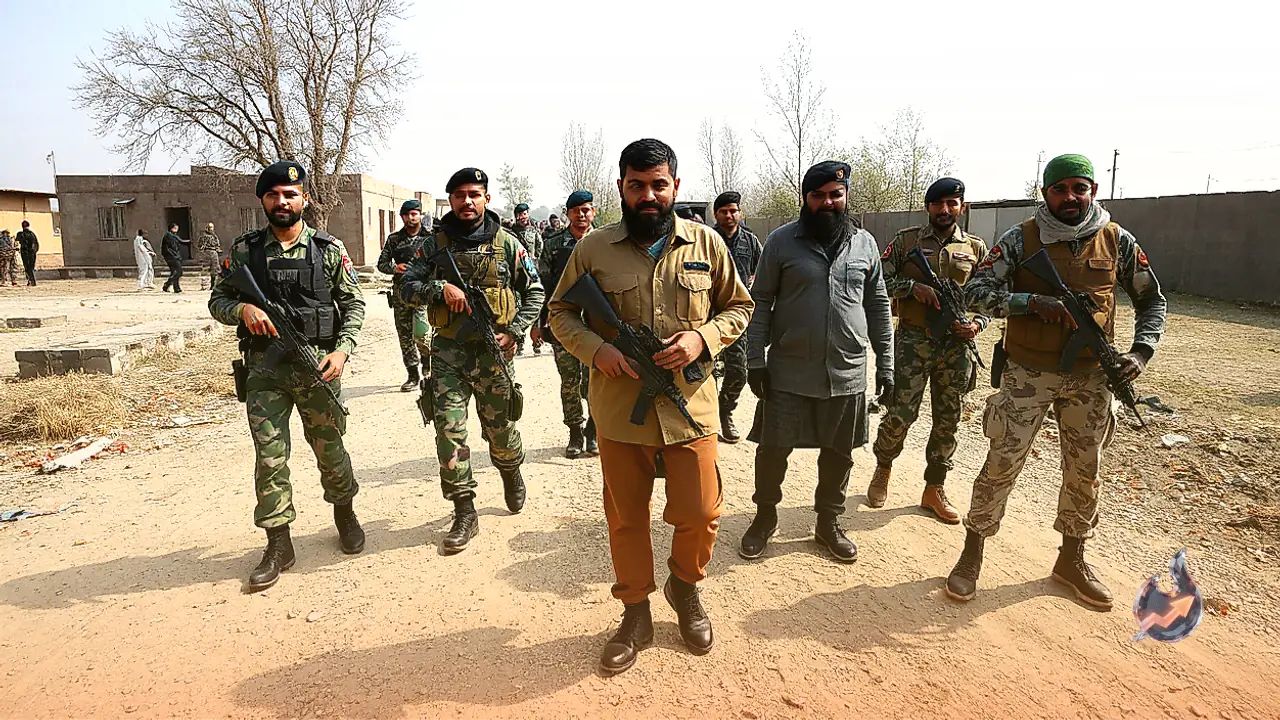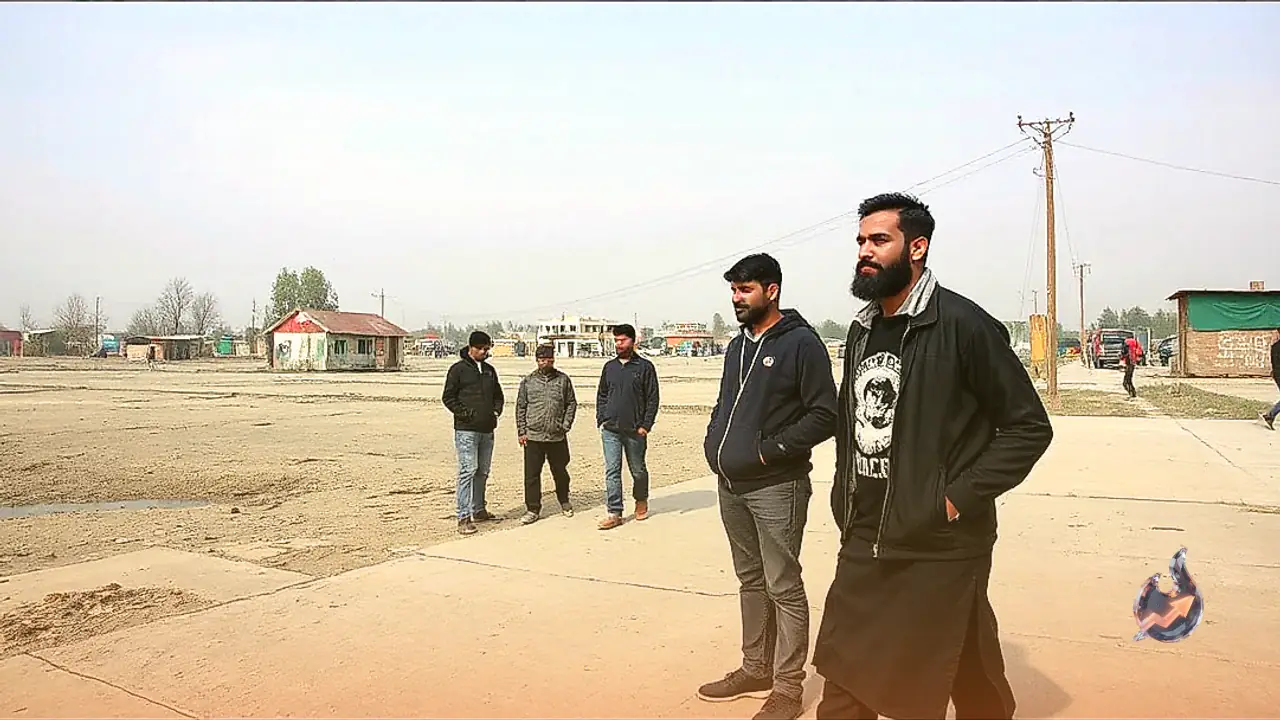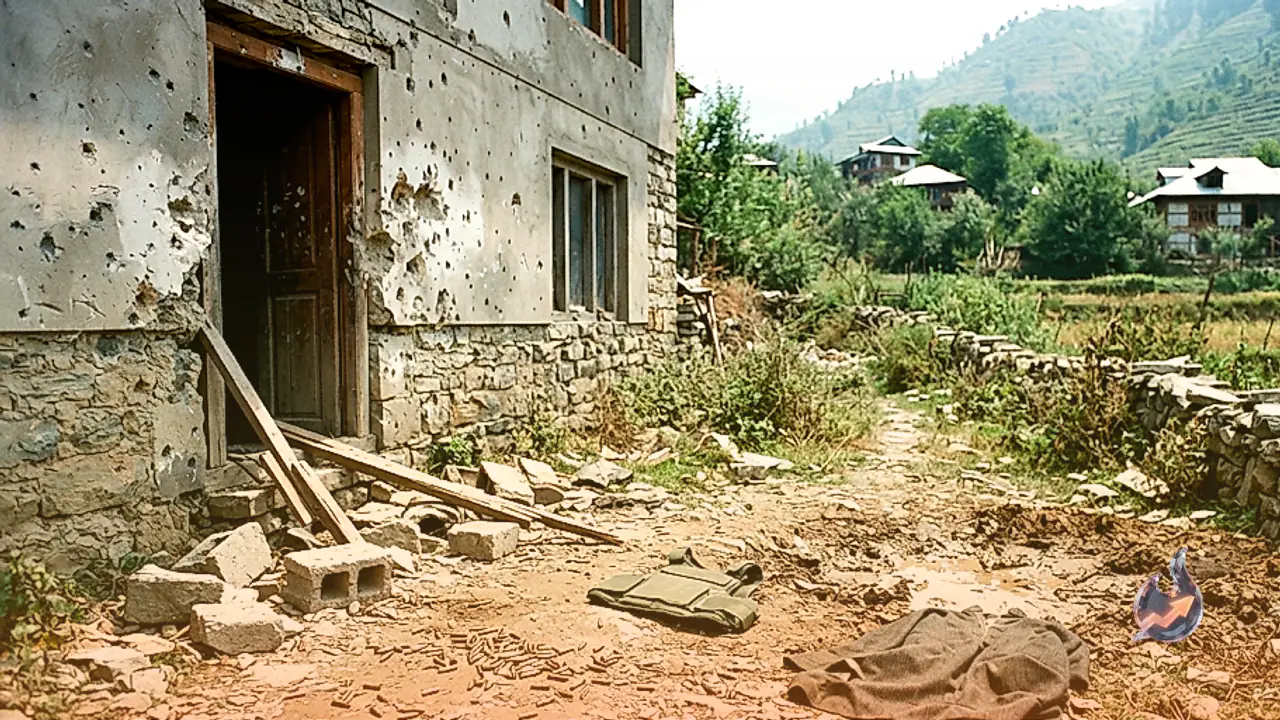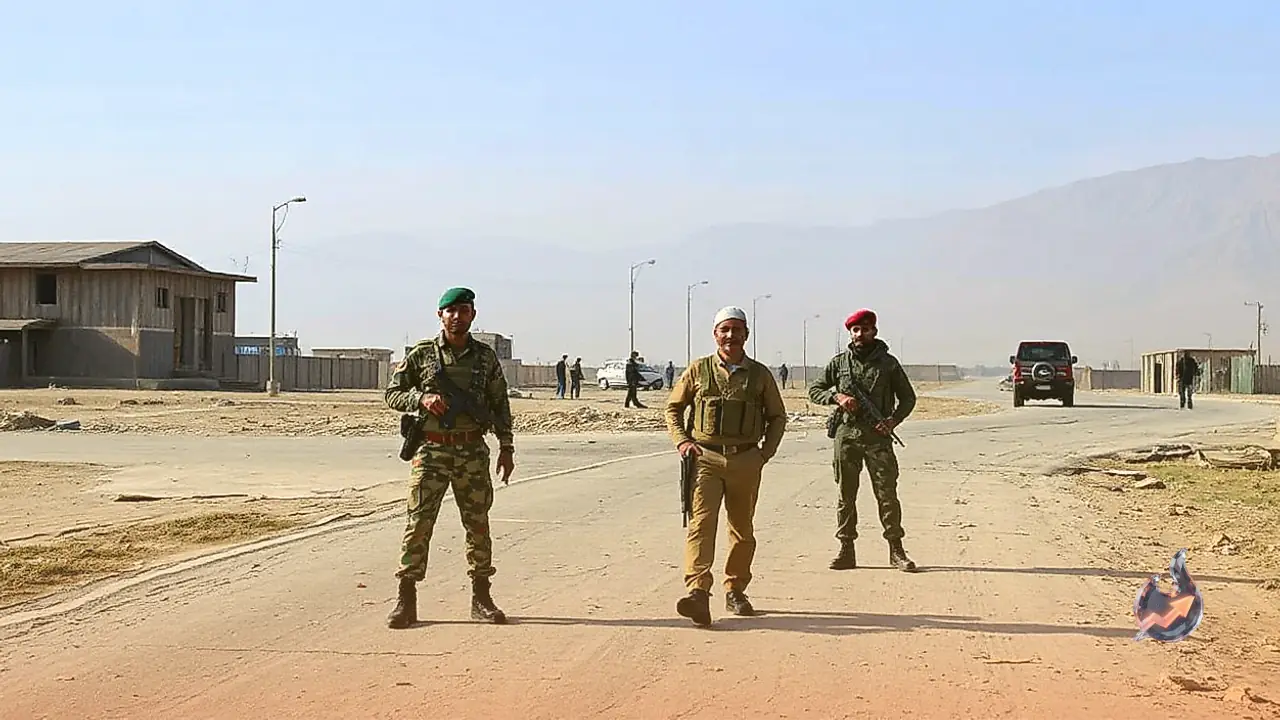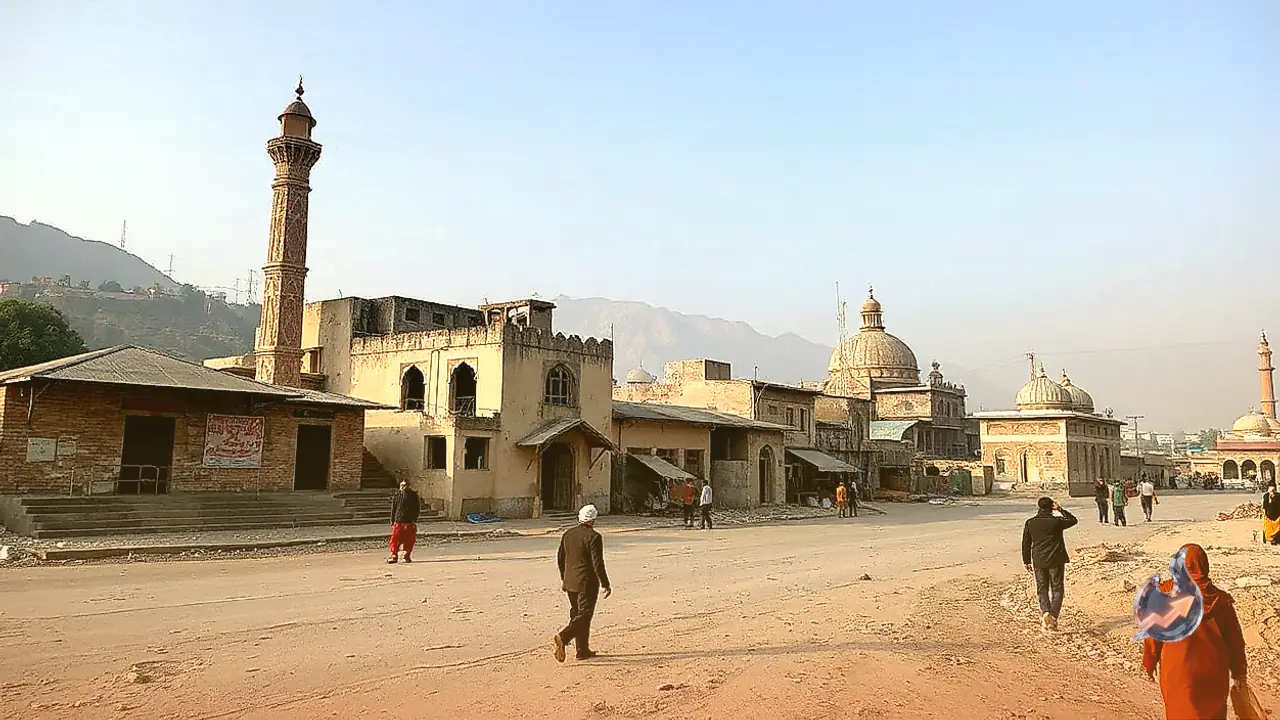

The Fateh Kadal locality in the older quarters of Srinagar, once viewed as a hub of turmoil, has transformed into a living symbol of Hindu-Muslim harmony. After a span of 36 years, the doors of the 700-year-old Sri Durgeshwari Temple have been officially reopened for worship. A special ritual and a holy fire ceremony were organized to mark the occasion, drawing participation from temple priests, security personnel, and a large number of local Kashmiri Muslims. The successful restoration and reopening of one of Srinagar's oldest sacred sites has brought immense joy to the residents, who see it as the return of a lost cultural landmark.
Restoring a Lost Heritage
In earlier times, the temple sanctuary housed large idols of Goddess Durga and Lord Ganesh, alongside an ancient Shiva lingam that remains safely preserved on the premises. Following the onset of conflict in the 1990s, the Kashmiri Pandit community was forced to flee the area, leaving the shrine deserted and vulnerable to decay. After lying abandoned for over three decades, the temple has been restored entirely through the collective efforts of the Kashmiri Pandit community without any government funding. This grassroots initiative has breathed new life into the neglected site, bringing smiles back to the faces of both displaced families and local residents.
Community Protection and Support
Local residents recalled that attempts were made to set fire to the temple during the troubled 1990s, but neighbors stepped in to prevent its destruction. Before the displacement, the sound of the morning call to prayer from nearby mosques would blend harmoniously with the ringing of temple bells and the blowing of conch shells. Even during the difficult years that followed, local Muslim families and mosque committees took care to protect the structure. When the time came for repairs, residents contributed small financial sums, helped with cleaning, and provided manual labor to restore the ancient religious site to its former glory.
Key Figures Lead the Revival
Shashi Tikoo, who spearheaded the restoration initiative, expressed immense gratitude that a long-cherished dream had finally materialized with the blessings of Goddess Durga. He noted that the success of this endeavor should inspire similar community-led efforts to preserve historic temples and heritage sites across the Kashmir valley. Srinagar Deputy Commissioner Akshay Labru was also present during the reopening ceremony. He stated that the administration remains fully committed to restoring the dignity and splendor of all historic religious sites, temples, gurudwaras, and churches throughout the district to ensure a seamless experience for pilgrims and visitors.
A Shared Past of Education and Culture
Before the disruptions of the 1990s, Fateh Kadal was characterized by a deeply integrated social fabric where Hindu and Muslim families lived side by side without distinction. Children attended local schools together, and communities celebrated every festival collectively. The temple complex once housed a primary institution known as Durga Pathshala, where thousands of Hindu and Muslim children studied side by side in what was considered one of the finest schools in the region. The deterioration of that school alongside the shrine stands as a reminder of the displacement, making the current revival all the more poignant for the community.
The Return of Real Kashmiriyat
Residents of Bana Mohalla and Fateh Kadal warmly welcomed the reopening of the Durgeshwari Temple, describing it as a true resurgence of Kashmiriyat and expressing a desire for their former neighbors to return permanently. The restoration project, which began under the oversight of Shashi Tikoo, evolved into a broad cooperative effort involving cleaning, structural repairs, and monetary contributions from ordinary citizens. For the displaced families, the temple holds profound emotional and spiritual significance, serving as an unbreakable link to their ancestral roots, traditions, and collective memories.