





















The State Investigating Agency in Jammu and Kashmir has reignited efforts to unravel long-pending targeted killings from the peak of militancy in the valley by reviving the probe into the 1998 Wandhama massacre, an atrocity that left 23 Kashmiri Pandits dead.
Raids and New Leads in the Probe
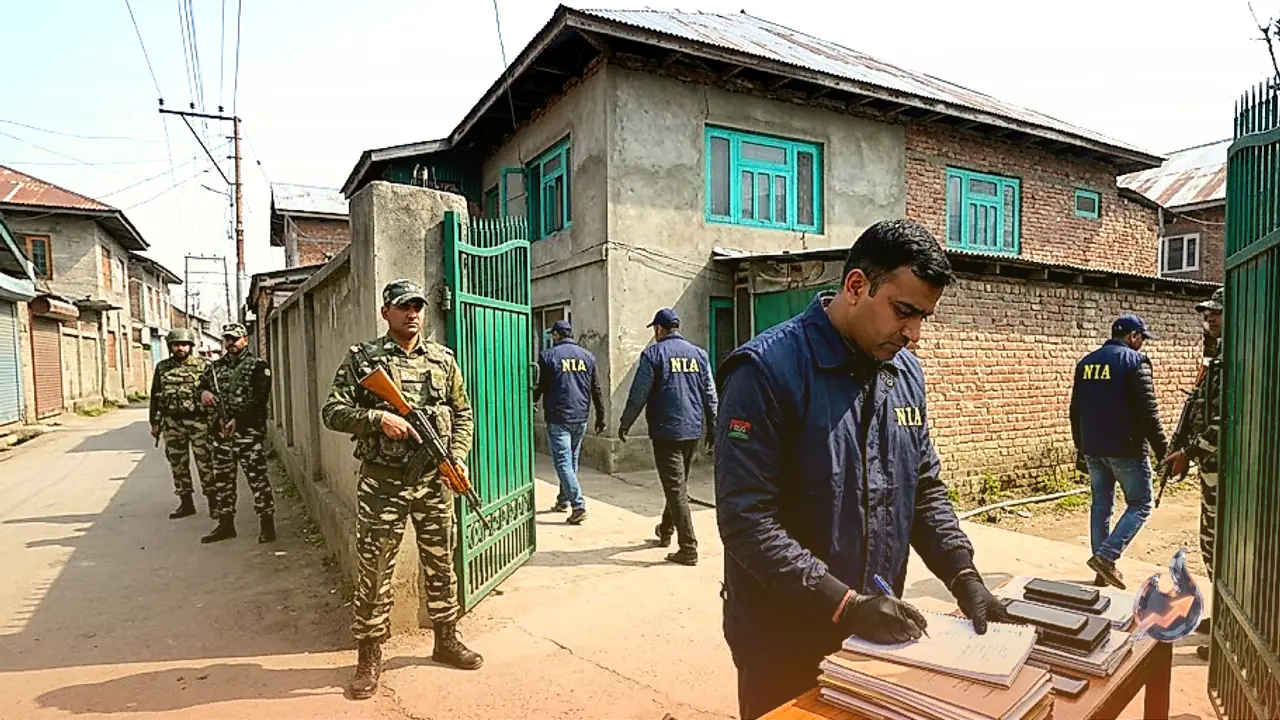
Acting on intelligence inputs, the agency recently conducted multiple raids across the Kashmir Valley in connection with the massacre. Investigators are currently working to identify the terrorists and over-ground workers involved, map out their specific roles, and pursue fresh leads that remained dormant for decades.
The Horror of the Wandhama Night
The tragedy unfolded on the night of January 25, 1998, coinciding with the eve of Republic Day and Shab-e-Qadr during the holy month of Ramadan. Heavily armed militants breached the homes of the remaining Kashmiri Pandit families in the Ganderbal district village of Wandhama. They shot dead 23 people, including nine women and four children.
The assault wiped out almost the entire population of non-migrant Pandits in the village, leaving behind only a single teenage survivor. Despite an FIR being registered at the Ganderbal police station, the case remained unresolved for nearly three decades.
Parallel Inquiries into High-Profile Killings
Alongside the Wandhama reopening, the agency has intensified investigations into two other high-profile assassinations of Kashmiri Pandits from the early days of insurgency. The first dates back to September 13, 1989, when Tikka Lal Taploo, a prominent lawyer and then-vice president of the BJP in Jammu and Kashmir, was shot near his Srinagar home, marking one of the earliest targeted hits against the community.
The second incident occurred on November 4, 1989, involving the assassination of retired judge Justice Neelkanth Ganjo, who had previously sentenced JKLF founder Maqbool Bhat to death. Justice Ganjo was shot dead by suspected militants on Hari Singh Street in Srinagar.
Chargesheets Filed in Sarla Bhat and Koul Cases
These renewed actions follow significant breakthroughs in older cases. In June, the agency filed a detailed 737-page chargesheet in the 1990 abduction, torture, and murder case of Kashmiri Pandit nurse Sarla Bhat, naming incarcerated JKLF chief Yasin Malik and others as accused. In August, searches were conducted at nine locations across the union territory regarding the 1990 double murder of writer and social worker Sarwanand Kaul Premi and his son Virender Kaul.
Officials note that these reopened investigations have yielded major breakthroughs in identifying perpetrators and facilitators, even though several suspects have died or remain at large.
Administration Pledges Justice
This renewed focus on unresolved terror cases aligns with Lieutenant Governor Manoj Sinha repeated assurances that every victim family of terrorism will receive justice. Sinha has consistently emphasized that the prolonged wait for accountability and rehabilitation is ending, reiterating the administration commitment to supporting eligible families and holding wrongdoers accountable.
The administration has implemented substantial measures, including providing government jobs to family members of victims, registering FIRs where none existed previously, restoring illegally occupied properties, and dismantling the terror ecosystem that once silenced victims. Investigators continue to analyze evidence, question individuals, and chase leads to bring culprits to justice.