















A sharp conflict has broken out in the Union Territory of Ladakh regarding local liquor commerce and excise regulations. Commercial hospitality operators and retail alcohol merchants in Leh have openly challenged prominent climate campaigner Sonam Wangchuk, arguing that his activism on alcohol prohibition applies selective moral standards while directly threatening legitimate, tax-paying enterprises across the high-altitude region.
Trade Associations Call Out Contradictory Stances
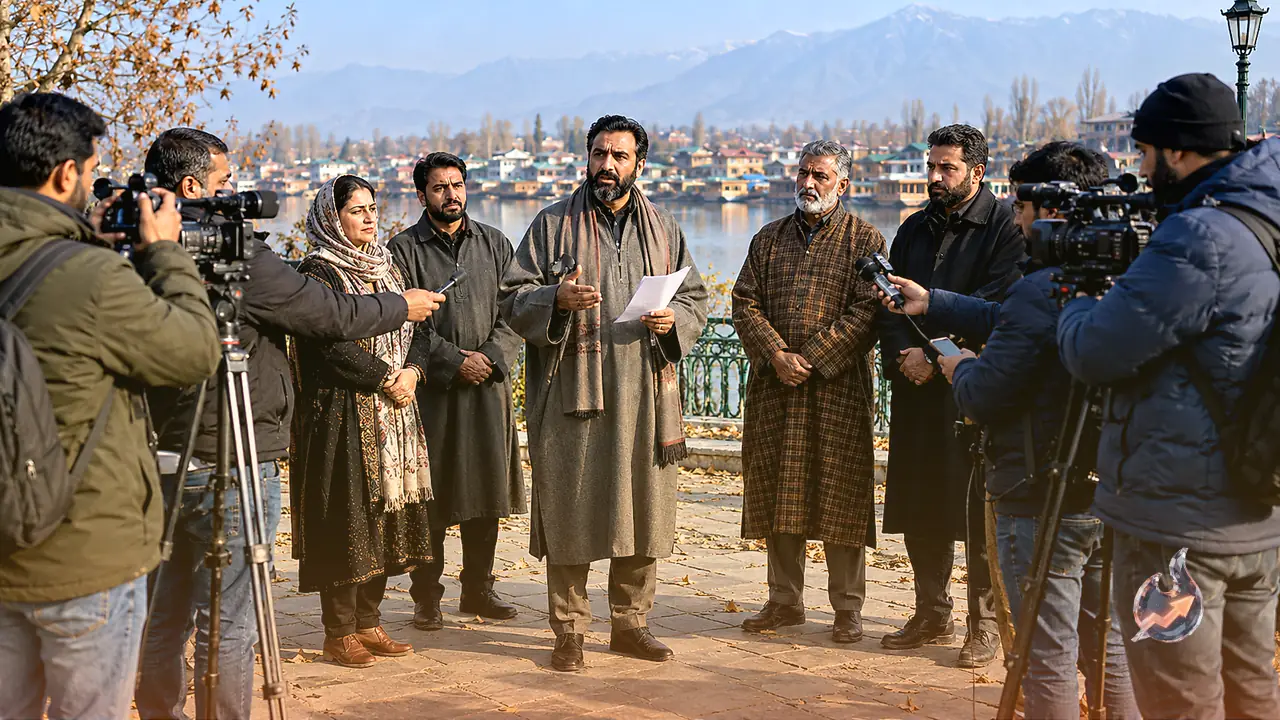
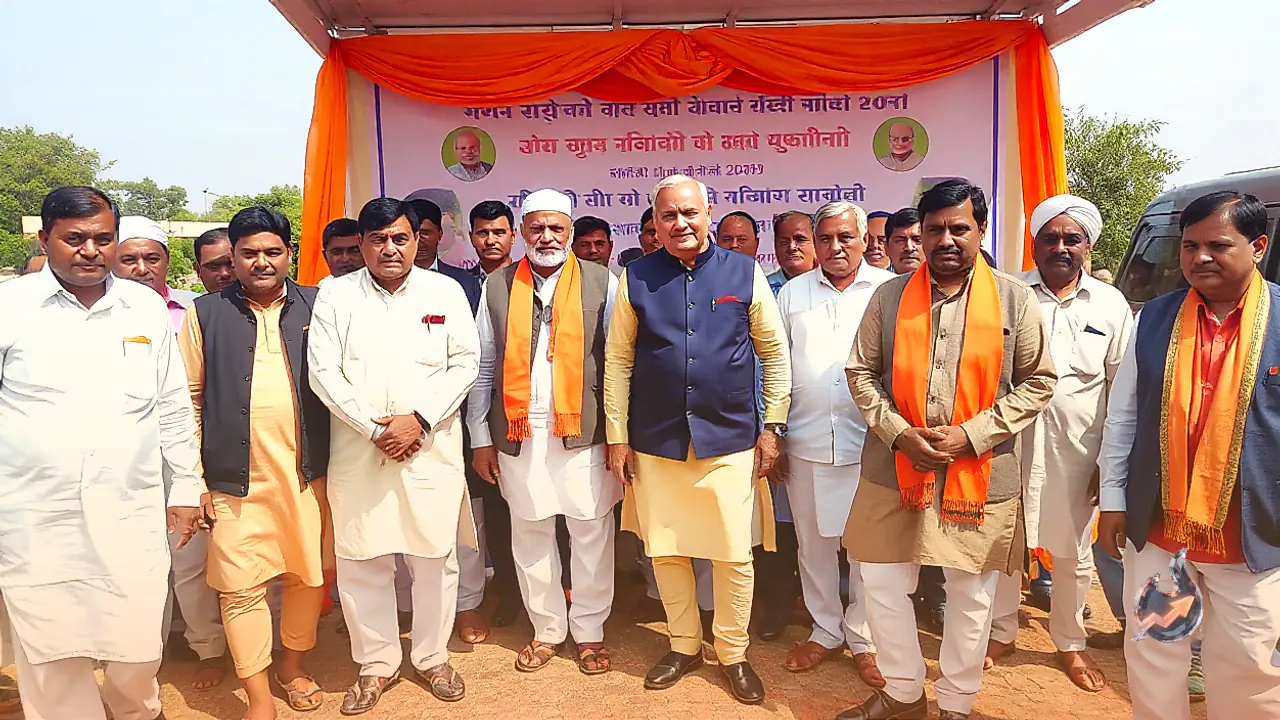
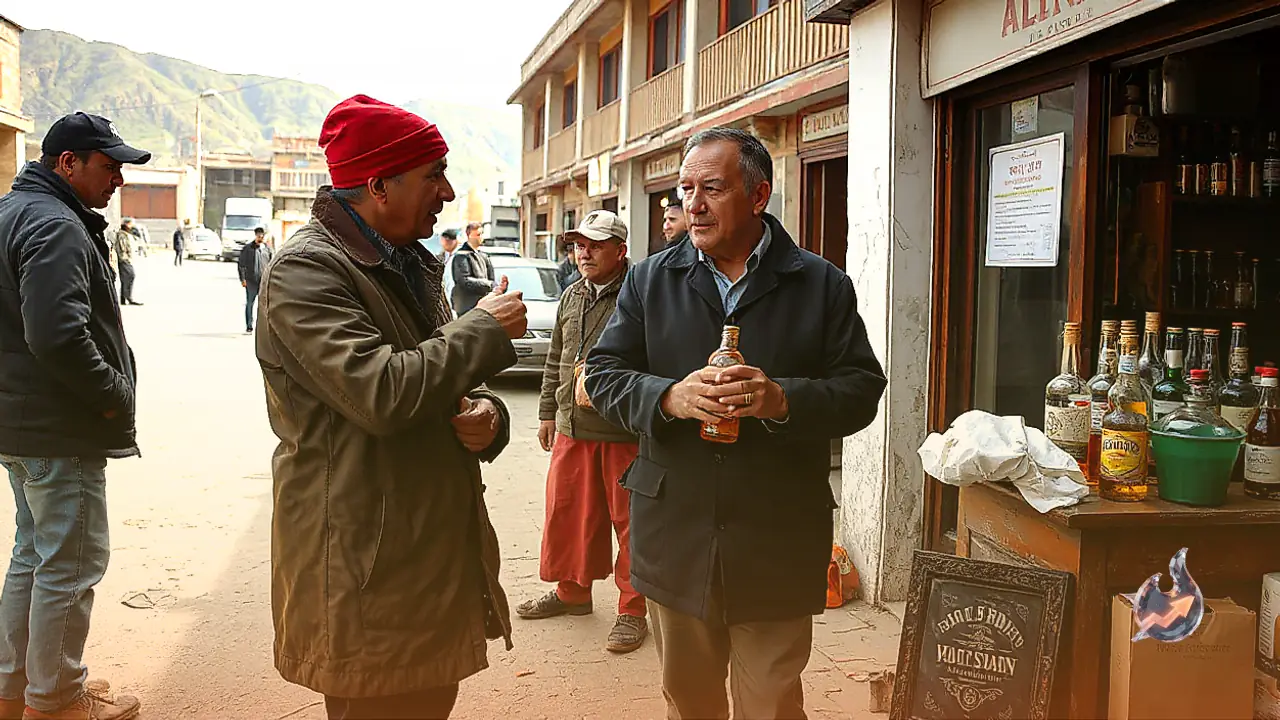
The controversy reached a boiling point on October 31, when the All Ladakh Hotels and Bars Association alongside the All Ladakh Liquor Traders Association convened a joint media briefing in Leh. The conference saw full attendance, with all 60 registered members present to voice collective frustration against what they characterized as targeted economic hostility disguised as social reform.
Association spokespersons pointed directly to Wangchuk's presence on October 28 at NDS Memorial Park in Leh, where women linked with regional faith-based groups had organized a multi-day sit-in demanding a complete ban on alcoholic beverages to create a dry Ladakh. The demonstration had entered its third or fourth continuous day when Wangchuk took a seat among the demonstrators. However, his remarks during the gathering sparked immediate outrage across the merchant community.
While demonstrating in favor of a dry territory, Wangchuk mounted an explicit defense of Chang, the indigenous Ladakhi beverage brewed from barley and grain. Describing it as a cornerstone of ancestral heritage, he characterized Chang as a healthier and superior alternative to factory-bottled liquor. Furthermore, Wangchuk urged authorities to assist local youths in establishing modern microbreweries with tax exemptions to brew traditional spirits, while simultaneously demanding punitive taxation on commercial liquor stores to price ordinary consumers out of the market.
The Uleytokpo Resort and Homemade Wine Allegations
Business owners rejected this line of reasoning, questioning why commercial alcohol is framed as destructive while artisanal alcohol is promoted as wholesome. In a pointed rebuttal, the merchants brought scrutiny to Wangchuk's own domestic backyard in the riverside settlement of Uleytokpo, located along the Indus River, which serves as the activist's ancestral birthplace.
The traders highlighted that Wangchuk's family owns and manages the Uley Ethnic Resort in the village. According to evidence presented by the association during their briefing, Wangchuk's brother produces and serves unmonitored alcohol branded as Uley Tokpo Apple Homemade Wine alongside other locally pressed fruit beverages. The union stated that these operations function without standard commercial licensing, evading the rigid excise protocols, periodic safety inspections, and mandatory fees imposed on regular vendors.
Association leaders openly questioned why commercial bar owners face constant scrutiny and moral prohibition campaigns when an unlicensed beverage venture linked to an outspoken activist's family operates without administrative interference. They formally called on the Union Territory administration to explain its inaction against the Uley brand and demanded equal regulatory accountability.
Revenue Contributions and Multi-Community Ownership
The assembled hotel and bar owners underscored the substantial financial role their establishments play within Ladakh's fragile economy. According to official association figures, legal liquor vendors and associated hospitality operations contribute between 112 crore and 115 crore rupees annually in excise and commercial taxes to the public treasury.
Merchants warned that Wangchuk is using populist prohibition rhetoric to generate public attention and political leverage at the expense of ordinary working citizens. They emphasized that the trade is fundamentally inclusive, operated by proprietors representing Muslim, Buddhist, Christian, and Hindu backgrounds across Ladakh. The associations rejected any attempt to pigeonhole the liquor business as an isolated cultural or sectarian practice.
The brief highlighted the immediate financial peril faced by newly registered businesses. Several license holders invested substantial sums of money running into lakhs of rupees to secure official permits, acquire compliant commercial real estate, and stock regulated inventory. In multiple instances, new ventures had been operational for less than thirty days, leaving entrepreneurs exposed to crippling debt if arbitrary curbs take effect.
Accusations of Selective Environmental Activism
Addressing Wangchuk's global standing as an environmental advocate, association members questioned the selective boundaries of his public campaigns. They argued that if the preservation of traditional values and ecological health is the genuine priority, then the discussion cannot remain restricted to licensed alcohol alone.
Speakers pointed out that narcotics, processed tobacco, and intensive commercial meat consumption are equally non-traditional in Ladakhi history, with the meat trade placing profound demands on ecological systems. Despite these parallels, merchants noted, the environmental activist has maintained total silence regarding the carbon and environmental consequences of the livestock and meat industries. The association stated that if the government decides to impose sweeping prohibitions on narcotics, cigarettes, and commercial meat, licensed traders would willingly accept a complete ban on liquor, but single-target moral policing would no longer be tolerated.
Excise Policy Background and Administrative Clarifications
The trade confrontation follows days of public sparring between Wangchuk and the local government. On October 22, during a press conference at Ladakh Bhawan in New Delhi, Wangchuk had accused the regional government of flooding the region with liquor outlets situated uncomfortably close to residential neighborhoods and educational campuses. He followed those statements with posts on X directed at Lieutenant Governor V.K. Saxena, alleging that the administration was answering drug abuse with an avalanche of liquor.
Ladakh administrative officials firmly rebuffed those claims, describing them as baseless misinformation deliberately circulated without factual backing. The administration clarified that across the entire Union Territory, exactly one standalone retail liquor outlet operates. Furthermore, following a meeting between community representatives and Lieutenant Governor Saxena, the proposed excise policy for the 2026-27 cycle had already been formally revoked back on August 26. With commercial establishments having demonstrated their tax compliance and economic vulnerability, the 60 members of the trade association issued a firm warning to Wangchuk to desist from jeopardizing lawful livelihood activities.