






















In Jharkhand's Palamu district, food processing is emerging as a practical route to enhance farm incomes and foster self-reliance across rural communities. The central government's Pradhan Mantri Formalisation of Micro food processing Enterprises scheme, widely known as PMFME, offers both financial backing and technical direction to support agricultural producers. Rather than offloading raw harvested mustard directly to local traders at baseline commodity rates, cultivators now have the opportunity to install oil extraction equipment locally. Processing the harvest into packaged mustard oil creates an end product that commands far higher market returns. Eligible processing units established under this initiative receive structured capital support and expert supervision in line with formal scheme guidelines.
Financial Assistance and Credit Linked Subsidy Norms
Arvind Kumar, the Block Entrepreneur Coordinator for Palamu district, outlined that the central programme is designed to help set up new micro-units or upgrade existing food manufacturing setups. The initiative covers a broad spectrum of processing activities, including oil expellers, flour mills, and various small-scale food product ventures. Under the established framework, qualifying individual micro food processing enterprises can secure a credit-linked capital subsidy set at 35 percent of the eligible project cost. Accessing this financial benefit requires submitting a formal application that adheres strictly to the prescribed criteria, followed by credit sanction from a lending bank. Capital assistance becomes operational once the financial institution verifies and approves the project plan.
Value Addition Over Raw Mustard Seed Sales
Arvind Kumar explained that shifting from raw harvest trading to oil production offers a noticeable boost to farm economics. Raw mustard typically trades at market prices ranging between 60 and 70 rupees per kilogram. Once processed into pure mustard oil through an expeller unit, the finished edible oil can fetch between 200 and 250 rupees per litre in the retail market. Converting the basic agricultural crop into a market-ready consumer item captures extra margins that otherwise go to middlemen and commercial processors. This form of post-harvest value addition provides producers with better insulation against crop price crashes while building a dependable commercial revenue stream within the village itself.
Modern Extraction Capacity and Quality Maintenance Standards
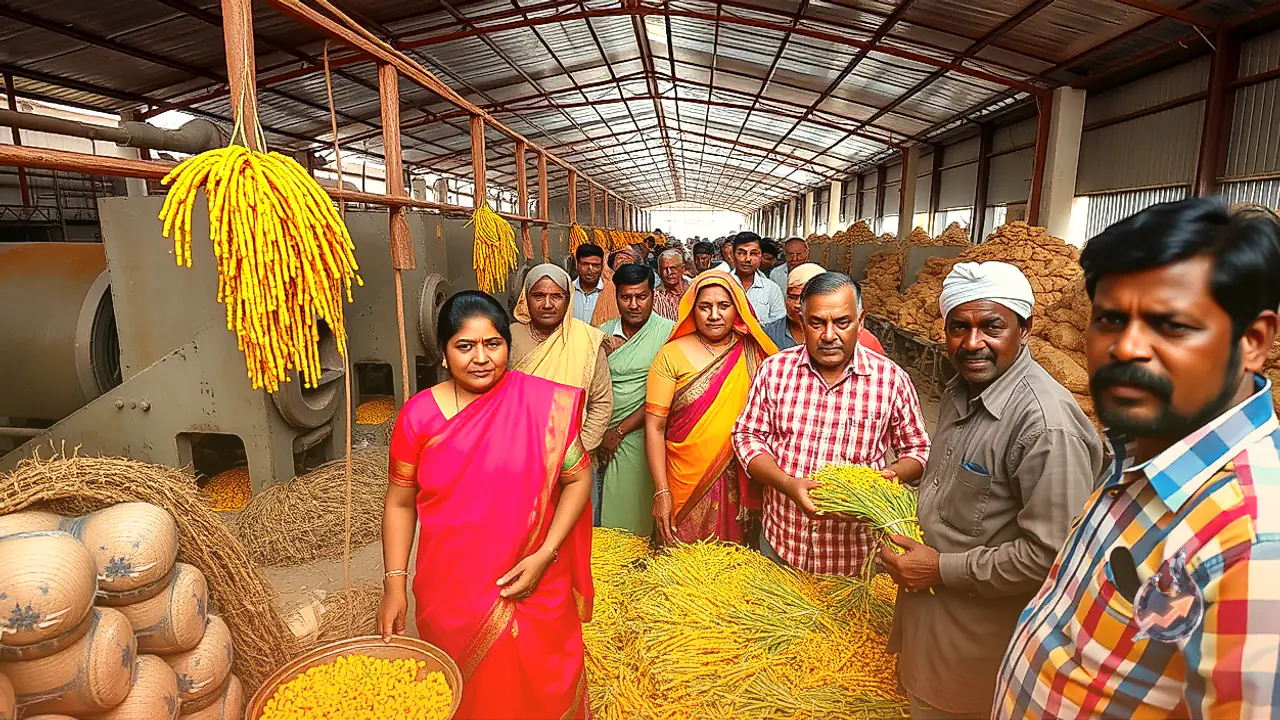
Modern machinery has made oil extraction more systematic, efficient, and consistent. An operational oil processing unit run by Princy Shah in Palamu district illustrates the scale of such grassroots enterprises. The machine installed at this unit operates with an extraction capacity of roughly 120 kilograms of mustard seeds per hour. On average, the facility crushes around 3 to 4 quintals of mustard each day. Production does not begin immediately upon arrival of the crop; the seeds undergo thorough cleaning to eliminate debris and dust. The cleaned seeds are then dried, and their moisture content is carefully evaluated. Only after meeting the specified moisture threshold does the crushing process begin, ensuring the final mustard oil maintains strict quality and purity standards.
Essential Planning Steps Before Setting Up an Oil Unit
Arvind Kumar advised interested farmers and local rural entrepreneurs across Palamu to visit the relevant district industries office or consult their Block Entrepreneur Coordinator. These local officers can guide applicants through eligibility benchmarks, capital expenditure estimates, commercial bank financing requirements, and the documentation needed for the subsidy. Before committing capital to an oil unit, entrepreneurs must conduct an objective evaluation of local retail demand, machine processing capacity, regular electricity overheads, and the sustained local supply of raw mustard seeds. By combining sound operational planning with reliable market linkages, cultivators can expand their work beyond traditional agriculture and build viable food processing enterprises.