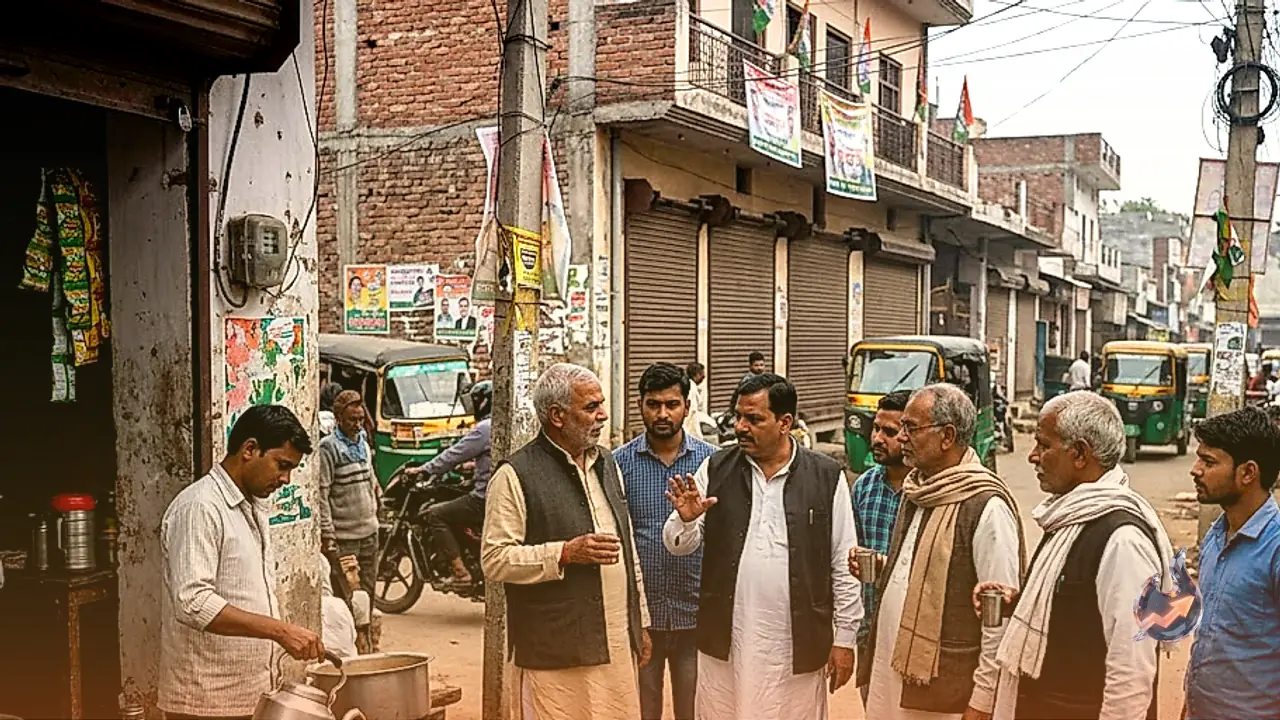
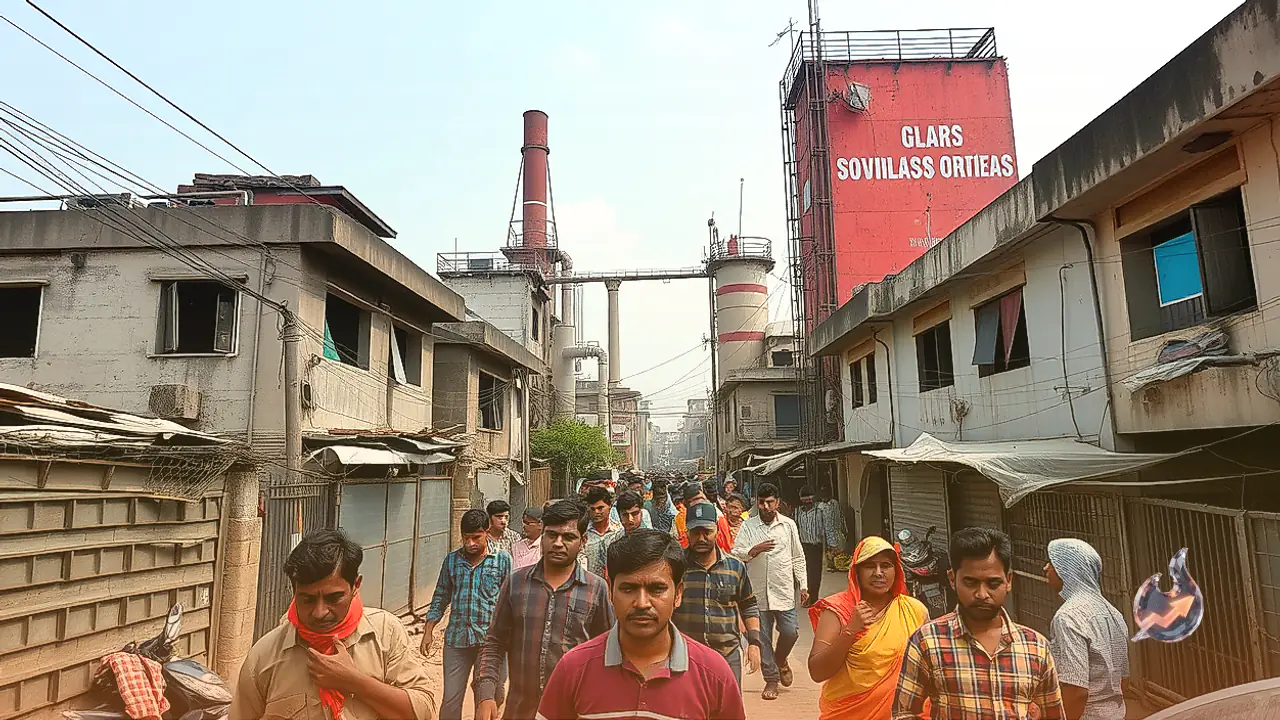





















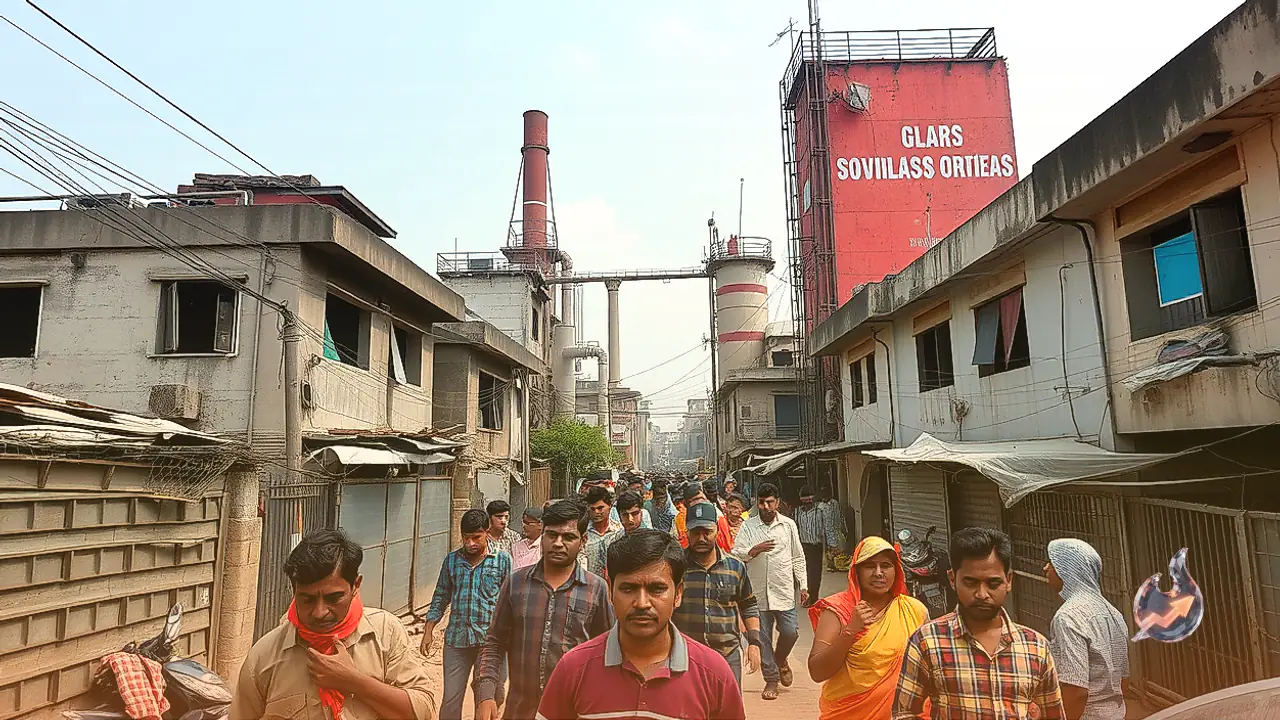

A severe civic crisis has gripped Preet Vihar Colony in Moradabad, Uttar Pradesh, where an unauthorized glass manufacturing unit situated in an interior residential lane has disrupted the lives of hundreds of citizens. For nearly a full year, heavy industrial machinery has been running non-stop right in the heart of this domestic locality. The continuous, ear-splitting drone from various operating devices has made restful sleep impossible for the neighborhood, while students are struggling to concentrate on their academic work. The ongoing disturbance poses particularly severe risks to elderly individuals and female residents suffering from cardiac conditions. In response, distressed local families have repeatedly escalated their grievances across institutional channels, submitting formal petitions on the Chief Minister portal, approaching the Divisional Commissioner, and lodging complaints with the local police station. However, their pleas have failed to yield any administrative action, leaving the neighborhood desperate for an immediate end to the relentless commotion so that their lives can return to normal.
Industrial Glass Melting in Dense Alleys Sparks Severe Environmental Hazards
Operating a manufacturing setup inside residential confines introduces significant environmental hazards alongside excessive noise. Vimal Kaushik, a resident of Preet Vihar Colony, explained that the facility engages in the process of melting glass directly amidst civilian houses. This high-heat industrial operation generates considerable refuse, expelling thick, toxic plumes of dirty smoke while heavy machines run concurrently with piercing racket. The colony is home to numerous elderly individuals, mothers, and neighbors who live with chronic cardiovascular issues. Under the continuous barrage of acoustic disturbance and environmental contamination, their physical and psychological balance is thoroughly undermined. Affected individuals must consume medications daily to manage their conditions, yet chronic sleep deprivation induces acute mental stress, transforming ordinary daily life into an agonizing ordeal.
Severe Health Deterioration and Repeated Hospital Visits Among Patients
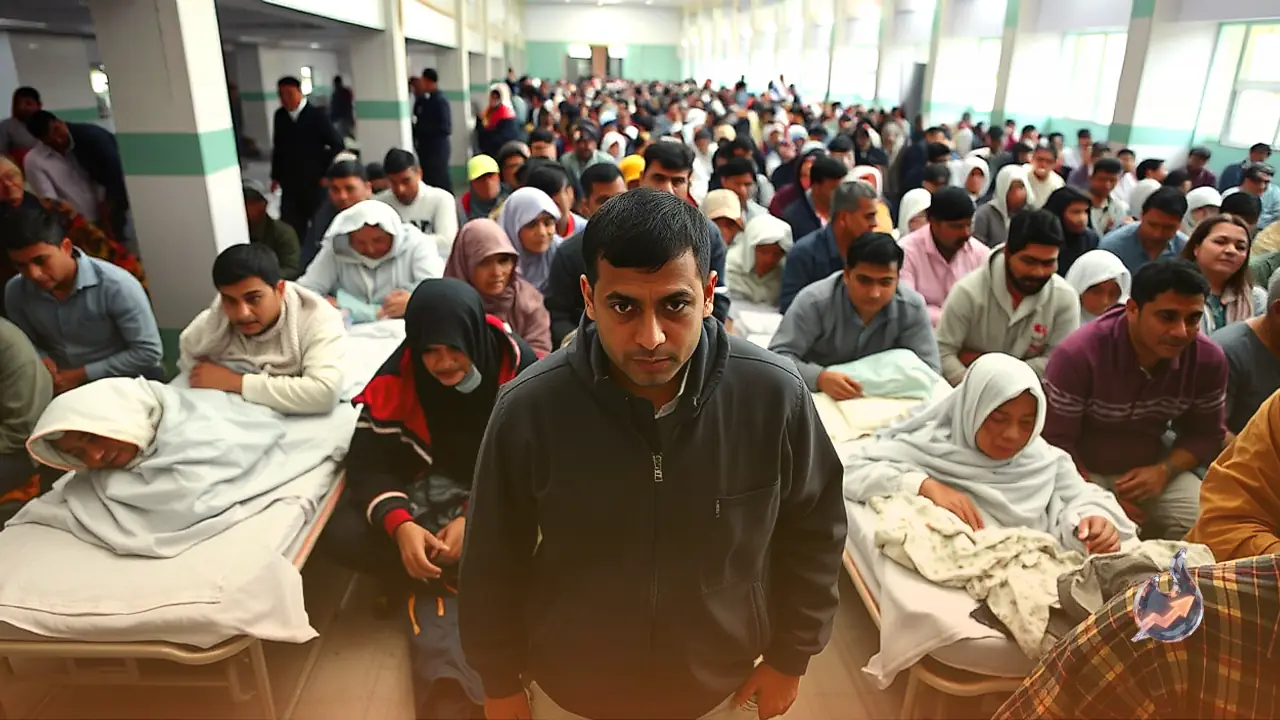
The persistent acoustic violence takes a severe physical toll on individuals battling chronic medical ailments. One female resident shared that she suffers concurrently from heart complications and elevated blood pressure. Due to the unyielding din generated by the glass machinery, she experiences debilitating, continuous headaches that recently required the administration of an intravenous drip. Her condition has destabilized to the point where she must seek hospital admission every two to three days. The unabated industrial cacophony directly accelerates her physical decline. She pointed out that hundreds of people inhabit the neighborhood, each subjected to the distressing effects of this smoke and racket. Schoolchildren residing in these homes are also unable to conduct their daily studies in a peaceful environment, compounding the domestic crisis.
Grave Risks for Cardiac Patients and Ineffective Local Redressal
Mithilesh Sharma, another local resident dealing with chronic heart disease, emphasized that the abrasive auditory output of the facility has surpassed human endurance. The loud rattling reverberates in her head even when indoors, causing persistent insomnia. Sharma highlighted that the manufacturing setup has remained functional for roughly one year. Frustrated residents directly approached local municipal councilor Geeta Sharma to present their grievances, followed by lodging formal complaints at the local police station and dialing emergency police services via 112. Despite these consistent steps, no regulatory intervention has taken place, nor have residents received any administrative reassurance. The community seeks only an immediate cessation of the noise and pollution emanating from this residential-zone factory so that they can finally be freed from the distress that has tormented them for twelve months.
Sixty Households Impacted as Environmental Regulators Defer Inspection
Local resident Radha Rani noted that the surrounding pocket contains between fifty and sixty residential houses, and every single household is confronting identical hardships. The constant uproar has disrupted domestic living routines entirely, leaving children completely unable to read or prepare for examinations. The acoustic assault has escalated health dangers for cardiac patients, keeping neighborhood families in a state of ongoing physical distress. Rani stated that residents traveled to multiple administrative desks and visited the local police precinct to seek relief, yet encountered zero operational response. The collective demand remains unambiguous: the hazardous smoke and loud operations must be shuttered permanently so the neighborhood can regain safety. When questioned regarding the ongoing violation, DK Gupta, serving as Regional Officer in the Pollution Control Department, stated that he currently lacks the time to address the matter as he is stationed out of town. The officer stated that upon returning to the city, an inquiry into the entire issue would be conducted and whatever facts emerge would be disclosed. Meanwhile, approximately sixty households in Preet Vihar continue to endure untreated toxic exhaust and deafening machine noise.