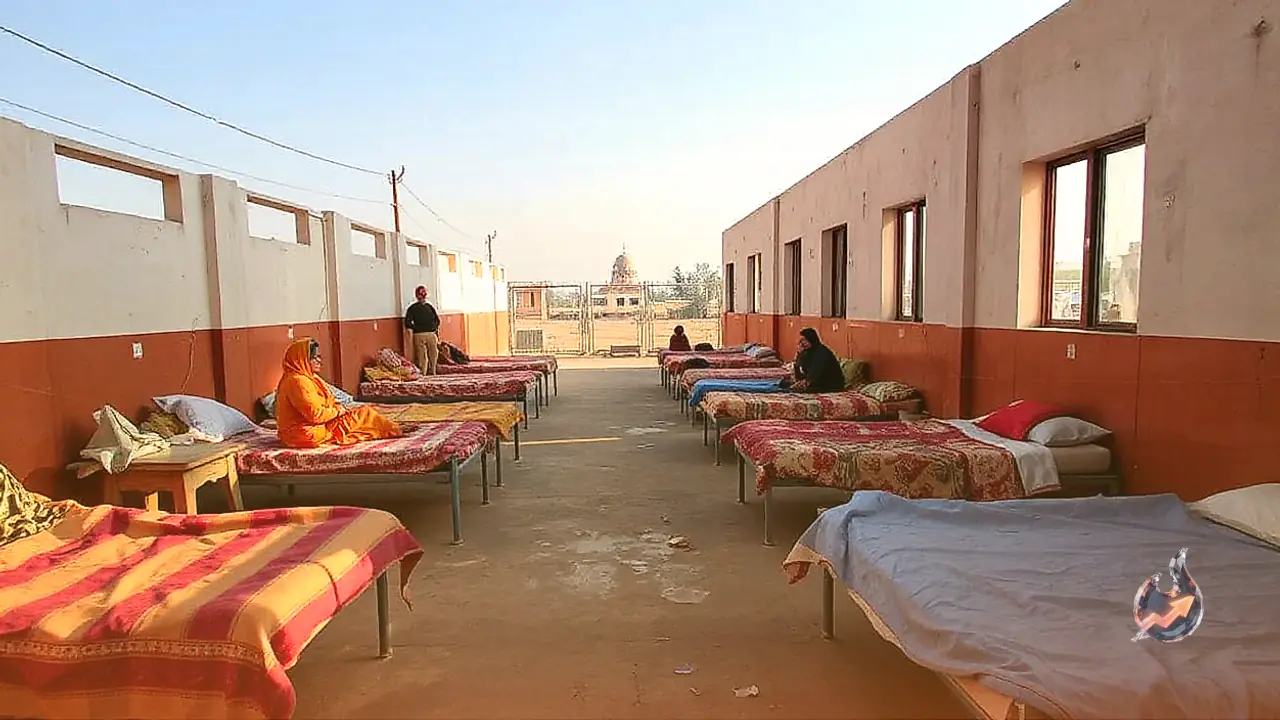

A fresh initiative has been launched in the Palamu district focusing on the safety, security, and rehabilitation of women. Designed specifically for women struggling against domestic violence, physical assault, harassment, and other forms of exploitation, a dedicated Shakti Sadan has now commenced operations to offer extended safe housing. The primary goal of this facility is to provide a secure environment for women facing severe crises, equipping them with self-reliance so they can reintegrate into mainstream society. The department has already granted formal approval for its operation.
Fifty-Bed Capacity Located in Medininagar
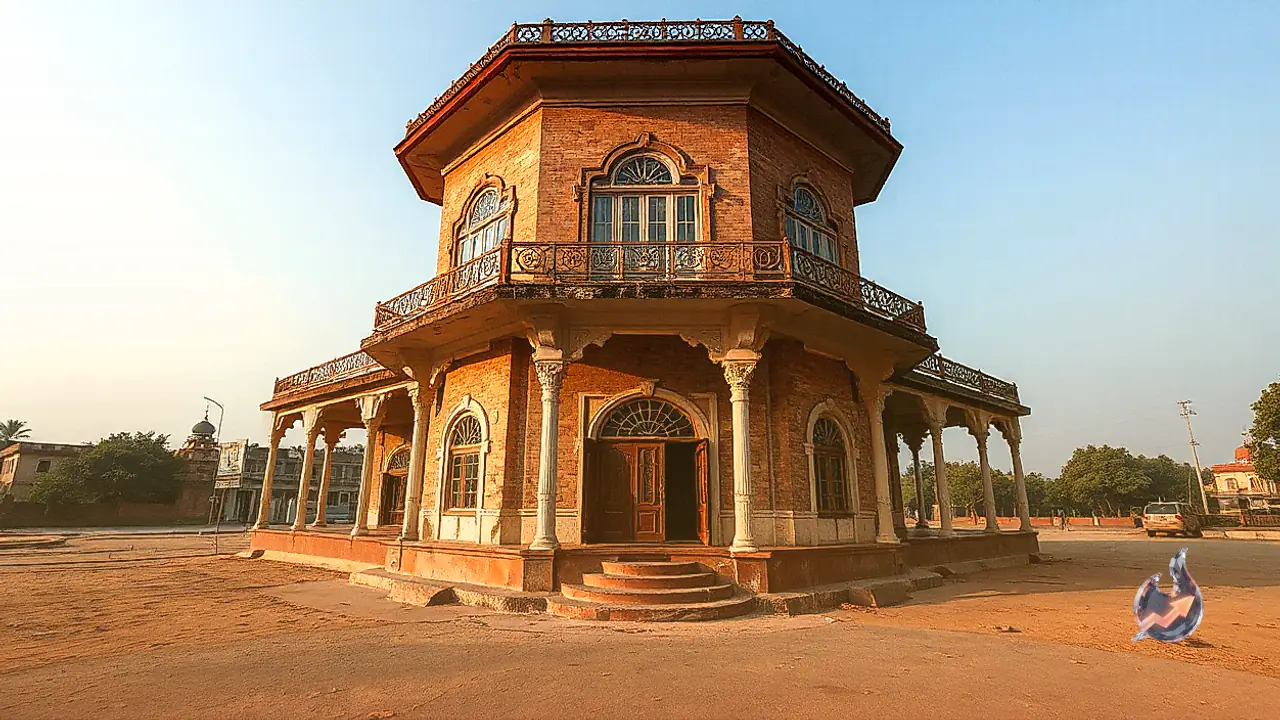
Palamu previously operated the Sakhi One Stop Center, which provides immediate assistance to victims of violence, though stay limits there capped out at a maximum of 10 days. In contrast, the newly established Shakti Sadan is built to accommodate women for long-term residency. Situated in the Kandu Mohalla area of Medininagar, the center is operated via the Grameen Samaj Kalyan Vikas Manch. It features a total capacity of 50 beds, ready to shelter distressed women aged above 18 as well as female victims rescued from human trafficking rings.
Three-Year Residency Plus Monthly Financial Support
Women sheltered inside the Shakti Sadan will receive provisions for housing, food, and other essential amenities for a duration of up to three years. In addition to daily living support, a stipend arrangement allocates 500 rupees per month to each resident. Depending on individual requirements, professional healthcare services, mental health counseling, and tailored assistance will be provided to help traumatized women recover both physically and mentally from their ordeals.
Empowerment Through Skill Development Programs
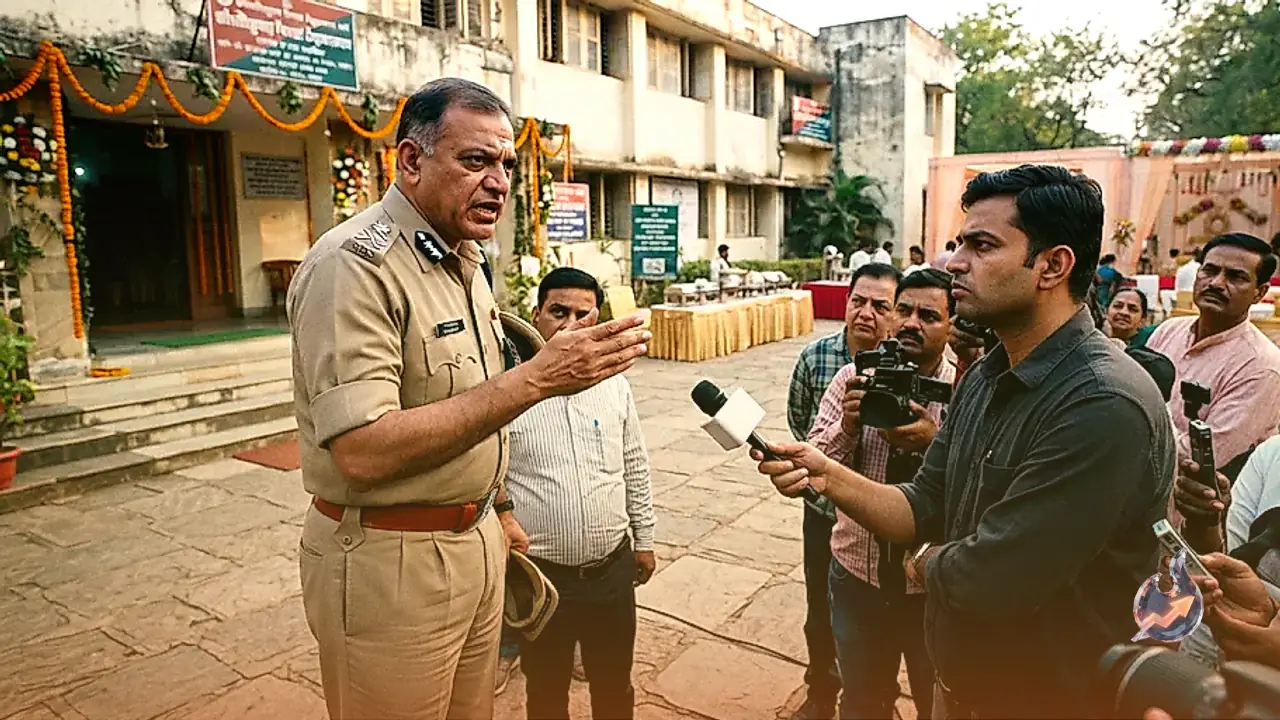
According to the facility's caretaker, residents at the Shakti Sadan will also participate in vocational skill development training programs. This specialized training aims to open up sustainable employment and self-employment avenues for their future. The entire establishment functions under the strict administrative oversight of the local police department and the social welfare department. When necessary, authorities will initiate contact with families to facilitate secure reintegration processes. This endeavor is expected to offer a reliable lifeline for women forced out of their homes due to abuse and left without a safe place to live.