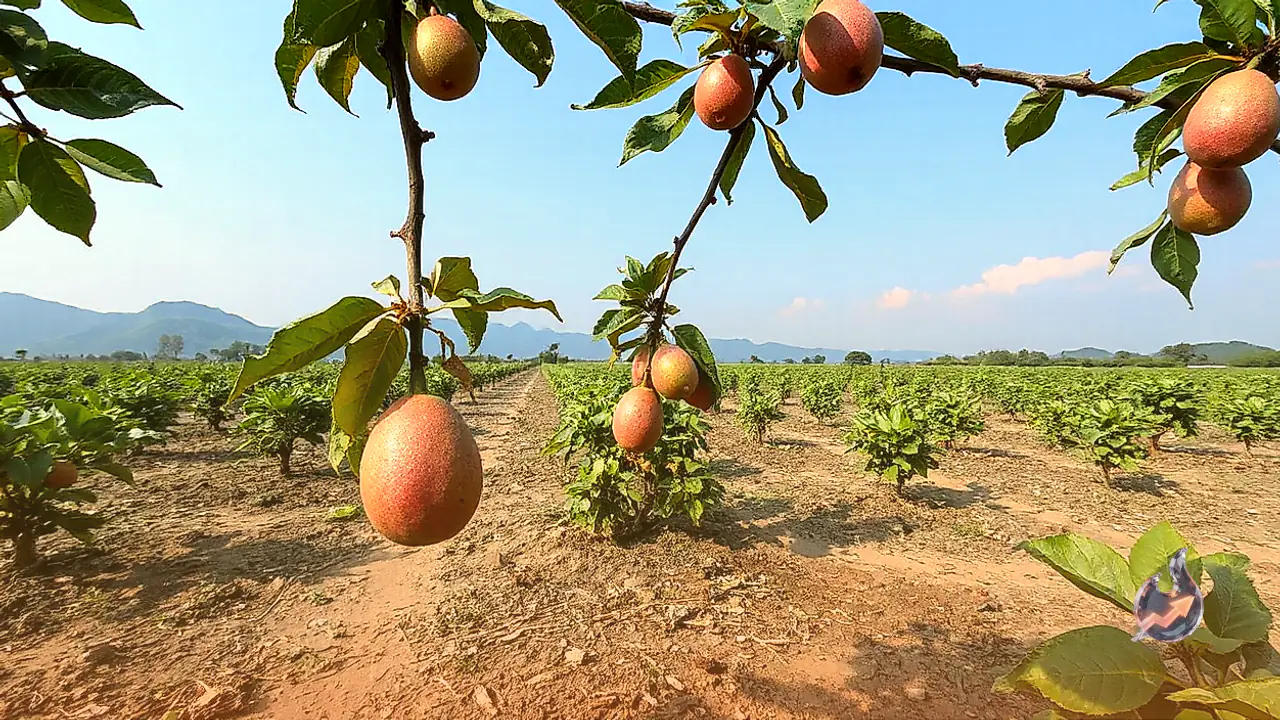

As the winter season begins, the demand for fresh and nutritious fruits in local markets experiences a notable surge. During this time, if agricultural producers are considering moving beyond traditional farming methods, guava cultivation can emerge as a highly lucrative alternative. Lately, the Taiwan Pink guava has captured widespread consumer interest due to its distinct texture, large size, and striking pink flesh. Externally, it resembles a standard green guava, but upon slicing, the beautiful pink interior immediately draws attention. Its exceptional taste further elevates its popularity, prompting steady market demand that allows cultivators to secure superior profit margins.
Regional Climate and Variety Selection
According to Deoghar agricultural expert Vakil Yadav, the climate of Jharkhand is well-suited for cultivating several successful varieties of guava. Local farmers can grow options such as VNR, L-49, Taiwan Pink, and Allahabad Safeda. Among all these choices, however, the Taiwan Pink variant commands particularly strong market demand. Its defining characteristics include a large size, superior flavor profile, and inner pink pulp. Because it looks visually appealing compared to conventional guavas, buyers tend to favor it significantly. Consequently, growers can leverage this fruit to carve out a distinct identity in their local marketplaces.
Preparation and Planting Techniques
As outlined by agricultural guidance, initiating this cultivation requires proper preparation of the field. Planting the saplings necessitates digging pits measuring approximately 2×2×2 feet. Following this, the pits should be filled with a nutrient-rich mixture containing well-decomposed cow dung manure, vermicompost, neem cake, and appropriate soil fertilizers. Healthy guava saplings are then planted directly into these prepared pits. A spacing of about 8 feet must be maintained between adjacent plants to ensure they have sufficient room to branch out and grow. Depending on the planting method and available layout, roughly 500 to 1000 plants can be accommodated within a single acre of land.
Yield Expectations and Financial Returns
When examining the income potential, Taiwan Pink guava farming offers promising financial prospects for producers. Agricultural expert Vakil Yadav notes that a fully mature and developed plant can yield between 15 to 20 kilograms of fruit. In the marketplace, prices can reach up to 45 rupees per kilogram. Based on these figures, a single plant can generate sales ranging from 675 to 900 rupees. Nonetheless, actual yields and market pricing depend heavily on plant age, maintenance routines, seasonal weather variations, and shifting market demand.
Winter Maintenance and Care Guidelines
Providing careful attention to guava plants during the winter months is critically important. Young and delicate saplings must be adequately protected against severe cold temperatures and frost damage. Regularly check the moisture levels within the soil and administer irrigation only as needed. Ensure that weed growth is prevented around the root zones and routinely prune away dry or diseased branches. Proper plant spacing, balanced water and nutrient management, and timely care collectively foster healthy growth and robust crop development.