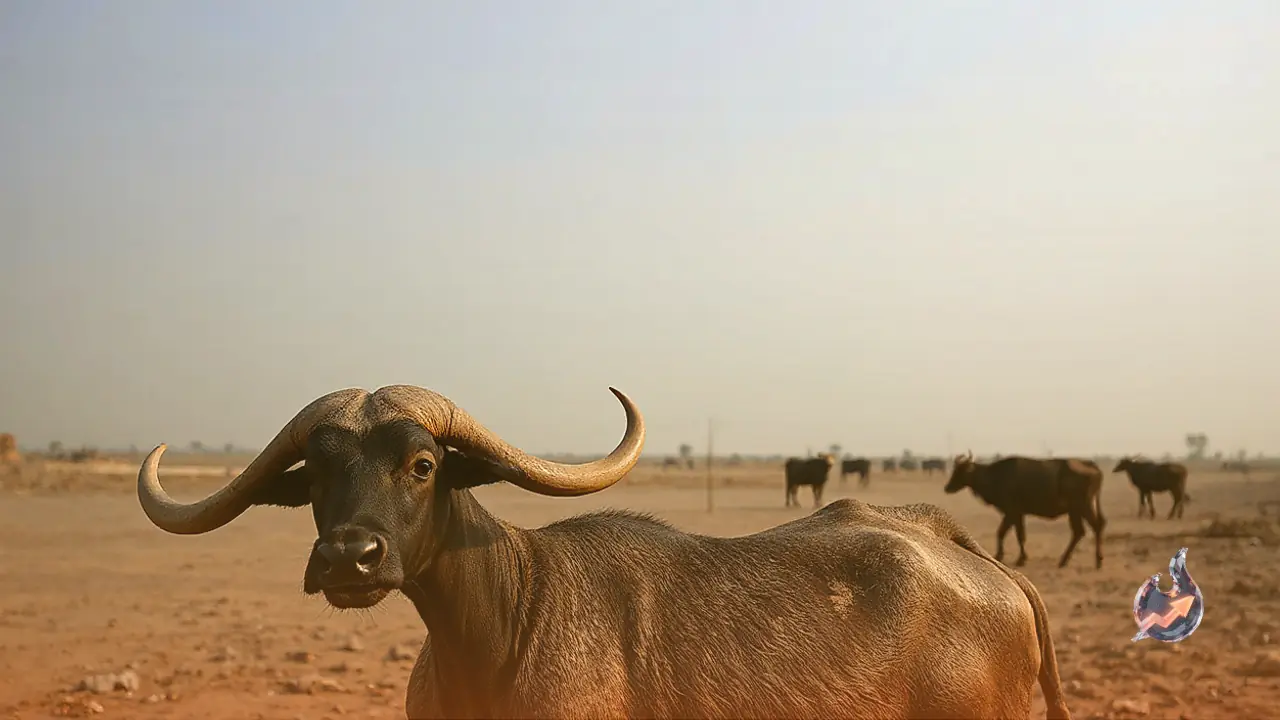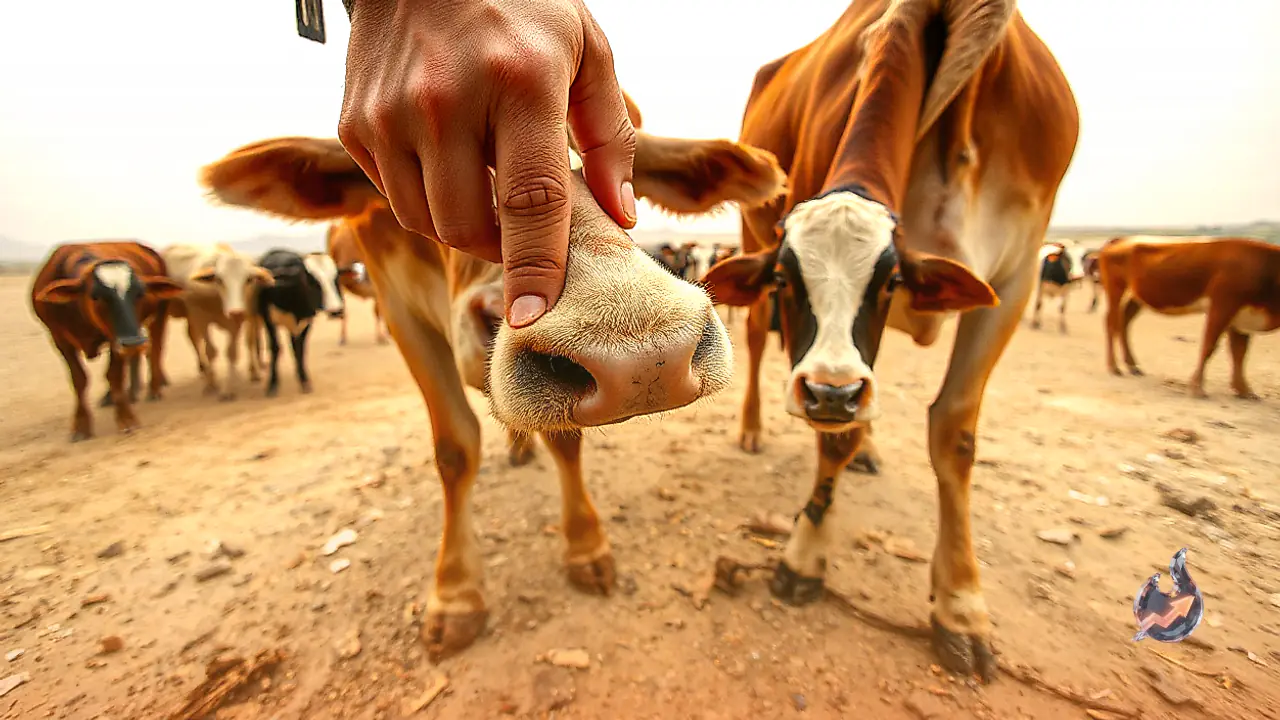

Many livestock owners use nose rings as a common method to keep cows under control. According to Dr. Ajit Sharan, the middle part of a cow's nose is built with delicate structures made of cartilage and ligaments, which is precisely where the ring is inserted. However, many owners make the mistake of piercing the nose themselves without seeking any expert assistance. Doing this can cause severe damage to the nasal tissues, while using old, dirty, or rusted tools significantly increases the risk of tetanus and other dangerous infections.
Importance of veterinary supervision and sterilized tools
Veterinarians strongly recommend that the process of piercing a cow's nose should always be carried out under the supervision of a trained person or a qualified vet. It is essential to thoroughly clean and treat the equipment with antiseptics before use. Owners must avoid attempting this procedure at home by themselves without proper knowledge. Improper piercing and unhygienic tools can lead to deep tissue trauma and long-term health complications for the animal.
Choosing the right rope and ensuring comfort
The selection of the rope used with the nose ring is also extremely critical. Livestock owners should opt for soft cotton ropes instead of nylon alternatives. Before use, the rope must be properly cleaned and disinfected, while dirty or damp ropes should be completely avoided. Furthermore, the rope should never be tied so tightly that the cow experiences difficulty in eating, standing up, sitting down, or performing normal daily activities.
Precautions with knots and secure tethering
Special care must be taken while making knots or joints in the rope. Avoid creating knots that cause constant friction against the skin of the cow's nose, as this can lead to irritation, itching, and open wounds. At the same time, while tying the animal, ensure that the rope does not get tangled around a post or another object in a way that could jerk and injure the nose.
Regular health checks and medical attention
After inserting the nose ring, regular inspections of the cow's nose must be maintained. If there is bleeding, discharge of pus, visible swelling, or signs of pain and distress in the animal, these symptoms should never be ignored. In such situations, a veterinarian should be contacted immediately, and medications or antiseptic sprays should only be used according to professional medical advice.
Natural training as a better alternative
Dr. Ajit Sharan advised livestock owners that, whenever possible, they should avoid the painful procedure of piercing a cow's nose for control. Instead, it is much better to train animals gradually using natural methods so that handling them does not rely on nose piercing or rings.