




















Jharkhand is witnessing a concerning escalation in the number of adolescent girls becoming pregnant at a young age. The state's teenage pregnancy rate has climbed from a previous 9.8 percent to 11.7 percent. This indicates that nearly 12 out of every 100 teenage girls in the state are experiencing pregnancy during their formative adolescent years. The most alarmingly stark finding is concentrated in rural pockets, where the prevalence of teenage pregnancy is nearly three times higher than in urban centers. Beyond the immediate practice of child marriage, complex systemic issues including interruptions in girls' education, community safety concerns, and entrenched social traditions contribute significantly to this outcome.
Disparity Between Rural and Urban Regions
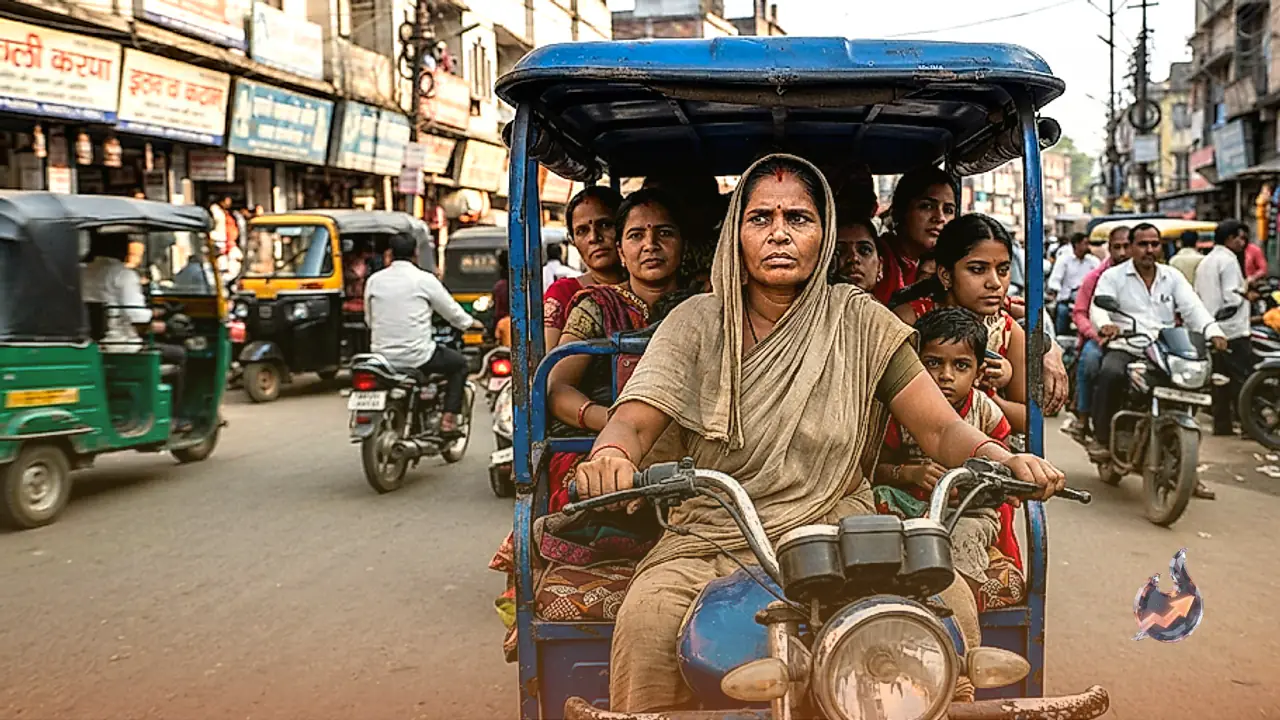
Data shared by Dr. Kaninika Mitra, the State Head for UNICEF in Jharkhand, highlights a profound divide between urban and rural socio-health landscapes. In urban areas across the state, the teenage pregnancy rate remains comparatively low at 4.7 percent. In contrast, the figure escalates to 13.3 percent across rural villages. This 8.6 percentage point discrepancy highlights more than just a deficit in rural medical infrastructure. It points to underlying structural hurdles, such as limited access to quality schooling, societal expectations, and a broader lack of supportive environments for young girls.
Child Marriage Rates and Societal Pressures
According to findings from the National Family Health Survey-6 (NFHS-6), Jharkhand has recorded a minor decline in early marriages, though progress remains slow. The state's child marriage rate decreased from 32 percent to 28 percent. However, when measured against the national average of 20 percent, Jharkhand continues to rank as the fourth highest state nationwide for early marriages. Analysis from UNICEF underscores that 28 percent of these child marriages directly transition into teenage pregnancies, primarily driven by immediate family and community pressure on young brides to conceive shortly after marriage.
Socio-Economic Factors and Educational Barriers
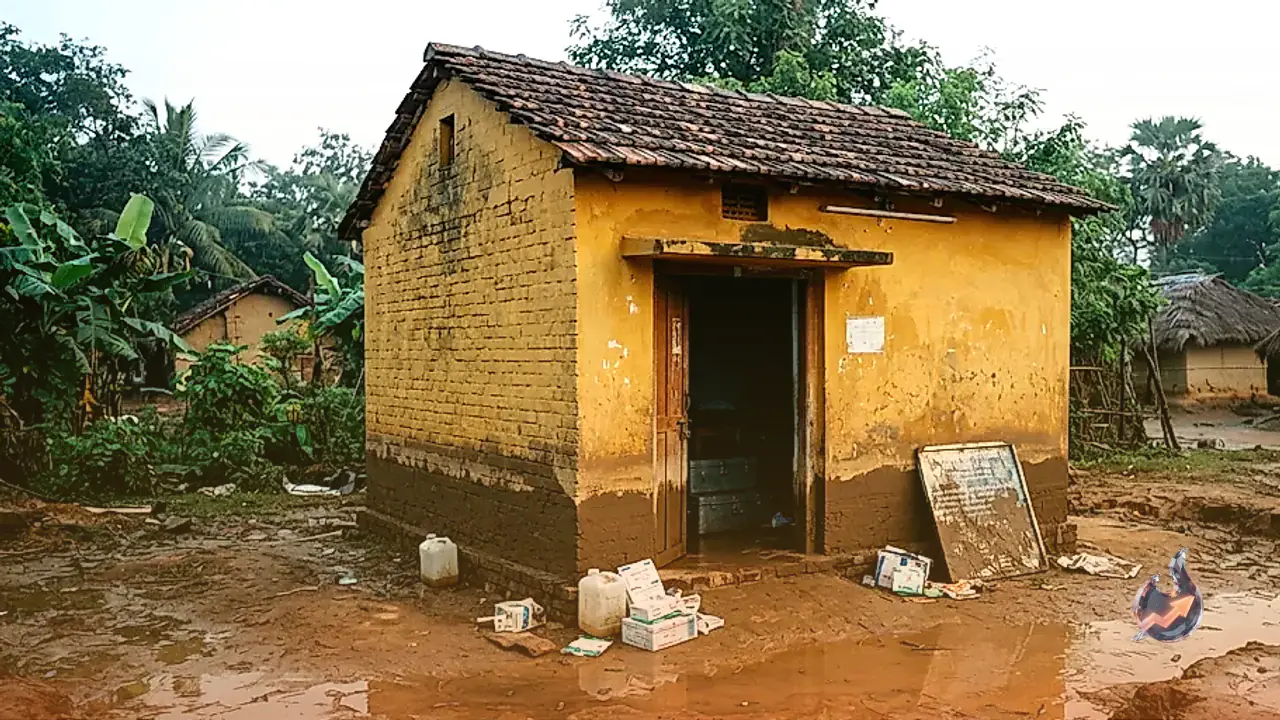
Subject matter experts point to several practical issues reinforcing this trend across rural villages. High schools are frequently located at significant distances from residential areas, prompting parents to withdraw their daughters from school over safety concerns. Furthermore, the absence of clear economic and employment avenues leads many households to view early marriage as a financially practical option, reinforced by the widespread perception that marrying off daughters at a younger age reduces overall wedding expenses and dowry demands.
Traditional Practices and Healthcare Consequences
In select tribal pockets of the state, traditional live-in practices such as 'Dhuku' create unique healthcare delivery challenges. Adolescent girls living within these informal arrangements often realize they are pregnant late in their gestation. Consequently, they miss critical early antenatal care visits, depriving them of timely nutritional support, iron-folic acid supplementation, and essential medicines. This delay substantially heightens the risk of acute malnutrition for both young mothers and their infants.
To combat these health risks, the Jharkhand Health Department is focusing on pre-conception care as part of its SUMAN Roadmap 2030 strategy. Medical interventions are particularly crucial given that approximately 65 percent of adolescent girls in the state suffer from anemia. Experts emphasize that mitigating teenage pregnancy requires a multi-faceted response: curb child marriage while simultaneously safeguarding girls' education, improving health service delivery, and expanding economic opportunities for young women.