























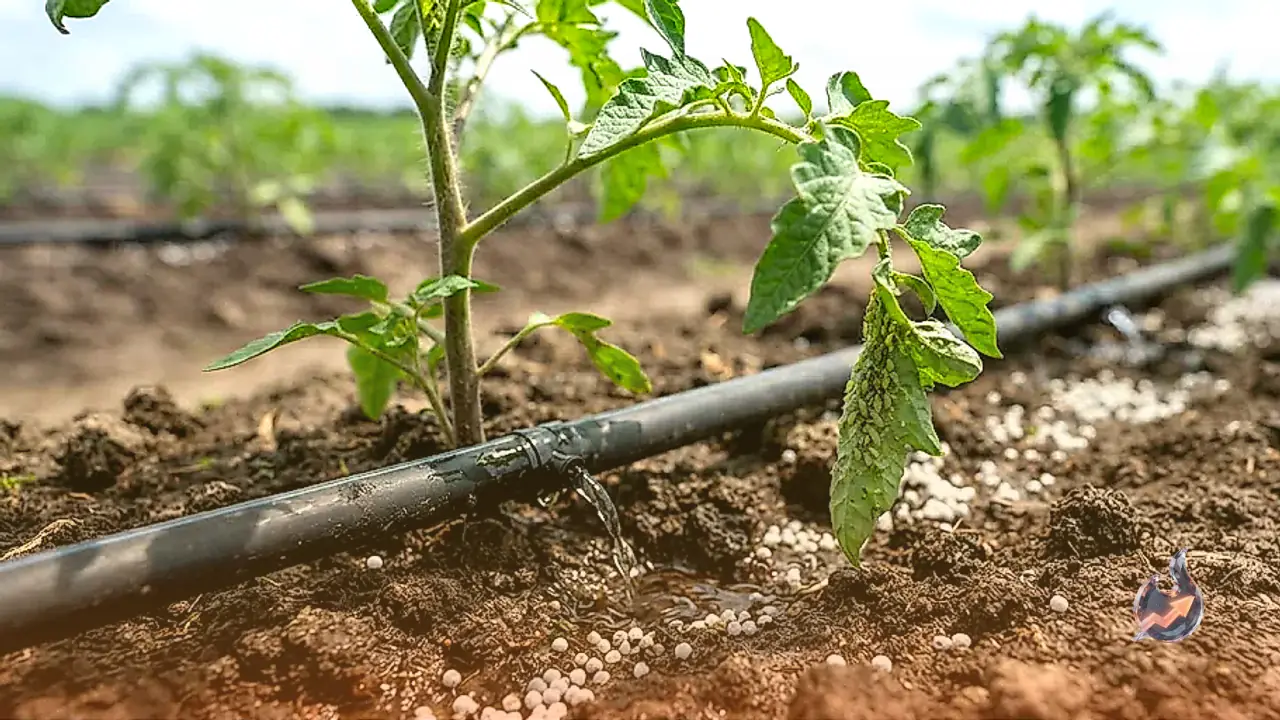

Scientific management practices remain essential for cultivators seeking dependable profits and healthy yields from mustard crops. Farmers in Palamu can keep operational expenses low while enhancing overall production by closely monitoring watering intervals, nutritional inputs, and seasonal pest activity. Applying excessive water to the fields without assessing soil requirements often leads to root complications and stunts plant development, making regulated irrigation vital across every growth cycle.
Managing Water Application During Critical Stages
Irrigation schedules must align with the moisture levels of the soil rather than routine watering habits. Unnecessary flooding of the crop field creates adverse physiological stress for mustard plants. Scientific observations indicate that moisture proves most advantageous during the flowering phase and the subsequent grain development period. Providing controlled water during these two critical milestones helps the plants produce well-filled pods and prevents premature dropping of blossoms.
Nutrient Management and Urea Application at Flowering
Timed fertilization provides plants with the essential energy needed to form sturdy vegetative branches and healthy flowers. Agricultural specialist Dr. Pramod Kumar points out that cultivators who were unable to administer the recommended volume of urea during the sowing period should apply it as a top-dressing or spray once the crop reaches the flowering stage. This application restores available nitrogen, stimulating vegetative vigour. Depending on crop requirements and soil evaluation results, farmers can also apply a balanced combination of 2.5 kg urea, 1.5 kg DAP, and 1 kg potash.
Boosting Grain Formation with 19:19:19 Foliar Sprays
Growers working with hybrid mustard varieties often encounter heightened nutrient demands during the active vegetative and pod-filling phases. Applying a 19:19:19 water-soluble fertilizer delivers an evenly distributed supply of nitrogen, phosphorus, and potassium directly through foliar absorption. Dissolving 4 grams of this fertilizer per litre of water and spraying it across the foliage supports vigorous canopy development and helps fill the grains fully, provided the application strictly follows approved label guidelines.
Protecting the Harvest Against Aphid Infestations
Aphids, commonly known as lahi, present a significant threat to standing mustard crops. These pests congregate on tender shoots, blossoms, and leaves to extract cell sap, which severely impairs plant stamina and drastically reduces overall output. To contain this infestation, cultivators can apply imidacloprid in consultation with agricultural recommendations, mixing 1 millilitre of the chemical per litre of water. Incorporating a silicon-based sticker adjuvant into the spray solution ensures that the liquid spreads evenly and clings securely to the foliage, maximizing pesticide efficiency.