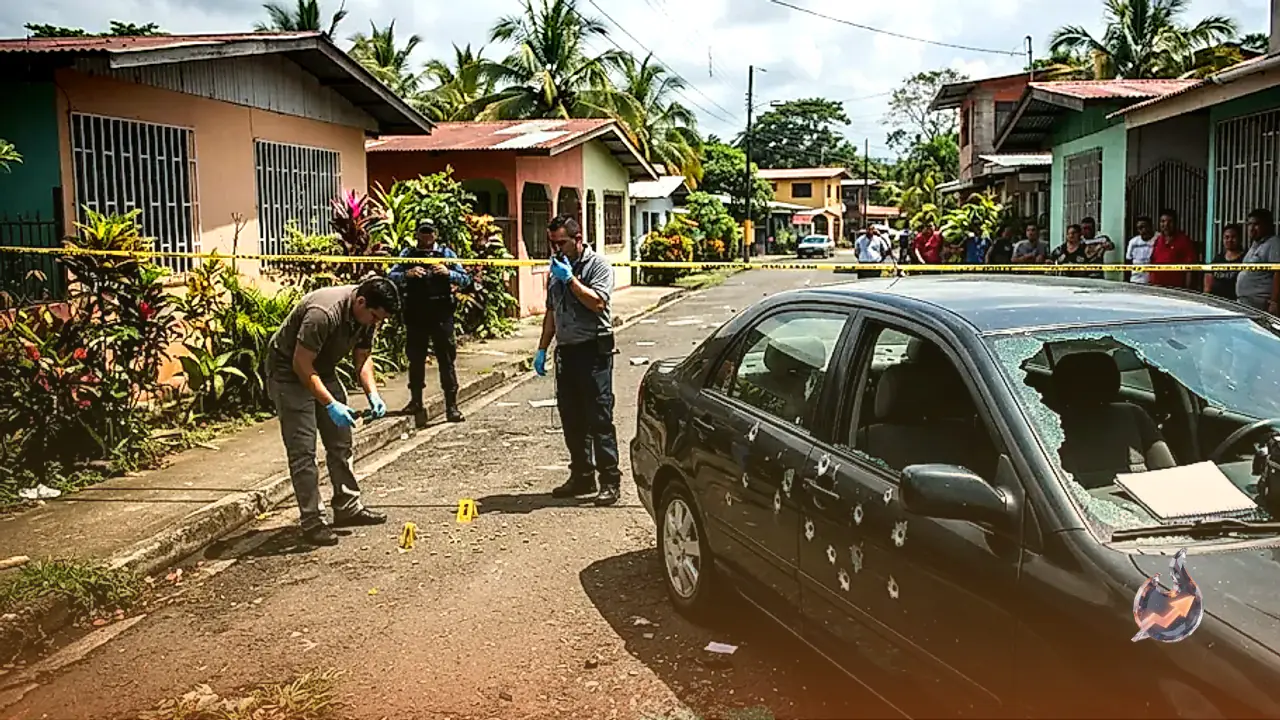

A prominent independent journalist in Costa Rica who fearlessly denounced alleged connections between politicians and drug trafficking syndicates has been shot and killed, sending shockwaves across the Central American nation. Police reported that assailants riding on a motorbike ambushed Camilo Rodriguez, 50, while he was driving his car north of the capital city of San Jose on Monday afternoon. This tragic event has reignited grave concerns regarding the safety of media professionals and investigative reporters operating in the region.
Persistent Death Threats Ignored
Prior to his brutal assassination, Rodriguez had repeatedly stated in public that he was receiving continuous death threats originating from powerful drug trafficking gangs. Despite the escalating personal danger, the veteran reporter continued his investigative work. Local media outlets noted that this marked the first murder of a journalist in Costa Rica in more than two decades. The incident occurs during a troubling period when transnational crime syndicates are steadily expanding their operational footprint within the country, driving up a homicide rate that was historically very low.
Social Media Revelations and Allegations
Rodriguez had spent several decades working across various mediums including print and radio journalism. In more recent times, he utilized social media platforms to upload video broadcasts where he named prominent public figures, ranging from high-ranking judges and wealthy business people to politicians, accusing them of corruption and alleged ties to known drug syndicates. In one particularly controversial video, he asserted that the private home of Costa Rica President Laura Fernandez had been built by a construction company that he claimed maintained direct connections with a criminal organization.
Legal Battles and Presidential Condemnation
President Laura Fernandez categorically denied any wrongdoing or illicit involvement following the allegations and subsequently filed a defamation lawsuit against the journalist in court. However, reacting swiftly to his assassination through a recorded video message, the president strongly condemned the attack, describing it as a profound stain on freedom of expression. She added that strict instructions had been issued to law enforcement agencies to deploy all necessary resources to punish Camilo’s murderers to the fullest extent of the law.
Political Ambitions and Official Outcry
Aside from his extensive career in reporting, Rodriguez had also attempted to transition into electoral politics, seeking to run as the presidential candidate representing the Costa Rican Renovation Party back in 2021. Nevertheless, his political candidacy was ultimately rejected by the country's electoral authorities after the political party failed to satisfy the necessary legal criteria required to formally file candidates. Costa Rica Attorney General Carlo Diaz emphasized the gravity of the situation by stating that silencing an individual who reports on drug trafficking and corruption is an intolerable signal in any functioning democratic society.
Journalist Association Condemnation
The president of the Costa Rican Journalists Association, Yanancy Noguera, expressed deep outrage over the killing, stating that all evidence gathered so far points directly toward an intentional effort to silence a dissenting voice in Costa Rica, specifically targeting someone who published critical information about organized crime networks operating within the country. The murder has sparked widespread grief and heightened anxiety among regional press corps, who continue to press authorities for comprehensive protective measures.