
















The ashes of renowned Guatemalan writer and diplomat Miguel Ángel Asturias have been laid to rest in his native country, 52 years after he passed away in exile. Asturias died of cancer in the Spanish capital of Madrid in 1974 and was subsequently buried in France. His remains were recently transported from Paris for a memorial ceremony honoring his immense literary and political legacy.
A Solemn Homecoming in Guatemala City
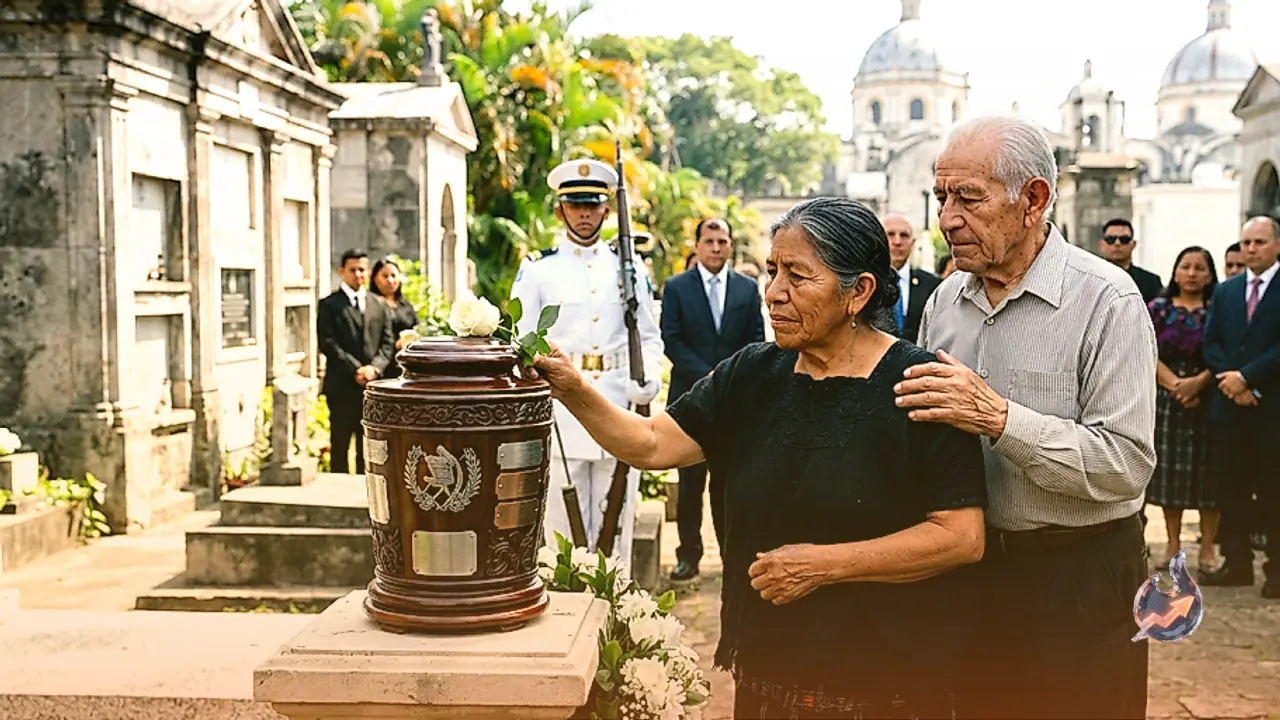
During a ceremony held at the cultural centre named in his honour in Guatemala City, the urn containing the author's ashes was placed in soil gathered from diverse regions across the country. Addressing the gathering, his son, also named Miguel Ángel Asturias, shared a moving tribute to his late father, noting that the writer had always longed to return to his homeland, though historical political conditions prevented him from doing so during his lifetime.
Political Exile and the 1954 Coup
Asturias served in various diplomatic posts across Central and South America between 1944 and 1954, a democratic period remembered as Guatemala's 10 Years of Spring. However, when democratically elected President Jacobo Árbenz Guzmán was overthrown in a CIA-backed military coup in 1954, Asturias was stripped of his citizenship, his literary works were banned, and he was forced into political exile.
The family maintained his grave at Père Lachaise cemetery in Paris for decades, agreeing to return his remains only after progressive candidate Bernardo Arévalo won the Guatemalan presidency in 2023. President Arévalo, whose father Juan José originally appointed Asturias to diplomatic service during the 10 Year Spring, paid tribute to the Nobel laureate at the interment ceremony, calling him the nation's true voice on the global stage.
Literary Masterpieces and the Nobel Honor
Born in 1899, Asturias traveled to Paris in the 1920s to pursue studies in ethnology. Deeply influenced by surrealist artists, he penned his first major book, Legends of Guatemala, which retold traditional Maya creation stories and myths. His subsequent works, including the 1946 political novel The President and his famous Banana Trilogy, exposed the cruelties of Latin American dictatorships and the harsh labor exploitation on banana plantations.
In 1949, he published Men of Maize, widely considered his masterpiece, exploring how indigenous communities navigated rapid modernization and cultural change. In recognition of his vivid storytelling rooted in indigenous Guatemalan identity, Asturias was awarded the Nobel Prize for Literature in 1967. Nobel Peace Prize laureate Rigoberta Menchú also attended the ceremony alongside the writer's son to pay her respects.