























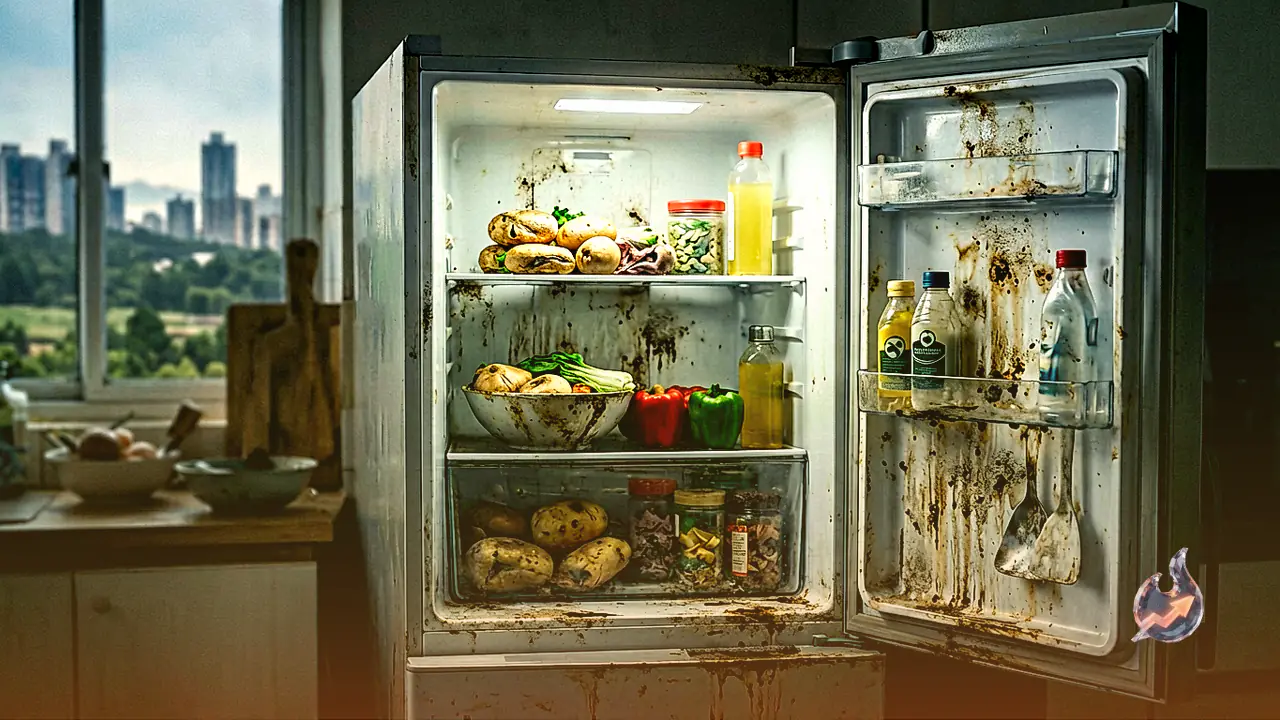

A refrigerator stands as one of the most indispensable home appliances in any modern kitchen. Designed to preserve daily essentials such as milk, fresh produce, and leftover meals, it helps maintain food freshness over extended periods. However, regular daily operation often leads to accidental spills, sticky residues, and unpleasant odors inside the cabinet. Neglecting routine maintenance not only degrades the aesthetic appearance of the appliance but can also compromise food hygiene and safety. Fortunately, restoring pristine cleanliness does not require purchasing expensive commercial cleaning agents. Simple everyday ingredients found right in the kitchen can effectively refresh the interior while mitigating the risk of bacterial contamination.
Utilizing Baking Soda and Vinegar for Natural Deodorization
Experiencing a sudden foul smell upon opening the refrigerator door is a common nuisance that can be resolved easily. Placing a small bowl filled with baking soda inside the refrigerator cabinet serves as an effective natural absorbent that neutralizes unwanted odors. For tackling aged, stubborn spots, preparing a simple cleaning solution containing equal parts of clean water and white vinegar works exceptionally well. Wiping interior surfaces with this balanced vinegar solution effectively dissolves difficult stains while completely eliminating lingering smells without leaving behind harsh chemical fumes.
Removing Sticky Residues and Softening Dried Food Spills
Cleaning fresh spills or sticky patches requires nothing more than a mild solution of warm water mixed with dish soap. Dip a soft cloth or gentle sponge into the soapy liquid to wipe down contaminated areas, followed by a thorough rinse using a clean damp cloth. When dealing with dried, hardened food deposits, avoid using force or sharp objects to scrape the surface. Instead, rest a warm, wet cloth over the hardened spot for a few minutes. The heat and moisture will soften the deposit, allowing it to be wiped away smoothly without damaging the underlying material.
Deep Cleaning Interior Components and Establishing Storage Habits
To achieve a comprehensive deep clean, remove all detachable components, including glass shelves and vegetable storage drawers. Wash these individual parts thoroughly using mild soap and warm water, then allow them to air dry completely before reassembling them inside the appliance. Incorporating a quick weekly inspection routine helps identify and discard any spoiled or expired items promptly. Furthermore, storing stored food items exclusively in sealed containers or airtight covers prevents accidental leakage and preserves overall cleanliness.
Crucial Safety Precautions and Proper Maintenance Rules
Once the cleaning process is finished, wipe down the entire interior with a dry microfiber towel to eliminate remaining moisture. Ensure every surface is completely dry prior to plugging in and restarting the appliance. Never apply chlorine bleach or abrasive chemical cleaners inside the storage cabinet. Similarly, abstain from using steel wool or sharp metal utensils, as they create permanent scratches on protective coatings. Avoid plunging cold glass shelves directly into hot water, as sudden temperature fluctuations can cause thermal shock and cracking. Lastly, never spray perfumes or synthetic air fresheners inside the refrigerator environment.