




















A deep look at this Phantom Blade Zero review reveals a title that represents a massive evolutionary leap for high-octane martial arts gaming. To most western players, the title might initially sound like an obscure nineties mecha anime franchise, but it is actually the freshest chapter in a storied gaming property that has flourished across China for two decades. Crucially, the developers structured this entry as a standalone prequel, entirely freeing newcomers from the burden of needing prior story knowledge. Shifting decisively away from mobile-oriented role-playing roots, developer S-Game has rebuilt the franchise into an ambitious, polished action spectacle that serves as an accessible gateway into classical wuxia sword combat and sweeping heroic myth.
The Core Premise and Soul's 66-Day Countdown
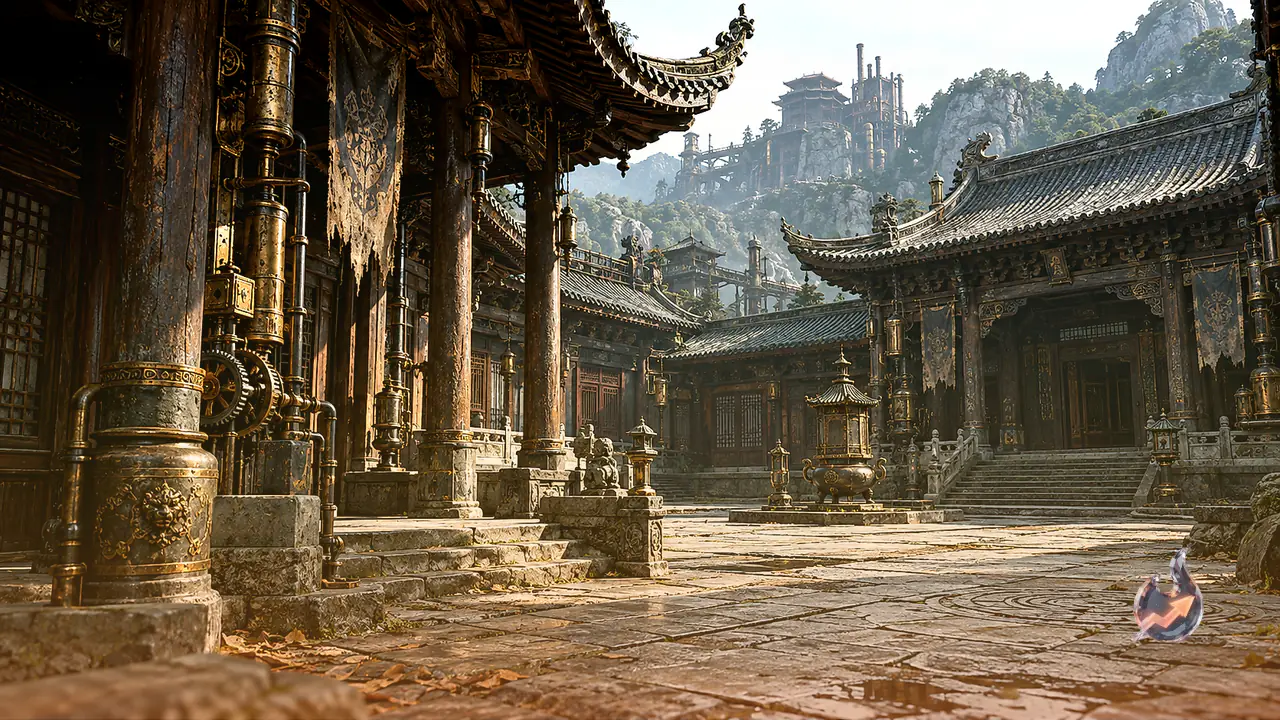
Players step into the shoes of Soul, an elite swordsman pledged to a clandestine faction known simply as The Order. Following a punishing introductory skirmish, Soul is left on the verge of death before an enigmatic savior resurrects him by implanting a toxic artificial heart. This intervention carries an unforgiving deadline: Soul is granted a mere 66 days to locate a viable replacement heart and confront Zuo Shang, his adopted brother who has turned into his bitter arch-rival. The narrative pulls rich inspiration from vintage martial arts cinema and fantasy manhua comics, skillfully dressing those tropes in an atmospheric industrial steampunk aesthetic that gives the whole journey a distinct, haunting identity.
Masterful Combat and Donnie Yen's Kinetic Choreography
Combat is undeniably the centerpiece of the entire experience, comfortably positioning this release as a premier contender for action game of the year. The fighting engine strikes an exquisite equilibrium between intuitive basic attacks and layered weapon-specific combinations, layered with sharp parries, deflections, and crushing charged strikes. Pure button mashing and mindless hacking will lead to quick failure. Success demands keen observation of opponent maneuvers, knowing precisely when to press forward, fall back, or trigger a split-second evasive dash to set up a devastating counterattack.
Furthermore, players must weigh the risks of unleashing heavy, deliberate techniques from Soul's secondary Phantom Edge arsenal. Ordinary foot soldiers can swiftly overwhelm an inattentive fighter, while the towering boss encounters demand that you study every subtle physical tell to stay alive. Characters glide across the battlefield with hypnotic, fluid grace, moving like running water across the screen. Given that international martial arts movie icon Donnie Yen oversaw the motion capture direction, such authentic physical weight and balletic spectacle come as no surprise.
Metroidvania Progression and Respec Freedom
Rather than imitating the standard Soulslike formula, the game leans far more heavily into classic Metroidvania design principles. Defeating key signature bosses rewards Soul with unique Phantom Edge weapons, which seamlessly pull double duty as essential traversal tools required to breach previously blocked sectors. A few familiar tropes appear on the surface, but they remain strictly secondary. Echoing the bonfires of Dark Souls, Soul recuperates at ancient bells that unveil map geography and unlock convenient fast-travel routes, while vanquished foes yield a soul-like currency deployed to upgrade abilities and armaments.
Crucially, this precious upgrade resource is never lost when you die in battle. Even more welcoming is the complete absence of build lock-in: players can freely reverse their progression investments at any time, reclaiming their gathered materials to immediately power up an entirely different loadout. This thoughtful flexibility actively invites constant experimentation across a wide variety of gear configurations without punishing curiosity.
Detailed Environments and Level Geometry Friction
Visually, the project delivers a remarkably detailed presentation. Steering clear of the sprawling emptiness typical of oversized open-world titles, S-Game chose to construct tightly focused, densely populated zones. This curated environmental design has the minor drawback of preventing Soul from vaulting over objects that look trivially climbable, but it compensates by cramming every path with tucked-away secrets and environmental lore. Backtracking through previously cleared areas with newly unlocked abilities feels genuinely rewarding. The sole technical nuisance is collision detection: Soul can occasionally snag on cosmetic geometry, getting caught against stray rocks or tangled in background brush. While merely annoying during exploration, suffering this glitch in the middle of a frantic boss duel can be instantly lethal.
Narrative Pacing and the Final Verdict
The only place where this adventure falters noticeably is in its script execution. The plot routinely jumps between disparate eras while rapidly introducing new figures and rivalries, making it somewhat cumbersome to track character motivations, ancient grudges, and the precise chronological timeline. Fortunately, the pivotal historical flashbacks unlocked when Soul meditates at specific crane-shaped bells are rendered as striking 2D animated cutscenes, distinguished by gentle watercolor aesthetics that offer a welcome artistic respite. Setting aside those occasional narrative tangles, the title represents a magnificent global arrival. Overflowing with arresting visual imagery, inventive gameplay systems, and masterclass combat mechanics, it delivers an intense, highly satisfying martial arts odyssey.