






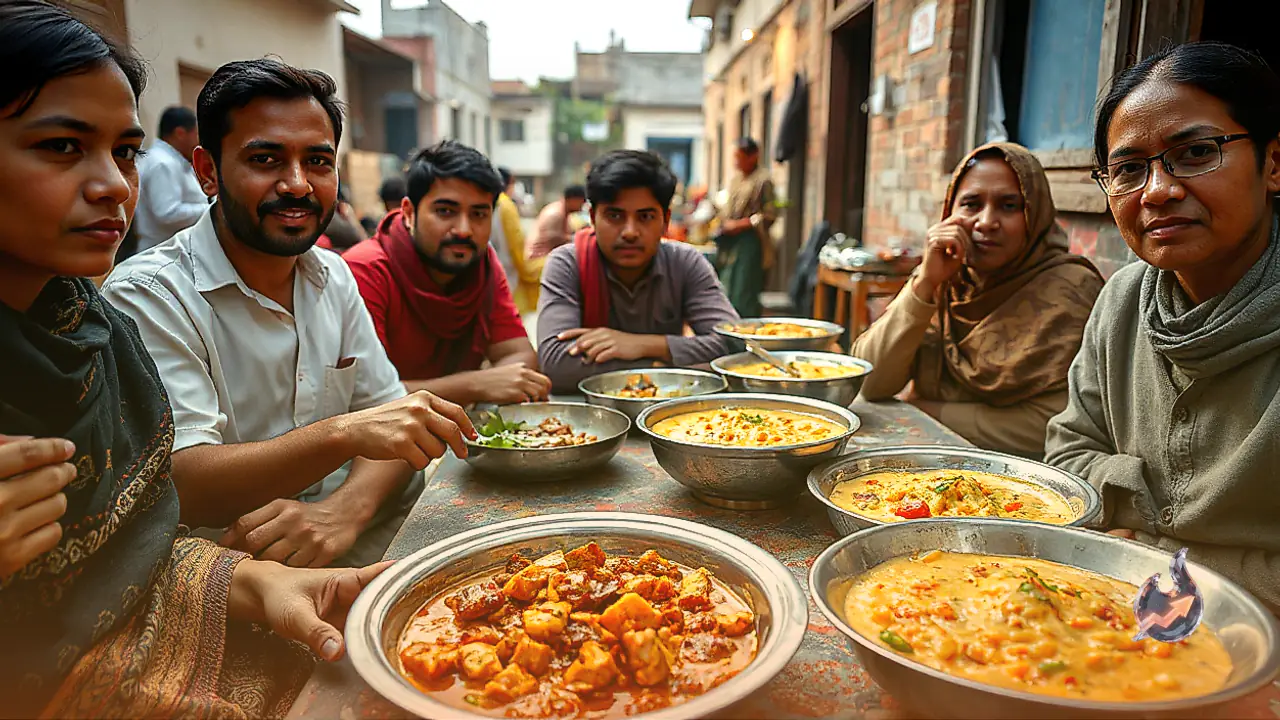
















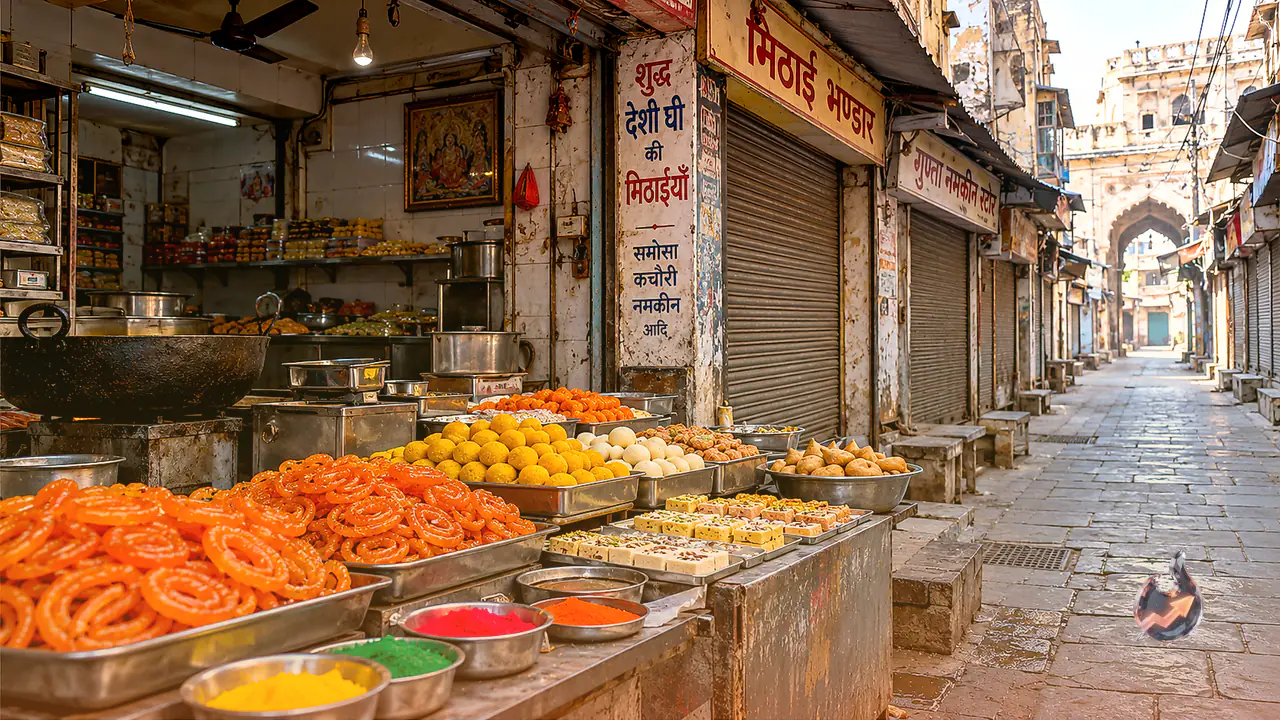

Brightly tinted roadside delicacies and festive sweets often carry a hidden hazard that extends far beyond ordinary adulteration. Across Uttar Pradesh, teams from the Food Safety and Drug Administration have stepped up surveillance and market inspections in response to the seasonal surge of counterfeit dairy items, substandard spices, and tainted mawa. A central focus of this regulatory enforcement is the widespread deployment of industrial-grade pigments in street stalls and eateries. From the fiery scarlet dipping sauces served beside momos and samosas to deeply colored tandoori chicken, vendors frequently turn to non-edible chemical colorants that pose direct toxic risks to human health.
The Transition From Wholesome Kitchen Extracts to Synthetic Dyes
Culinary aesthetics have a celebrated history, but traditional kitchens relied exclusively on natural produce to lend rich hues to delicacies. Classic recipes derived red tones from freshly stewed tomatoes or concentrated beetroot juice, while mint leaves and fresh coriander created the signature green shades of condiments. Elaborate desserts and festive confections depended on delicate rose petals, pure saffron strands, and kewra distillates to achieve appealing colors and distinct aromas. Over time, commercial pressures and cheap manufacturing alternatives led vendors to abandon these wholesome botanical extracts in favor of synthetic chemical dyes originally formulated for industrial manufacturing.
Banned Chemical Agents and Illicit Culinary Practices
Under food safety regulations, industrial coloring agents such as Rhodamine-B are strictly prohibited in any food preparation. Rhodamine-B is chemically manufactured for dyeing fabrics and coloring paper pulp, yet unscrupulous vendors continue to introduce it into edible snacks. Other hazardous and completely banned coloring agents include metanil yellow, malachite green, butter yellow, auramine, orange-2, and sudan dyes. These industrial agents surface unlawfully in confections, roadside sauces, and cotton candy to achieve bright pink or crimson tones, as well as in powdered turmeric, chili seasoning, and dried pulses to produce an artificial gloss. Sudan dyes have even been detected in packaged dipping sauces and edible cooking oils.
Health Hazards and Research on Rhodamine-B
Rhodamine-B dissolves effortlessly in water, allowing culinary vendors to easily blend it into marinades, gravies, and batter to impart an intense red appearance. The same chemical often finds its way into carnival cotton candy to make spun sugar visually enticing to young children. Medical data indicates that absorbing Rhodamine-B introduces dangerous toxicity into the human body. A scientific study conducted in Indonesia during 2020 established that exposure to this compound induces oxidative stress within biological cells and tissues. Extended consumption of Rhodamine-B can impair hepatic function, elevate liver damage, and increase the risk of developing malignant growths. Laboratory investigations on rodents also revealed that the compound causes damaging physiological effects on ovarian tissues.
Neurological and Allergic Impacts of Tartrazine and Carmoisine
Tartrazine is a synthetic yellow coloring agent that has been linked to severe adverse reactions, including chronic hives and acute food allergies. Individuals sensitive to the compound can develop visible swelling across the lips, tongue, neck, and throat. In 2015, an experimental study evaluated the impact of tartrazine on rodents and identified clear neurotoxic properties, demonstrating that the chemical can damage brain cells. Animals subjected to the dye exhibited significant declines in directional memory and spatial navigation. Similarly, carmoisine is an artificial coloring agent notorious for causing allergic responses, cutaneous swelling, and acute respiratory distress, presenting severe health risks to individuals living with asthma or chronic urticaria.
Clinical Insights and Established Food Safety Limits
Medical professionals urge consumers to exercise caution regarding regular intake of food prepared with chemical colors. Max Healthcare regional head of clinical nutrition and dietetics Ritika Samaddar noted that sustained consumption of items containing artificial dyes can induce systemic inflammation across the human body. Because of these inflammatory triggers, physicians strongly counsel arthritis patients to avoid artificial dyes and chemical preservatives. Young children are exceptionally vulnerable because they readily develop repetitive consumption habits around brightly colored treats like cotton candy. While medical research has not established a direct causal pathway between synthetic food coloring and human cancers, high-dose animal trials consistently display severe internal toxicity. The Food Safety and Standards Authority of India permits only designated natural coloring substances, including carotene, beta-carotene, carotenoids, canthaxanthin, chlorophyll, riboflavin, caramel, saffron, and curcumin. Furthermore, regulatory rules instituted in 2009 restrict synthetic food colors in approved beverages and edibles to a maximum ceiling of 100 parts per million. Consumers are advised to examine packaging labels closely and minimize regular exposure to synthetic additives.