






















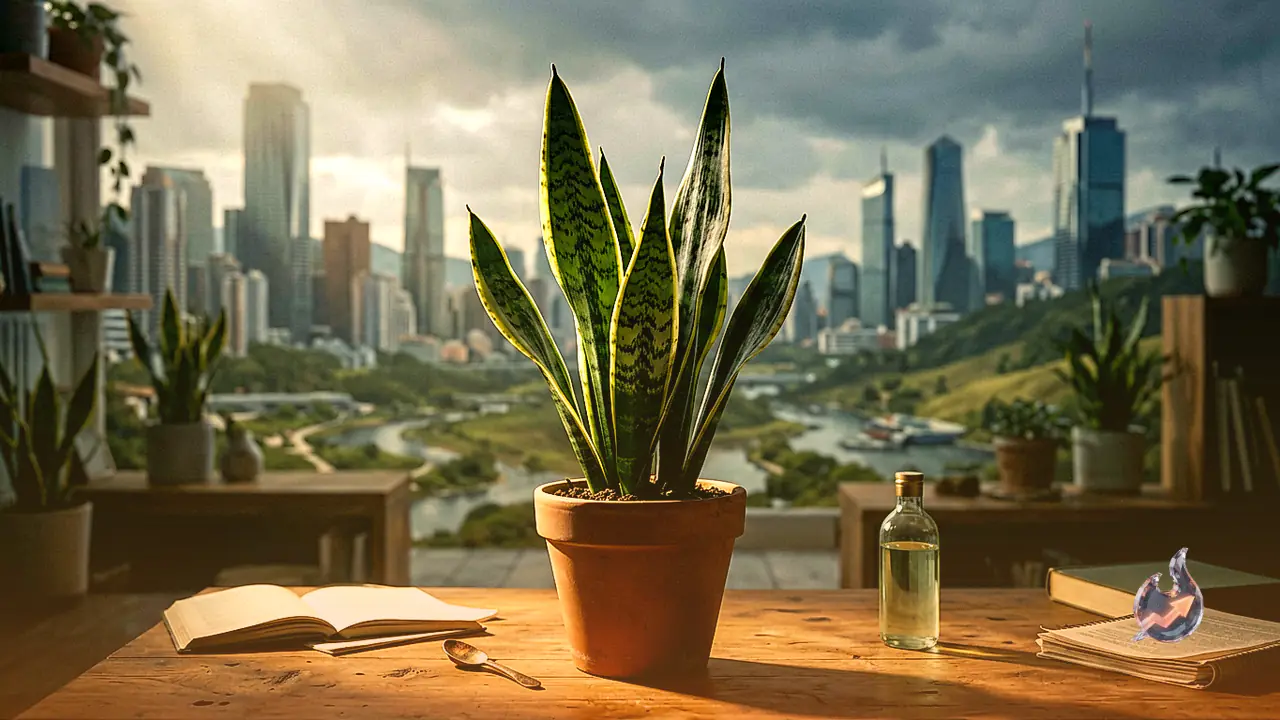

The snake plant is widely loved as an indoor choice because it enhances home aesthetics while requiring minimal maintenance to grow easily. However, neglecting its proper care can lead to common issues such as yellowing leaves or stunted growth. By keeping a few simple guidelines in mind, you can effortlessly keep your snake plant healthy, vibrant, and lush for a long time.
Essential Care Tips for Your Snake Plant
Water according to need: Snake plants do not require excessive amounts of water. Only water the plant when the top layer of soil appears completely dry. Frequent watering can cause moisture to accumulate in the roots, increasing the risk of root rot. Keep a slightly longer gap between watering sessions, especially during the winter and rainy seasons.
Protect from harsh sunlight: While snake plants can survive in low-light conditions, bright indirect light is considered ideal for their optimal growth. Place the plant in a spot that receives ample light, but ensure that harsh, direct afternoon sun does not fall directly on its leaves.
Ensure proper drainage in the pot: Choose a pot for your snake plant that features sufficient holes at the bottom for water outflow. Standing water inside the pot can rot the roots. Also, ensure the soil drains water efficiently.
Pay special attention to the soil: Use well-draining soil specifically suited for this plant. You can mix sand, perlite, or other drainage materials into regular potting mix to prevent excess water from pooling in the soil.
Clean the leaves: Periodically wipe the dust accumulated on the snake plant leaves using a soft and slightly damp cloth. This keeps the foliage clean and makes the plant look much more attractive.
Avoid over-fertilizing: Snake plants do not need heavy fertilization. A light application of balanced fertilizer can be given during the growing season. Applying too much fertilizer can harm the plant.
Prune yellow or damaged leaves: If any leaf has turned completely yellow or has begun to rot, cut it off cleanly using a pair of scissors. This helps redirect the plant's energy toward maintaining its healthy parts.