























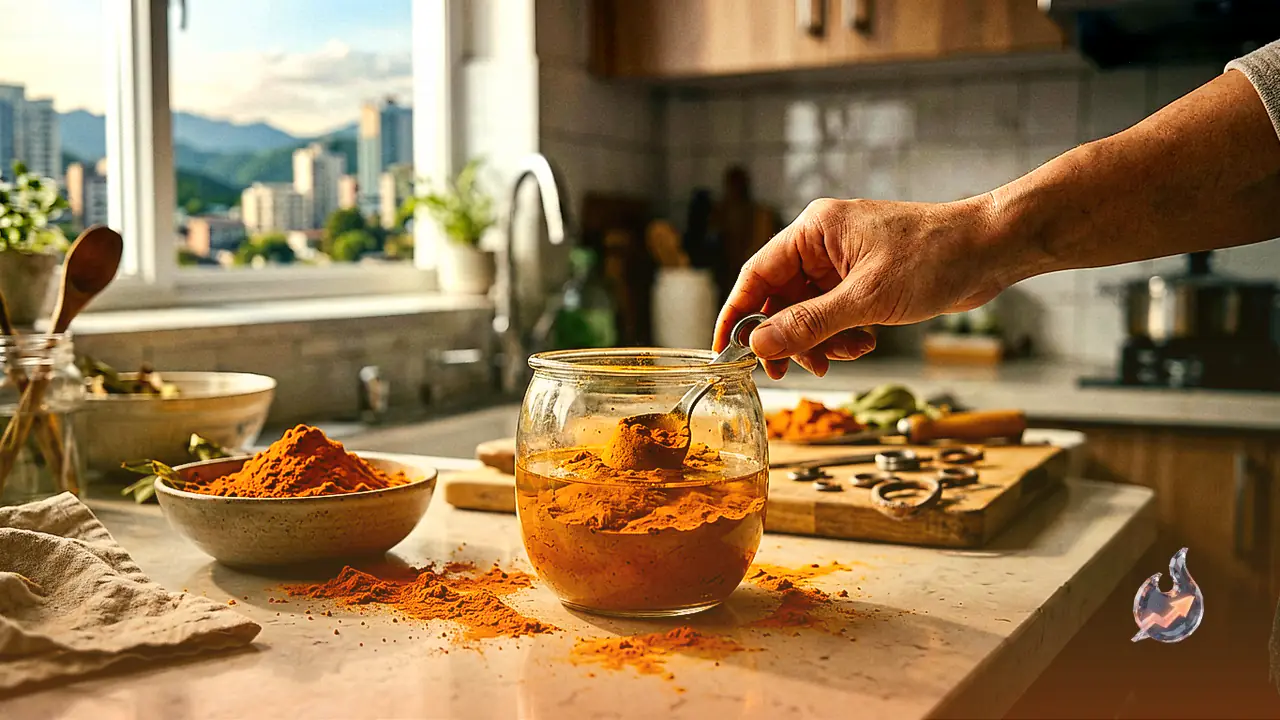

Turmeric is an indispensable spice in Indian households, playing a vital role in enhancing the color and flavor of daily lentils, vegetables, curries, and traditional dishes. Beyond culinary uses, Ayurveda considers turmeric to be exceptionally beneficial for health. For generations, it has been used in home remedies to treat common colds, injuries, inflammation, and various skin conditions. This is precisely why turmeric is viewed not just as a kitchen spice, but as a treasure trove of wellness.
The Rising Issue of Food Adulteration
In today's fast-paced world, food adulteration has emerged as a major problem, and turmeric is unfortunately no exception. To make turmeric powder look artificially bright or to increase its overall weight, unscrupulous elements often mix harmful substances that can pose serious risks to human health. Given these circumstances, verifying the purity of turmeric at the time of purchase has become absolutely essential.
Testing Turmeric Quality Using Water
One of the easiest ways to test the quality of turmeric at home is the water test. To perform this, take a glass of lukewarm water, add a spoonful of turmeric powder, and leave it undisturbed for a few minutes. If the turmeric is pure, it will slowly settle down at the bottom of the glass, and the water will turn a light yellow shade. However, if the powder contains artificial colors or other adulterants, the water may turn unusually dark, and the behavior of the powder will appear abnormal.
Checking Purity by Rubbing Between Palms
You can also examine turmeric purity by taking a small amount of the powder on your palm and rubbing it gently between your fingers. Pure turmeric generally feels soft and smooth to the touch. If you notice any roughness, grittiness, or a texture resembling soil, it strongly indicates that chalk powder, yellow soil, or other foreign materials have been mixed into it. However, this method is primarily useful for initial screening.
Identifying Dangerous Chemical Adulterants
In certain cases, an artificial coloring agent known as metanil yellow is mixed into turmeric, which is considered hazardous to health. Detecting such substances often requires careful laboratory-level testing. If hydrochloric acid is added to a sample and the color turns pink, purple, or magenta, it points directly toward chemical adulteration. It is important to note that handling such strong chemicals requires extreme caution and should ideally be done under expert supervision.
Important Precautions When Buying Turmeric
Always purchase turmeric from trusted brands or reliable local vendors. When buying packaged items, carefully check the quality labels, manufacturing details, and ingredient lists. Never make the mistake of buying turmeric solely based on an excessively bright appearance, as extreme artificial glossiness is frequently a warning sign of adulteration and chemical treatment.