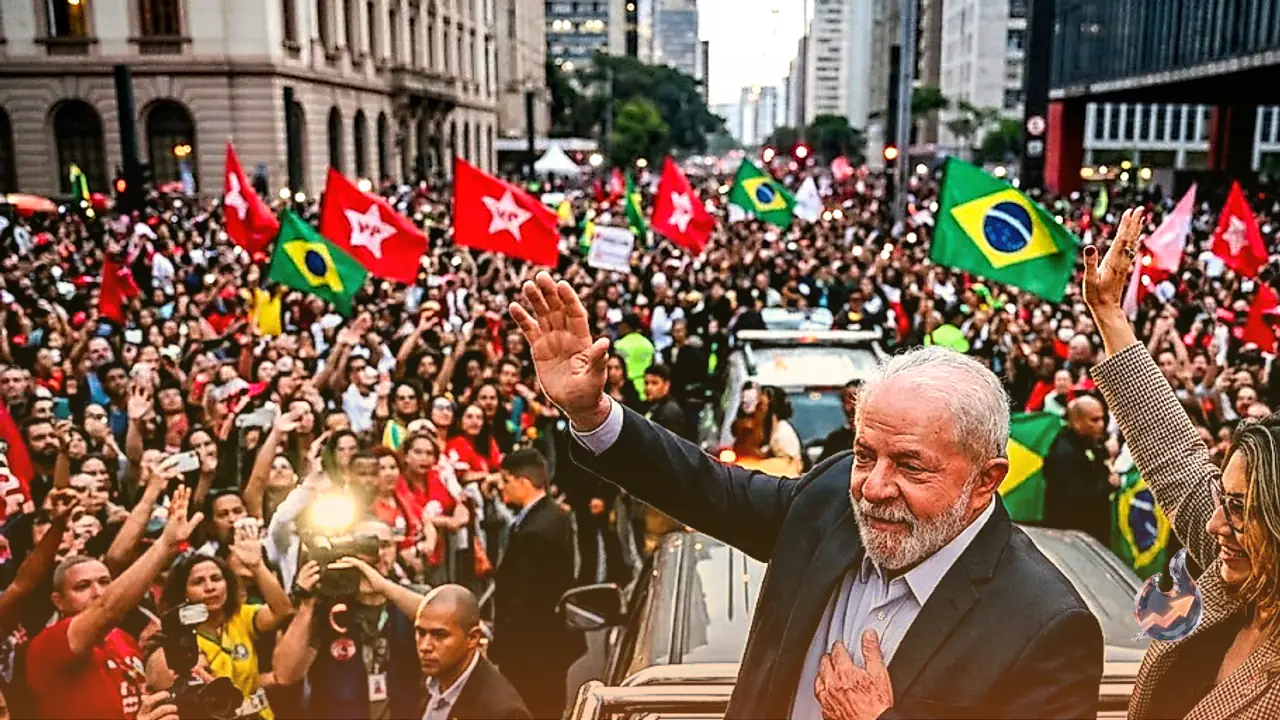



















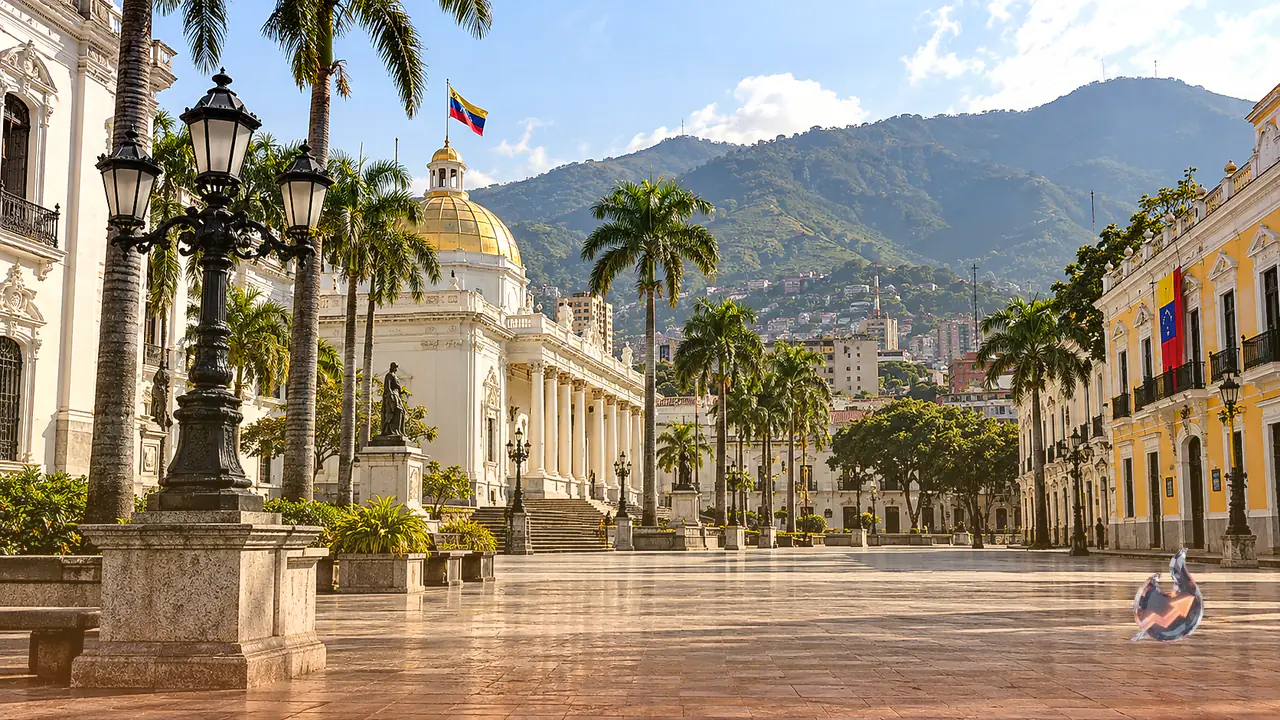

A fresh chapter has begun in Venezuelan politics as opposition leader María Corina Machado returned to her homeland following months spent in exile. Traveling through roads lined with enthusiastic supporters from the western state of Lara all the way to the capital of Caracas, her homecoming stood in stark contrast to her clandestine departure ten months prior. At that time, she slipped out under the cover of night to receive the Nobel Peace Prize in Oslo, unable to return due to roadblocks imposed by the Venezuelan government and a Trump administration that previously insisted the timing was inappropriate.
A Jubilant Welcome Across the Streets of Caracas
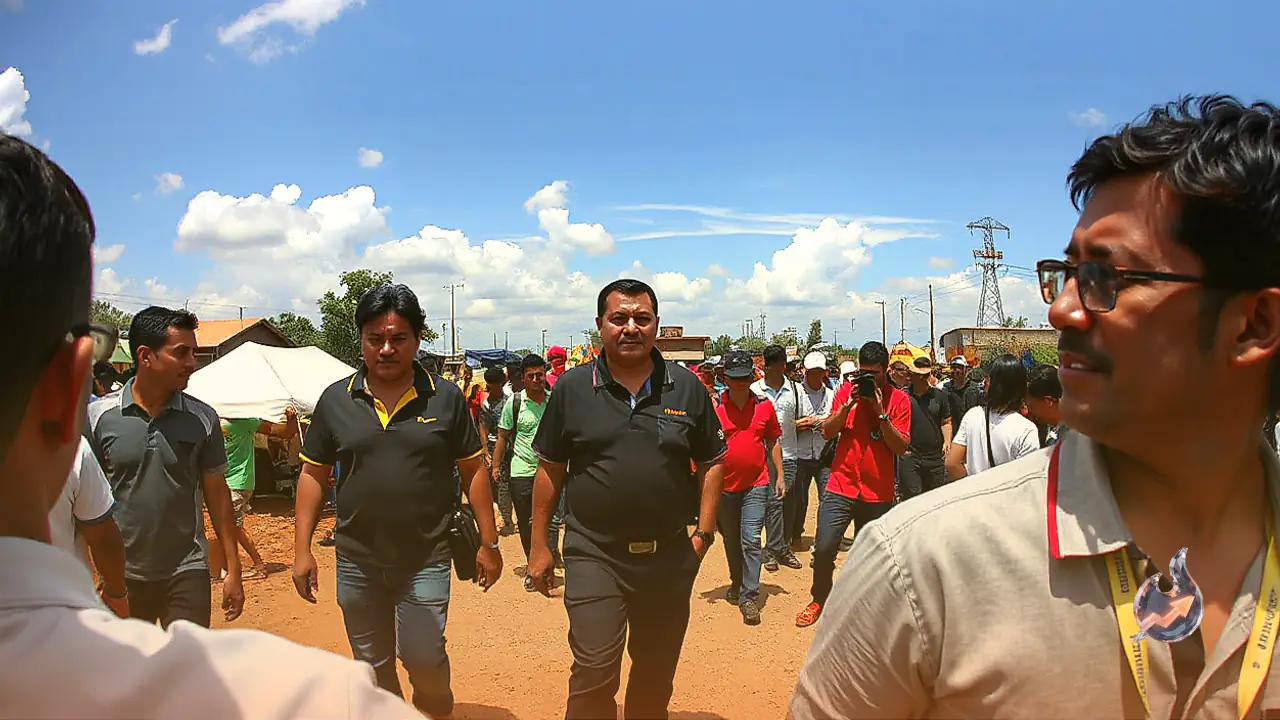
The streets of the capital buzzed with vibrant energy as crowds gathered to catch a glimpse of the returning politician. Twenty-year-old Gregory Noriega, wearing a sweatshirt featuring the emblem of the Vente Venezuela opposition movement, described her as the undisputed leader whose return represents renewed hope. Eighteen-year-old Hilary noted that this marks a vital step forward in the electoral process anticipated since the previous year. Her friend Manuel added that Machado has reappeared right when the nation needs her most, demonstrating collectively that the public is no longer afraid.
The Fall of Nicolas Maduro and a Reimagined Bilateral Dynamic
The political reality greeting Machado upon her arrival bears little resemblance to the landscape she left behind. Former President Nicolás Maduro was forcibly removed from power by US troops on January 3 and transported to New York, where he faces federal charges of drug trafficking, weapons offenses, and torture, to which he has pleaded not guilty. He was succeeded by his former vice-president, Delcy Rodríguez, who has fundamentally reshaped diplomatic ties with Washington. The decades of bitter hostility defining the eras of Hugo Chávez and Maduro have given way to an entirely unprecedented diplomatic rapport.
A Landmark Oil Pact and Strategic Alliances
The Trump administration recently finalized a massive energy agreement with Venezuela, granting the United States a 100-year concession over an estimated 65 billion barrels of crude oil. The pact was brokered alongside a Venezuelan private entity named North American Blue Energy Partners, headed by businessman Alejandro Betancourt. Machado has voiced public criticism over the terms arranged between Caracas and Washington, though she has carefully directed her grievances toward the local government and Betancourt rather than President Donald Trump, whose vital backing she hopes to secure.
Shifting Domestic Tides and Political Analysis
Prominent Venezuelan political analyst Benigno Alarcón observed that the return of María Corina Machado is arguably the most significant political development since January 3, anchoring the nation's primary leader firmly on home soil rather than abroad. Data from local think tanks Polis and Nexo indicates that street demonstrations surged in the first nine months of the year to three times the total volume recorded throughout the previous year, addressing everything from labor rights to basic water utility shortages. Simultaneously, documented state repression against these public gatherings has dropped by more than fifty percent.
International Diplomacy and Washington Backing
Her reentry into domestic politics unfolds against the backdrop of broader reconciliation talks facilitated by Washington between the central government and opposition factions. US Secretary of State Marco Rubio quickly attributed her safe passage home as a direct outcome of these US-backed dialogues. Despite facing enduring domestic charges ranging from treason to insurrection, allegations long dismissed by her camp as politically motivated, Machado now moves with the tacit approval of the White House—a reality that interim leader Delcy Rodríguez is neither willing nor positioned to actively challenge.
Navigating an Irreversible Political Transition
While state television ignored the cross-country caravan and Rodríguez publicly dismissed the events as a theatrical display, the interim president recognizes the necessity of maintaining stability with Washington to avoid her predecessor's fate. Reports indicate that key policy decisions in the oil-dependent nation remain closely coordinated through direct communications with US officials. For the thousands of young citizens who filled the capital to celebrate, Machado's homecoming symbolizes an irreversible shift away from decades of fear and toward an entirely new democratic horizon.