























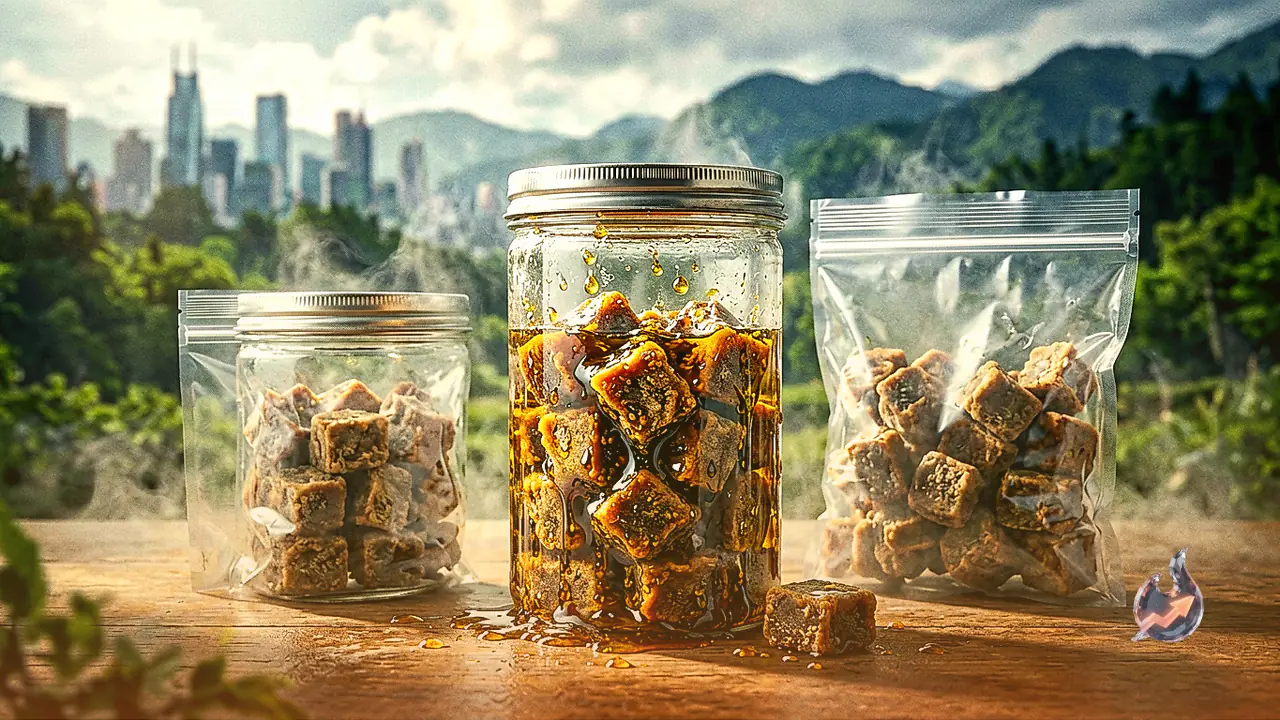

Jaggery holds a permanent spot in traditional Indian kitchens, serving as an unrefined sweetener for daily tea, laddus, kheer, and various traditional desserts. Many households also enjoy a small piece after meals for its digestional benefits. However, households in regions like Bhilwara face a recurring issue during the rainy season and humid months. Stored jaggery often turns soft within days, developing a sticky outer coating and appearing to melt. By understanding why jaggery reacts to environmental humidity and implementing targeted storage methods, it is possible to keep it firm and fresh throughout the monsoon.
Why Humidity and Moisture Cause Jaggery to Melt
The primary reason jaggery loses its hard texture boils down to its natural hygroscopic property, which causes it to readily attract and absorb environmental moisture. When exposed to damp air during monsoon weather, jaggery continuously draws water molecules from its surroundings. This absorption gradually softens a solid block, making its surface moist and tacky. Under high humidity, the outer layer can dissolve into a thick, syrup-like liquid. Consequently, jaggery left uncovered or stored in loose packaging deteriorates rapidly.
Using Airtight Containers and Choosing the Right Spot
Protecting jaggery from dampness requires keeping it completely isolated from ambient air. Immediately after opening any commercial package, transfer the contents into a sturdy airtight container. The lid must form an impermeable seal to block surrounding humidity from sneaking inside. High-quality glass jars or food-grade containers with tight lids work exceptionally well for this purpose. Placement is equally vital: always store the sealed container in a cool, dry, and dark pantry away from ambient temperature fluctuations.
Why Keeping Jaggery in the Refrigerator Is a Mistake
A frequent mistake many people make is storing jaggery inside the refrigerator to prevent melting. While cold air prevents moisture absorption temporarily, the extreme chill hardens the jaggery excessively, making it almost impossible to break or slice when needed. Furthermore, bringing cold jaggery out into room temperature creates instant condensation on its outer surface. This moisture layer actually accelerates stickiness once the container warms up. Storing jaggery at room temperature inside a dry, airtight vessel remains the safest option.
Smart Double Storage Method for Large Jaggery Blocks
If you purchase jaggery in large blocks, portioning it into smaller usable pieces before storage is practical. For extended preservation, adopt a double-barrier technique. First, place the smaller pieces inside a sealable zip pouch and press out all trapped air before closing it tightly. Next, deposit the sealed zip bag into a solid airtight container. This two-layer setup provides maximum protection against damp air. Additionally, keep jaggery far from kitchen stoves, sinks, or steam-heavy cooking zones. Never leave jaggery in open bowls or unsealed bags during rain.
Safe Microwave Trick to Soften Hard Jaggery in Seconds
When jaggery turns extremely hard during dry storage, extracting a tiny piece can be frustrating. Rather than applying heavy force to shatter the block, you can soften it slightly using gentle heat. Place the hardened portion into a microwave-safe bowl and heat it for just 10 to 15 seconds. This brief exposure warms the outer matrix slightly, allowing a knife to slice through smoothly. Take care not to exceed 15 seconds, as excessive heat will cause the sugars to melt into a hot, sticky mess.