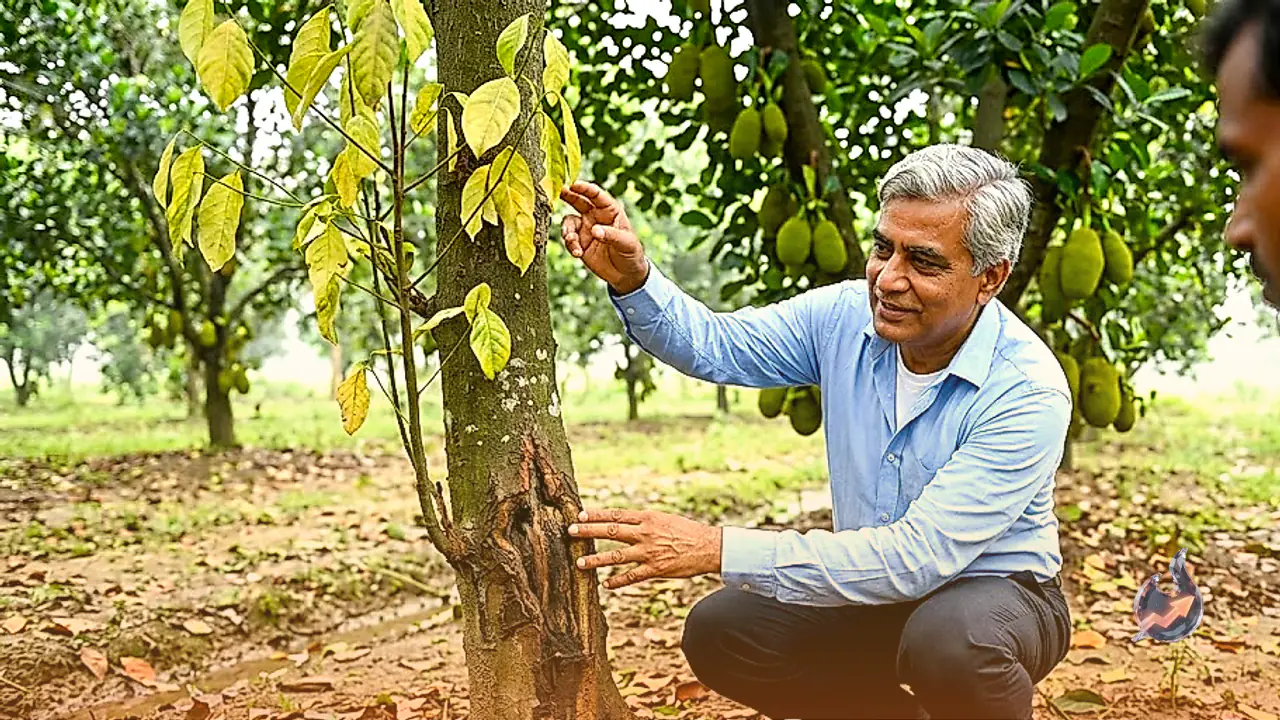























Recent viral videos on social media platforms depicting insects inside guavas have sparked widespread concerns among fruit buyers. Many consumers are left wondering how to ensure that a fruit looking vibrant and green on the outside is not rotten or infested within. Addressing these growing doubts, Qadir, a Prayagraj-based fruit merchant and horticulture expert, has detailed a set of straightforward guidelines. By paying attention to a few basic details while shopping, buyers can easily identify fresh, high-quality guavas during the season.
Avoid Buying Overly Soft or Crushed Guavas
When selecting guavas, the first step is to evaluate their outer texture and firmness. According to Qadir, consumers should refrain from purchasing fruits that are heavily pressed, excessively soft, or showing spots of decay. While picking up the fruit at the stall, apply gentle pressure with your fingers. If the guava feels unusually squishy or loses its original shape upon being touched, it indicates that the fruit is either overripe or beginning to spoil internally. Such fruits carry a significantly higher risk of internal rot or insect infestation.
Inspect Peel for Holes, Spots, and Abnormal Damage
A thorough visual examination of the entire surface area is crucial during purchase. If you spot tiny pinholes, abnormal black or brown patches, rotting spots, or fluid leaking from any part of the fruit, it is best to set it aside. Pests such as fruit flies often damage guavas by piercing the outer skin, leaving visible marks. However, external appearance alone does not guarantee a completely insect-free core every single time. Purchasing from a trusted, reputable seller who sells well-sorted fresh produce remains a more reliable approach.
Recognize Freshness Through Color Variations and Natural Aroma
The color of a guava can vary depending on its specific variety. Generally, as the fruit matures, its color transitions from a deep green to a lighter shade of green or yellowish tint. Fruits that appear overly yellow, wrinkled, or wilted are likely old stock. On the other hand, fresh and naturally ripened guavas emit a subtle, pleasant natural aroma. Evaluating both the skin shade and the scent provides a dependable gauge of freshness before making a purchase.
Post Purchase Care: Inspecting the Internal Pulp Before Eating
Even after buying guavas, taking proper precautions at home is vital. Always wash the fruits thoroughly under clean running water before consumption. Cut the guava into slices and carefully examine the internal pulp. A healthy guava displays uniform pulp color. If you notice unusual internal tunnels, severe browning, rot, or visible insects after slicing, discard the fruit immediately. Discarding any suspicious fruit is the safest measure to prevent health issues.
Expert Advice: Take Your Time and Choose Carefully
Consumers should avoid making quick buying decisions based solely on the size or exterior shine of the fruit. Always assess the texture, peel condition, firmness, and any warning signs of damage. If needed, purchase smaller quantities at first and verify the quality at home after slicing them open. Rather than avoiding guavas altogether due to viral videos, following basic steps like careful selection, thorough washing, and internal inspection ensures a safe eating experience.