






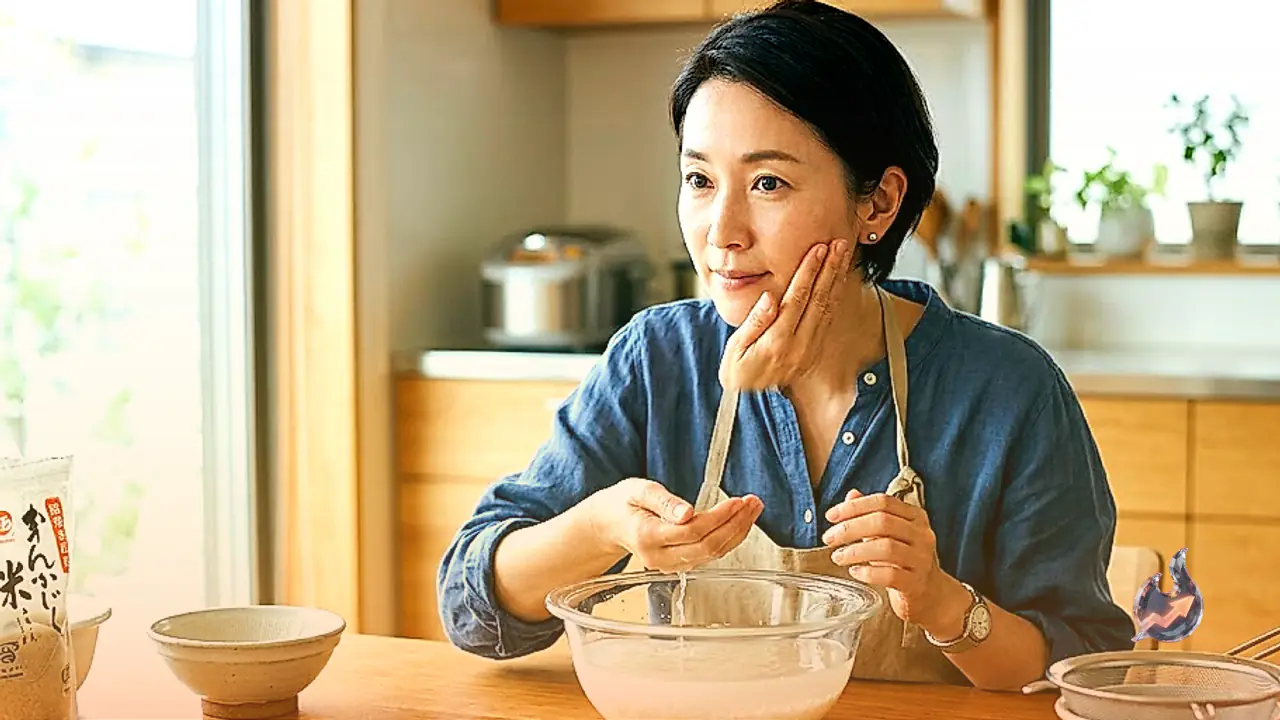
















Experiencing tightness, dullness, or rough texture right after washing your face is a frequent skincare complaint. Environmental changes, harsh cleansers, or a compromised moisture barrier can easily strip the skin of its natural oils. Instead of turning directly to costly cosmetic treatments, a simple remedy resting in your kitchen pantry can offer significant relief. In Japan, rice water has been an integral part of traditional beauty regimens for centuries, celebrated for its accessibility and gentle nourishing properties.
Why Rice Water Benefits the Skin
When raw rice is soaked in clean water, many of its water-soluble nutrients infuse directly into the liquid. This milky solution is rich in starch, amino acids, antioxidants, and derivatives of vitamins B and E. These bioactive compounds work together to reinforce the skin barrier and lock in essential moisture.
The gentle starch content helps soothe dry surfaces, leaving the complexion feeling supple and soft. Early research also indicates that rice by-products can provide a calming effect on irritated skin. While it should not be viewed as a miraculous cure-all for complex dermatological conditions, it serves as an effective, low-cost supplementary toner in everyday skincare.
How to Prepare Simple Rice Water at Home
Creating your own batch of fresh rice water requires minimal effort and no specialized equipment. Follow these simple steps for optimal results
- Rinsing the Grains: Measure out half a cup of uncooked rice. Rinse it thoroughly under clean water once or twice to eliminate surface dust, residues, and impurities.
- Soaking Phase: Place the cleaned rice into a bowl and pour in approximately one cup of fresh drinking water. Allow the mixture to rest undisturbed for about 30 minutes so the nutrients release into the liquid.
- Gentle Kneading and Straining: After half an hour, gently rub and press the grains with clean fingers to further dissolve the starches into the water. Strain the liquid through a fine sieve into a sterilized glass bottle or jar.
- Performing a Patch Test: Before applying the solution over your entire face, dab a small amount onto your inner arm or jawline to ensure your skin exhibits no allergic reaction or irritation.
The Fermentation Method
Many traditional practitioners prefer fermented rice water over plain soaked water, noting that fermentation can enhance nutrient potency and balance acidity levels.
To ferment your batch, seal the freshly strained rice water in a clean glass container and allow it to sit at room temperature for 24 to 48 hours. As the liquid ferments, you will notice a subtle change in texture and a slightly sour aroma. Once fermentation is complete, store the container inside the refrigerator to halt the process. Homemade fermented rice water should always be used within seven days to ensure safety and freshness.
Application Techniques and Key Precautions
To use the rice water, start with a thoroughly cleansed face. Soak a clean cotton pad in the solution and gently sweep or pat it across your face and neck. Some individuals leave it on for several minutes before rinsing with cool water, while others allow it to absorb completely like a natural toner.
If your skin responds well, this solution can easily fit into your regular morning or evening regimen. However, it is essential to manage expectations: rice water is not an absolute cure for severe acne breakouts, deep pigmentation, or prominent aging lines. Should you notice any redness, itching, stinging, or worsening blemishes, discontinue use immediately.
Hygiene and Storage Guidelines
Because homemade preparations lack synthetic preservatives, maintaining strict cleanliness is vital. Always store your rice water in clean, airtight glass jars and avoid dipping unwashed fingers directly into the liquid. If the solution shows any signs of mold, discoloration, foul odor, or an altered consistency, discard it right away and brew a fresh batch.