























With the conclusion of the monsoon season, late September and early October serve as a pivotal window for home gardening enthusiasts. Winter is widely regarded as the most spectacular period for decorative flora, as a wide variety of seasonal flowering and ornamental foliage plants thrive in cooler temperatures. Preparing early ensures that seeds germinate properly and young seedlings mature in time to deliver vibrant blooms throughout December and January. Initiating seed sowing before September concludes is the secret to a thriving, fragrant domestic garden during the colder months.
Brighten Low-Light Corners with Cineraria
Balcony corners and shaded courtyards often pose a challenge for winter flowers that typically demand full sun. According to Dr D S Srivastava, an agricultural expert based in Palamu district, cineraria stands out as an exceptional cool-weather ornamental choice for spaces with limited direct sunlight. Even in partially shaded settings where direct rays are sparse, cineraria develops healthy foliage and clusters of dense, colorful blossoms. As long as the plant receives consistent moisture and sensible care, it continues to put out vibrant clusters through the darkest days of the winter season.
Container Choices for Nemesia and Daisy
Introducing varied heights and container textures brings dynamic depth to any domestic layout. Nemesia thrives when positioned in spots receiving approximately three to four hours of daily sunlight. It adapts comfortably to compact spaces and needs only a six to seven inch container to deliver abundant blooms. Alongside it, the classic daisy, commonly known as gulbahar, represents another dependable winter staple. Daisies do remarkably well in six to eight inch pots or wide shallow trays. Getting daisy seeds settled into growing medium by the close of September ensures robust root networks capable of supporting prolonged budding through chilly weather.
Delicate Handling for Microscopic Petunia Seeds
Petunia remains a timeless centerpiece of winter gardens, yet starting it from seed demands patience and meticulous care. Petunia seeds are extraordinarily minute, resembling fine specks of dust, which makes traditional overhead watering hazardous to their survival. Forceful water streams dislodge the tiny grains or bury them too deep beneath the soil line to sprout. The recommended approach involves bottom-watering seedling trays by resting them in shallow pans of water, allowing the soil medium to draw up moisture naturally through capillary action. Once mature, these versatile plants perform equally well in standard pots or cascading outdoor hanging baskets.
Seed Priming Techniques for Towering Lupin
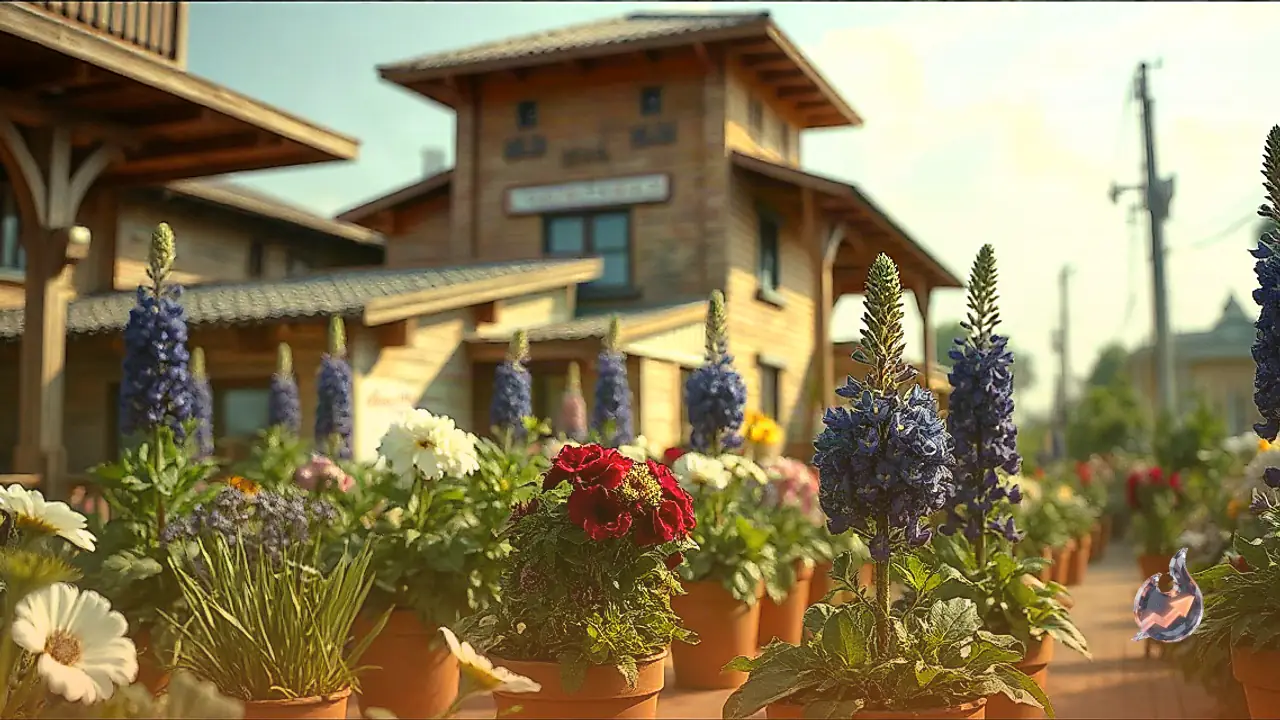
Gardeners seeking architectural presence and upright spikes often turn to lupin, whose tall flower towers create dramatic focal points. However, lupin seeds possess an unusually rigid external coat that can delay natural germination. To speed up the process, lightly abrade the seed exterior with fine sandpaper before soaking the seeds in clean water for six to seven hours. Because lupin taproots resent disturbance, sow the primed seeds directly into their final growing containers. A substantial pot measuring 10 to 12 inches across, situated where it can absorb three to four hours of direct light each day, provides the necessary depth for strong vertical growth.
Formulating an Aerated Potting Mix
A seedling's ultimate vigor depends heavily on the structure and aeration of the starting substrate. Dr D S Srivastava cautions against sowing delicate seeds directly into heavy garden loam, which compacts easily and restricts root respiration. Instead, prepare a friable, lightweight potting blend comprising roughly 60 percent cocopeat, 30 percent vermicompost, and 10 percent sand. Cocopeat retains necessary moisture, vermicompost supplies gentle balanced nutrients, and coarse sand guarantees efficient drainage. Adding a pinch of turmeric powder into this mixture offers a natural antifungal shield, significantly reducing the danger of damping-off and root rot among emerging sprouts.
Rejuvenating Old Soil and Chemical Fertilizer Cautions
Reusing potting soil from previous seasons requires replenishing depleted organic matter by thoroughly blending in generous measures of vermicompost. At the same time, growers must exercise strict restraint regarding artificial chemical inputs in confined container environments. Concentrated chemical fertilizers, notably DAP or urea, should never be introduced haphazardly without calculating precise dosages. Excessive chemical applications readily scorch sensitive feeder roots, causing rapid desiccation and irreversible plant failure. Thoughtful groundwork in September, matched with disciplined irrigation and gentle nutrition, guarantees an abundant winter display.