























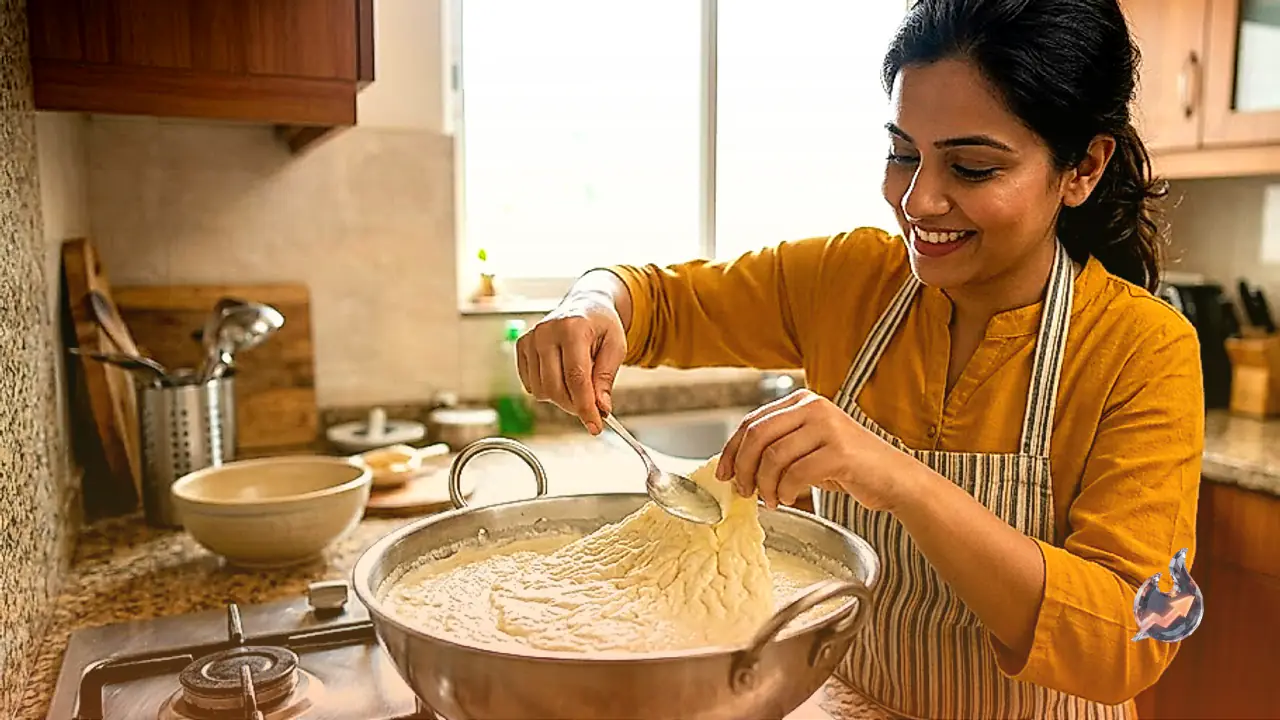

Whether preparing morning tea or making delicious homemade sweets, rich and thick milk is preferred in almost every household. When a thick layer of cream, commonly known as malai, forms over boiled milk, it can be conveniently collected to make fresh homemade butter, pure ghee, lassi, and traditional desserts. However, many people notice that even after boiling and keeping the milk for hours, only a very thin layer forms on top. Getting a thick cream layer does not require any expensive milk powders, artificial thickeners, or complex equipment. By making minor adjustments to the way milk is selected, boiled, and cooled down, anyone can easily obtain a dense cream layer every single day.
Choosing the Right Type of Milk for Maximum Cream
The first and most crucial factor in obtaining a thick cream layer is selecting the appropriate quality of milk. Malai consists primarily of the milk's natural butterfat, meaning that milk with a higher fat percentage will naturally yield a significantly thicker layer of cream. If sourcing fresh milk from a local dairy, always opt for full-fat or whole milk rather than toned or double-toned variants, as reduced-fat milk lacks sufficient fat content to form a heavy top layer. For packaged milk consumers, choosing full-cream pasteurized milk is essential to achieve the desired thickness and texture.
Boiling Method and Choosing the Right Utensils
The choice of cooking vessel and heating technique plays a vital role in cream separation. Always boil milk in a heavy-bottomed pan or thick vessel to prevent it from scorching at the base. Place the milk over medium flame until it reaches a complete boil. Once it starts boiling, reduce the heat to low and allow it to simmer gently for two to three minutes. Stir the milk occasionally with a spoon during simmering so that it does not stick to the bottom. This brief simmering period helps excess moisture evaporate while allowing fat globules to rise naturally toward the surface.
Steam Management and Using Wide Vessels
After turning off the stove, avoid covering the hot milk immediately with a tight lid. Covering hot milk causes trapped steam to condense into water droplets that fall back into the pan, diluting the forming cream layer. Instead, let the milk rest uncovered for a few minutes so that initial steam escapes freely. Next, transfer the milk into a wide, shallow vessel. A wide container provides a larger surface area compared to a deep and narrow pot, allowing the rising fat layer to spread evenly and form a unified, thick sheet of cream.
Undisturbed Cooling and Refrigeration Technique
Allow the transferred milk to cool down to room temperature without any movement. It is critical not to disturb, shake, or stir the milk while it cools, as any disturbance breaks the delicate fat film developing on top. Once cooled to room temperature, cover the vessel with a breathable mesh lid or wire screen and carefully transfer it into the refrigerator. Leaving the milk undisturbed in the fridge overnight or for at least seven to eight hours hardens the cream layer into a solid, thick sheet that can be effortlessly lifted off the top in the morning.
Common Mistakes That Thin Out Malai and Hygiene Tips
Several common habits prevent cream from solidifying properly. Repeatedly re-boiling milk throughout the day, stirring continuously during the cooling phase, using low-fat milk, or storing milk in deep, narrow jugs all result in thin cream. Cleanliness and temperature management are equally important for health and safety. Always store milk and collected cream in clean, dry containers inside a properly functioning refrigerator. If milk exhibits any sour odor, altered taste, or signs of curdling, discard it immediately. By following these clean, simple steps, homemakers can easily gather surplus high-quality cream for everyday kitchen needs.