























It is a common household challenge for chapatis prepared during the morning or lunch hours to become stiff, dry, or crusty by the time evening snacks or dinner arrives. The edges often turn so hard that chewing them becomes difficult. However, by introducing a few effective adjustments to how you knead dough and store baked flatbreads, morning chapatis can remain as soft and fresh as freshly baked ones until late in the day.
Effective Tips for Kneading the Dough
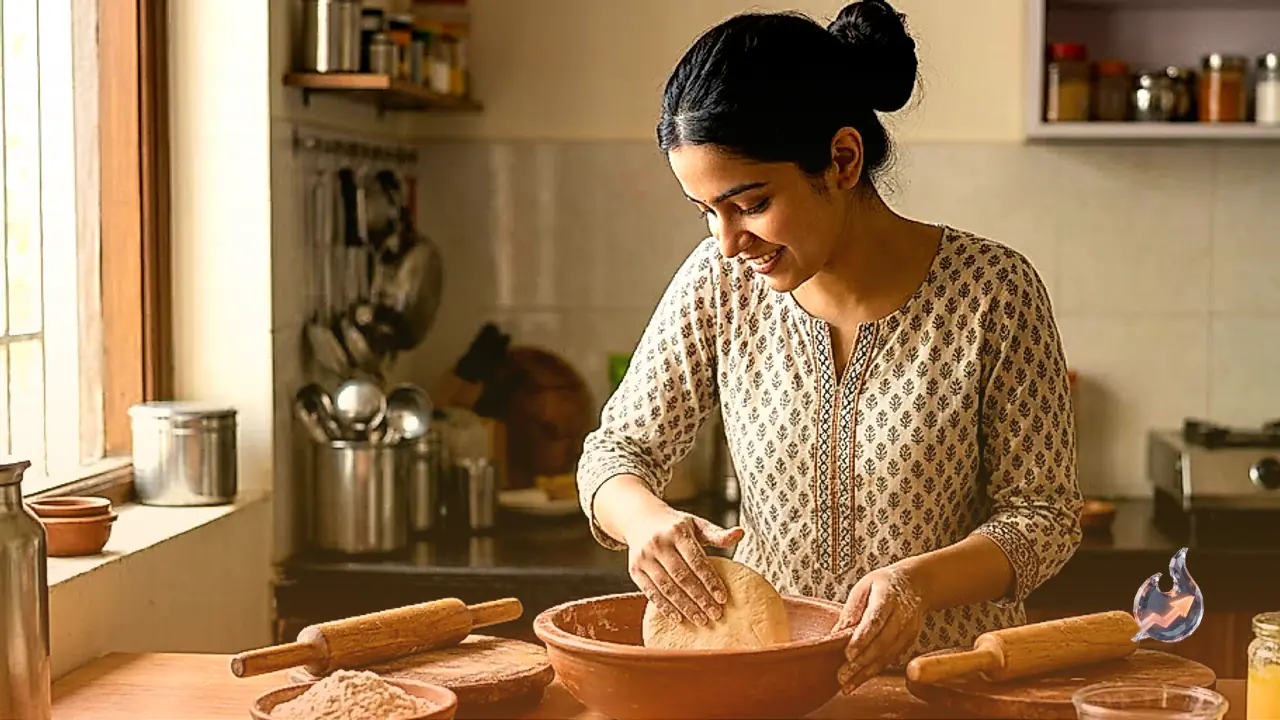
The foundation of soft and pliable chapatis begins with dough preparation. If the dough lacks sufficient hydration or elastic structure, the chapatis naturally dry out rapidly after cooling down.
Incorporate Lukewarm Milk or Curd: Instead of using plain water to knead the wheat flour, consider using lukewarm milk. Alternatively, mixing 1 to 2 tablespoons of fresh curd into the flour works exceptionally well. The proteins and natural fats present in milk and curd soften the flour strands, ensuring the chapatis retain their tender texture for extended periods.
Add Oil or Ghee: Adding a teaspoon of melted ghee or cooking oil while kneading helps seal moisture inside the dough mixture.
Maintain Soft Dough Consistency and Rest Time: Avoid kneading an overly firm or stiff dough, as chapatis made from hard dough solidify quickly upon cooling. Aim for a supple, flexible texture. Once kneaded, cover the dough with a damp cotton cloth and allow it to rest for 15 to 20 minutes before rolling out the chapatis. This resting phase relaxes the gluten network and optimizes moisture retention.
Proper Storage Methods for Baked Chapatis
How chapatis are stored immediately after baking plays a critical role in preserving their texture. Direct contact with cold metal containers often causes sogginess from trapped condensation or rapid moisture loss.
Wrap in Cotton or Muslin Cloth: Never place hot chapatis directly onto a stainless steel container or standard hot pot. Line the base of the container with a clean cotton or muslin cloth first. Wrap the cooked chapatis inside the cloth before securing the lid. The cloth absorbs excess steam droplets without letting the bread turn soggy, keeping the moisture balanced and the texture soft.
Apply Ghee or Butter Immediately: Lightly brushing each chapati with ghee or butter right after taking it off the griddle creates a protective moisture barrier. This prevents internal water content from evaporating, keeping the bread fresh for hours.
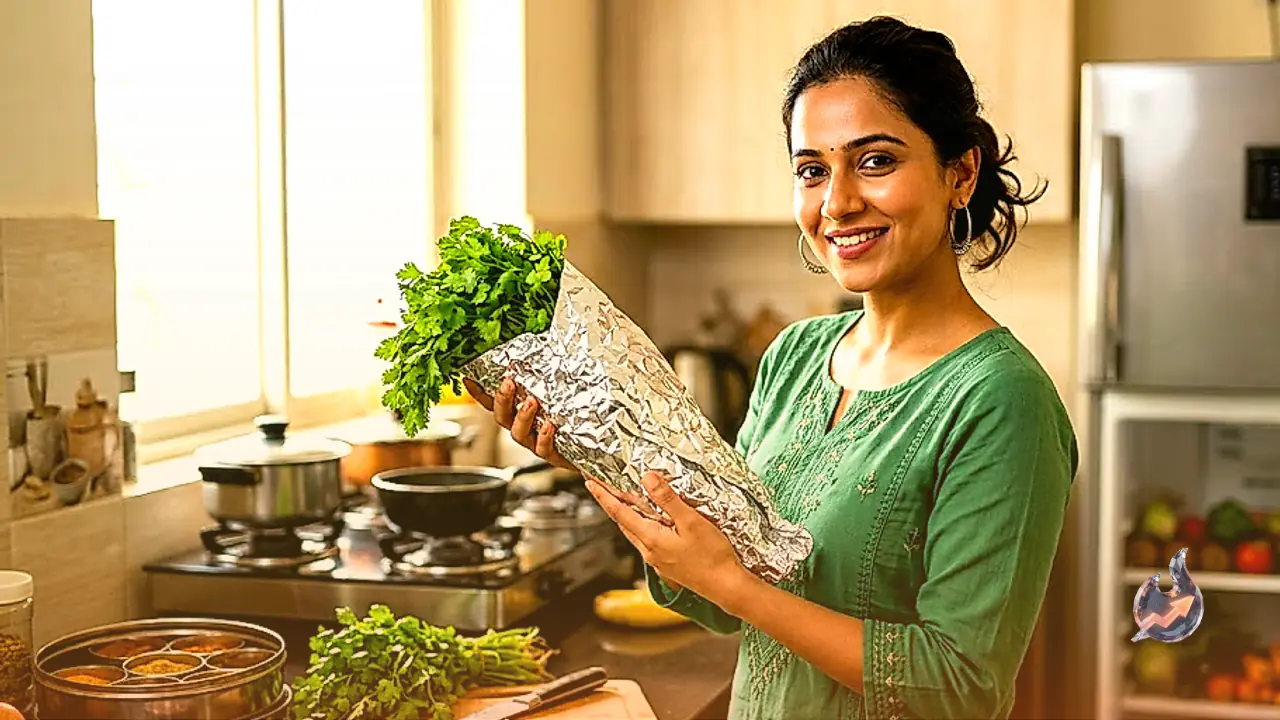
Use Aluminium Foil with Airtight Containers: If an insulated casserole is unavailable, wrap the cloth-bound chapatis in aluminium foil paper and place them inside an airtight container. This dual layer locks in temperature and humidity effectively.
Correct Techniques for Reheating Cold Chapatis
When reheating morning chapatis for dinner, following the right method restores their original softness without making them tough.
Reheating on a Griddle (Tawa): Place the cold chapati on a griddle set over low heat after sprinkling a few drops of water or applying a tiny amount of ghee over its surface. The subtle steam generated restores flexibility.
Reheating in a Microwave: Wrap the chapati in a slightly damp paper towel and microwave it for just 10 to 15 seconds. This brief steaming effect makes the chapati instantly soft and pliable again.