























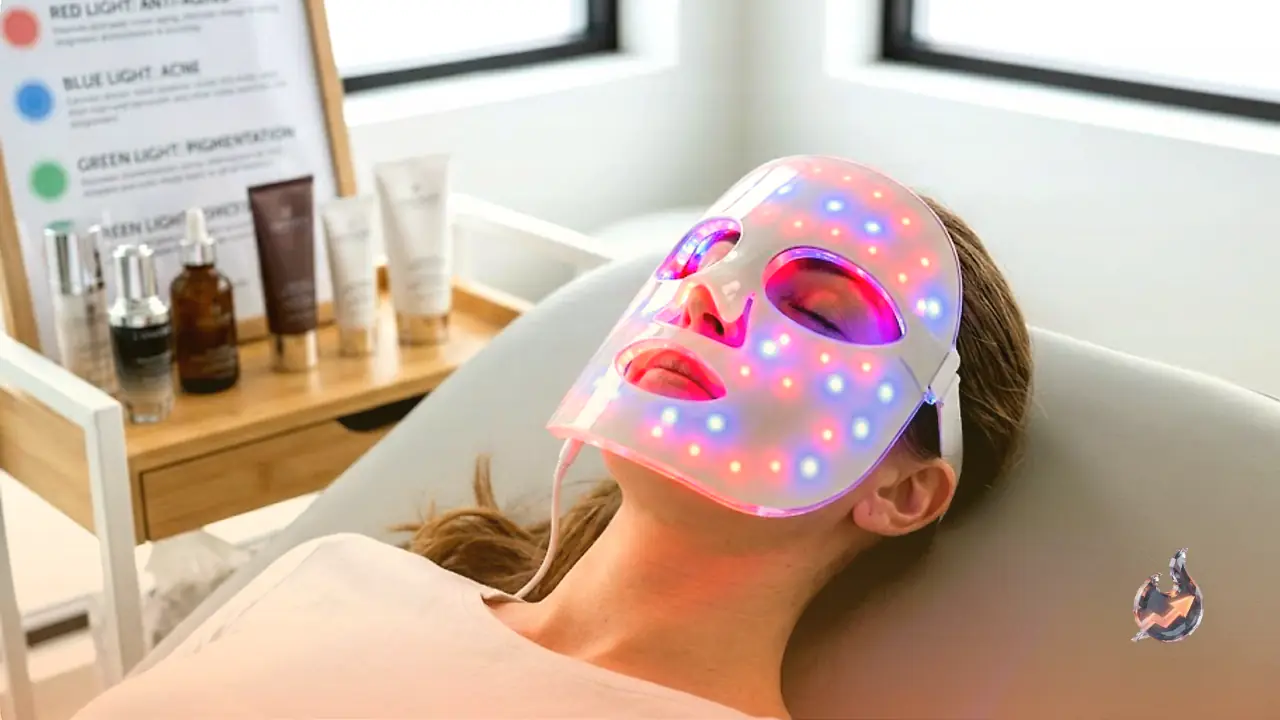

In the evolving landscape of skincare, LED face masks have become a significant point of interest for many. Previously, treatments involving light therapy were exclusively available at dermatology clinics, requiring frequent appointments. However, advancements in technology have now made these devices readily available for home use. With celebrities and beauty influencers frequently integrating these masks into their regimens, many individuals are wondering whether these devices are truly beneficial for skin health or merely a fleeting social media trend.
Understanding LED Face Mask Technology
An LED face mask is a skincare device that functions using Light Emitting Diode technology. The device consists of various colored lights, each designed to perform specific functions. These lights penetrate the upper layers of the skin, attempting to address various dermatological concerns. While these therapies were once confined to clinical settings, several companies now provide these masks for home usage, making professional-grade light therapy more accessible to the public.
The Role of Different Light Colors
Each color emitted by an LED mask is believed to target specific skin issues. Red LED light is primarily utilized for anti-aging purposes; regular sessions may help diminish the appearance of fine lines and wrinkles, contributing to a fresher and healthier complexion. If your skin is prone to frequent breakouts or acne, blue light is considered highly effective. It targets the bacteria that cause acne, helping to keep the skin surface clearer. Furthermore, green LED light is commonly used to address pigmentation and uneven skin tone. For those struggling with discoloration or minor dark spots, this option is frequently recommended.
Recommended Usage Frequency and Duration
According to dermatologists, utilizing home-based LED masks three to five days a week is considered sufficient. While many users are tempted to use the device daily in hopes of achieving faster results, there is no concrete evidence that excessive use provides extra benefits. Consistency is more important than frequency. A single session should last between 10 to 20 minutes. Extending the time beyond this limit does not offer additional advantages to the skin, making it essential to adhere to recommended guidelines.
Best Practices for Application
Before applying an LED mask, the face must be thoroughly cleansed using a face wash. The skin should be completely free of makeup, sunscreen, moisturizer, or any serum, as clean skin allows the LED light to work more efficiently. Once the mask session is complete, cleanse the face again and apply a light moisturizer. If you are using the device during the day, applying sunscreen before stepping outside is an absolute necessity.
Who Should Use It and When to Be Careful
Experts suggest that individuals with sensitive or acne-prone skin can typically use LED masks, even if they have common pimples. However, if there are open wounds, fresh injuries, severe infections, or other specific skin conditions being treated by a medical professional, the device should not be used without prior consultation. It is crucial to understand that an LED mask is not a replacement for your daily skincare routine; cleansing, moisturizing, and sun protection remain essential foundations. While night is often considered the ideal time to use these devices—as the skin repairs itself—it is not safe to sleep with the mask on. Furthermore, always prioritize eye protection while the device is in use.