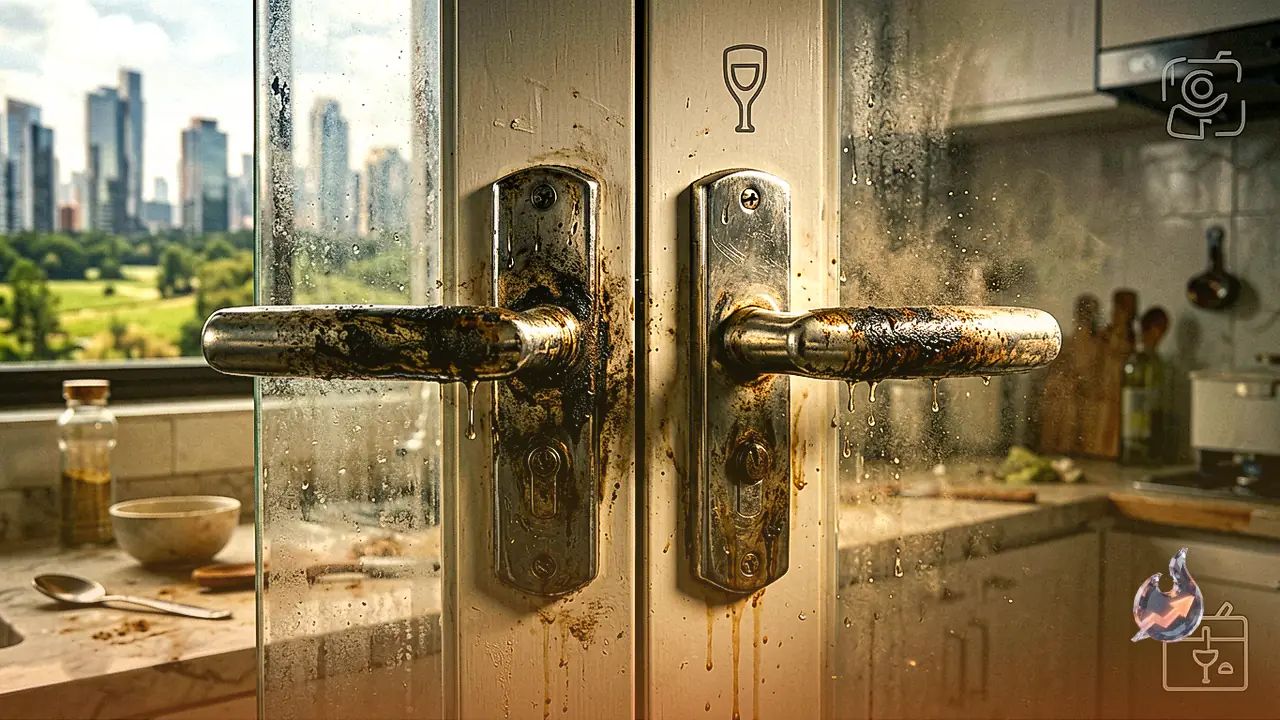
























During the hot summer and rainy seasons, rooftop water tanks easily collect dust, soil, algae, dry leaves, and small insects. Often, the water inside the tank appears crystal clear to the naked eye, while harmful dirt and bacteria lurk within. Using such contaminated water can significantly increase the risk of infections and waterborne illnesses. Therefore, it is extremely essential to clean your household water tank at regular intervals.
The Limitations of Alum
Alum has traditionally been used in households for a long time to clarify water. It helps settle fine suspended dirt particles to the bottom of the container. However, it does not eradicate all the bacteria and viruses present in the liquid. If sludge, thick mud, or algae has formed inside the tank, simply dropping in some alum will not make the water completely safe for consumption. This is why thorough physical scrubbing and cleaning of the tank remain indispensable.
Proper Cleaning Frequency and Steps
The water tank should be meticulously cleaned at least once every three to six months. Before beginning the cleaning process, drain out all the remaining water completely. Following this, scoop out the accumulated sludge and mud resting at the bottom. Scrub the interior walls, corners, and floor of the tank vigorously using a sturdy brush. Completely remove any stubborn algae and adhesive grime. Afterward, rinse the tank thoroughly with clean water two to three times.
Using Chlorine With Care
Once the tank has been cleaned, chlorine or bleaching powder can be utilized in appropriate amounts to make the water safe. It must only be used in measured quantities. Excessive amounts of chlorine can prove harmful to health. After adding chlorine, avoid using the water for a stipulated period so that the chemical can properly react and neutralize contaminants.
Extra Precautions for Drinking Water
If the tank water is also used for drinking purposes, do not assume it is safe just by adding alum. For drinking, it is always wiser to rely on water filters, boiled water, or scientifically purified water systems. If the water changes color, emits a foul odor, or tastes unusual, get it tested before consuming. Regular tank maintenance helps preserve water cleanliness and minimizes the threat of diseases.