























Live: Hormuz shipping traffic drops amid Iran-Oman discussions while oil prices climbLive
7 Aug 2026, 1:00 pm (45 days ago)· 2

Live: Hormuz shipping traffic drops amid Iran-Oman discussions while oil prices climb

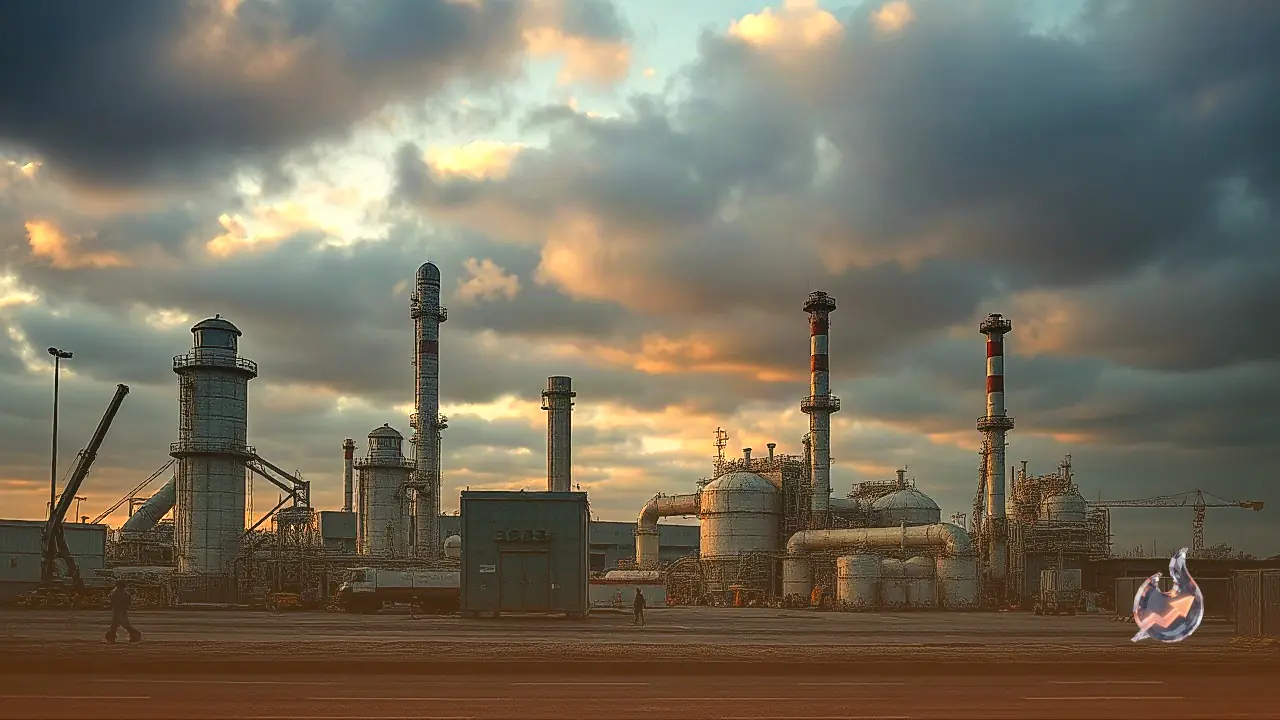
Maritime traffic through the Strait of Hormuz has slowed down as diplomatic talks between Iran and Oman continue amid the ongoing West Asia crisis. Meanwhile, crude prices are surging and escalating Houthi missile strikes across Yemen and Saudi Arabia further intensify regional hostilities.

Escalating geopolitical tensions in the Middle East and mounting security risks along key maritime chokepoints have injected fresh volatility into global energy markets. Crude oil prices surged on Friday, 7 August 2026, driven by growing anxieties over restricted commercial shipping through the Strait of Hormuz. While Iran and Oman engage in deliberations to establish updated operational guidelines for the vital transit corridor, proposed measures to ban hostile vessels and impose strict financial penalties on violators have heightened concerns over sustained global supply disruptions.

Brent crude futures gained 99 cents, or 1.2 percent, to reach $83.48 per barrel by 0010 GMT. Similarly, US West Texas Intermediate (WTI) crude futures rose by 85 cents, or 1.1 percent, settling at $78.84 per barrel. This upward momentum follows Thursday's session, 6 August 2026, when oil futures closed more than $3 higher per barrel as Iranian lawmakers reviewed legislation proposing a ban on American and Israeli vessels navigating the strait. Prior to the escalation of armed conflict in late February 2026, the Strait of Hormuz served as the passage for approximately one-fifth of the world's petroleum supply and liquefied natural gas (LNG).

Also read

Shipping Traffic Drops Sharply in Strait of Hormuz

Data released by maritime tracking agency Kpler highlights a marked reduction in cargo vessel movement through the waterway. Between Monday, 3 August, and Thursday, 6 August 2026, only 33 commercial cargo ships transited the Strait of Hormuz, compared to 50 vessels during the corresponding period in the preceding week. The drop underscores the cautious stance taken by international shipping firms as diplomatic talks between Iranian and Omani officials proceed regarding the conditions for keeping the chokepoint open.

According to Kpler, maritime activity hit a severe low on Thursday, 6 August 2026, with only four vessels completing transit through the strait. Among those was the Very Large Crude Carrier (VLCC) Nissos Kea, carrying approximately 2 million barrels of Basrah crude loaded from Iraq. The remaining vessels consisted of two liquefied petroleum gas (LPG) tankers and a single small bulk carrier. The dramatic drop in daily transits highlights the immediate chilling effect of regional hostility on global maritime commerce.

Deadly Houthi Offensive Kills 58 Yemeni Soldiers

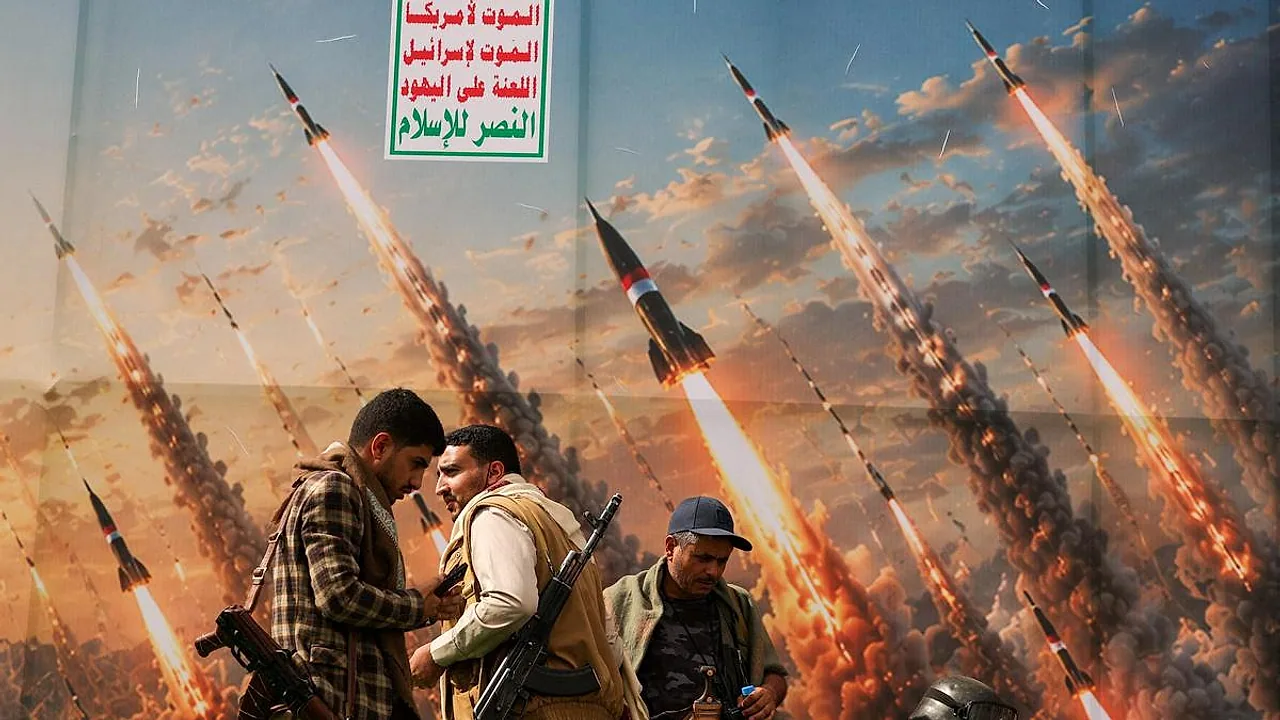
Parallel to the maritime gridlock in the strait, the conflict in Yemen experienced one of its deadliest escalations in recent history. Military sources confirmed that Iran-backed Houthi forces launched coordinated missile and drone strikes against Yemeni government positions on Thursday, 6 August 2026, killing at least 58 soldiers. The barrage represents the highest single-day military death toll in Yemen's civil war over the past four years, as the domestic war increasingly merges into the wider regional conflict involving the United States, Israel, and Iran.

Cross-border violence also flared along the southern Saudi border. According to statements from the Saudi military, Houthi missile strikes targeted the southern border region of Najran, injuring 11 civilians, including a 4-year-old child. The strikes occurred hours after Houthi forces claimed responsibility for separate assaults in central and eastern Yemen that left at least 30 government troops dead and more than 50 injured. Houthi military spokesman Yahya Saree stated that the strikes were carried out in retaliation for military mobilizations conducted by Saudi Arabia.

Washington Faces Strategic Dilemma

The combination of military escalation in Yemen and restricted transit through the Strait of Hormuz presents significant diplomatic and political challenges for Washington. US President Donald Trump faces growing pressure over the administration's strategic posture in the region. More than five months after initiating military operations alongside Israel against Iran, President Trump continues to dismiss reports highlighting declining domestic approval ratings, economic deceleration, and diminishing US ammunition stockpiles.

Securing an agreement with Iran to fully reopen the Strait of Hormuz may require the administration to consider diplomatic flexibility that contrasts with its established public stance. Commenting on the political calculation, Eliot Cohen, a former State Department counselor during the George W. Bush administration, observed, "He divides the world into winners and losers, and this would frame him as a loser." With energy prices responding directly to the bottleneck in Hormuz, diplomatic resolution remains the key factor monitoring market stability in the coming weeks.


ENDED

Closed

  1. Reaching an agreement with Iran regarding Hormuz could force Trump into concessions

    In order to secure a pact with Iran that restores passage through the crucial Strait of Hormuz, President Donald Trump might have to step back from his usual stance and offer concessions. Making such trade-offs would be challenging for the Republican leader, who continues to dismiss concerns over falling approval ratings, a weakening economic climate, and depleted U.S. military arms supplies resulting from the conflict with Iran initiated alongside Israel over five months back. Former State Department counselor under George W. Bush, Eliot Cohen, noted that the President categorizes everyone into victors or vanquished, adding that compromising would frame him as defeated — a perception he would find unbearable.
  2. Passage of ships via Hormuz drops sharply this week as global markets monitor Iran-Oman dialogue

    Latest tracking details reveal that maritime transits across the Strait of Hormuz dropped to 33 vessels between Monday (August 3, 2026) and Thursday (August 6, 2026), down from 50 ships recorded during the previous weekly cycle, while financial markets closely observe discussions between Muscat and Tehran aimed at unblocking the passage. On Thursday (August 6, 2026), merely four ships navigated through the passage, which featured a supertanker named Nissos Kea transporting close to 2 million barrels of Iraqi Basrah crude oil, according to analytics firm Kpler. Among the remaining three vessels, two were transporting liquid petroleum gas cargoes and the third was classified as a smaller bulk freighter.
  3. Strikes by Houthi missiles claim 58 Yemeni pro-government troops: official source

    Missile and drone bombardments by Tehran-aligned Houthi forces claimed the lives of no fewer than 58 government soldiers on Thursday (August 6, 2026), per military insider information, marking one of the highest daily death tolls in Yemen's internal conflict over the last four years. This escalation coincides with Yemen being dragged deeper into the broader fight pitting Washington and Israel against Tehran, as Houthi fighters intensify offensives against state troops and neighboring Saudi Arabia — a crucial American partner that backs Yemen's official authority. Spokesperson for the Houthi military Yahya Saree stated that their forces launched ballistic missiles and unmanned aircraft targeting military bases to counter what they claimed was a troop mobilization supported by Riyadh.
  4. Cross-border strikes by Houthis wound 11 civilians including a child, confirms Saudi army

    Military officials in Saudi Arabia reported that over ten non-combatants, among them a four-year-old toddler, sustained injuries on Thursday following multiple strikes launched by Yemeni Houthi insurgents. Occurring in the southern border territory of Najran, these strikes followed just hours after the Tehran-supported group stated it had conducted separate offensives in eastern and central regions of Yemen, leaving at least 30 soldiers dead and over 50 wounded. The cross-border violence near the Yemeni frontier left 11 civilians injured, including a young child, as hostilities across the area continue to intensify.
  5. Crude prices surge as doubts cloud potential reopening of the Strait of Hormuz

    Crude values surged further on Friday (August 7, 2026) driven by ongoing anxiety regarding the unblocking of the Strait of Hormuz, after Tehran and Muscat floated a proposal to prohibit unfriendly ships from passing and levy steep penalties on violators. Futures for Brent crude gained 99 cents or 1.2% reaching $83.48 per barrel at 0010 GMT, while American West Texas Intermediate crude increased 85 cents or 1.1% to hit $78.84. Oil benchmarks closed higher by more than $3 per barrel on Thursday (August 6, 2026) as Iranian lawmakers considered legislation to bar American and Israeli ships from navigating the Strait of Hormuz, through which nearly 20% of global petroleum and LNG passed prior to the outbreak of hostilities in late February.

Questions & Answers

How much did crude oil prices increase on 7 August 2026?
Brent crude futures rose 99 cents to $83.48 per barrel, while US WTI futures increased by 85 cents to $78.84 per barrel.
By how much did shipping traffic decline in the Strait of Hormuz?
Cargo vessel transits dropped to 33 between 3 and 6 August 2026, down from 50 in the previous week's matching period, with only 4 ships passing on 6 August.
How many casualties were reported in Yemen on 6 August 2026?
At least 58 Yemeni government soldiers were killed in Houthi missile and drone strikes, making it the deadliest single day in four years.
What casualties occurred in the border region of Najran?
Houthi strikes near the Saudi border in Najran wounded 11 civilians, including a 4-year-old child.
What is the focus of the talks between Iran and Oman?
Iran and Oman are discussing rules for reopening the Strait of Hormuz, including restrictions on hostile ships and fines for non-compliant vessels.

Comments 0

No comments yet — be the first.

Citizen journalism

Become a TrendKia journalist

Voice of the people

Share news, photos and videos from your area with TrendKia and let your voice reach the nation. Every citizen a journalist.

Join now
CH 01 LIVE
TrendKia TV ON AIR
Chamar no WhatsApp