







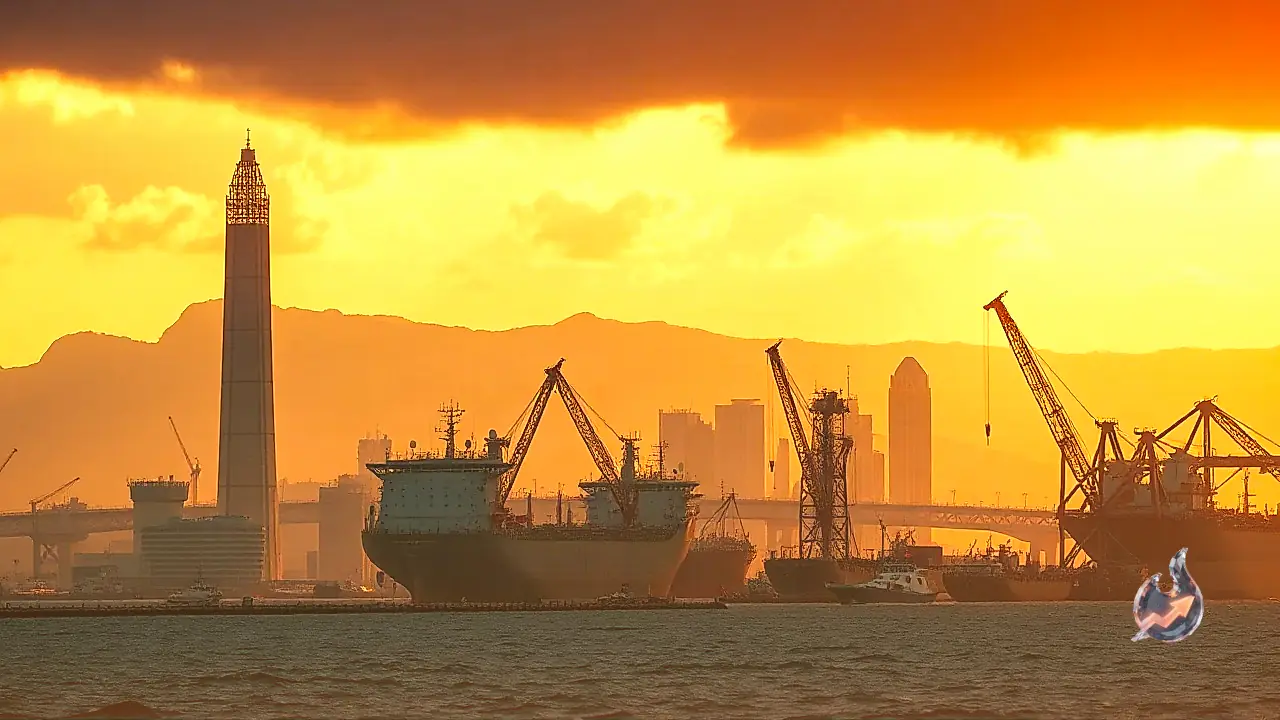















Tensions in the Strait of Hormuz have reached a critical juncture following Iranian cruise missile attacks on two United Arab Emirates oil tankers. According to the UAE Ministry of Defense, these strikes resulted in the death of an Indian crew member and left eight others injured. The targeted vessels, identified as the Mombassa and Al Bahiyah, were situated within Omani territorial waters at the time of the incident. The deceased Indian national was a crew member serving on the Mombassa.
Regional Instability and International Condemnation
The UAE issued a formal statement on the social media platform X, condemning the attacks in the strongest terms. The ministry characterized the aggression as a flagrant violation of international law and a severe threat to regional security and stability. In response to the tragedy, the Indian government has taken a firm stance. The Ministry of External Affairs summoned the Deputy Chief of Mission of the Iranian Embassy in New Delhi to lodge a formal protest regarding the attacks, expressing deep concern over the targeting of the vessels, which also left several other Indian nationals injured.
US Military Response and Iranian Counterstrikes
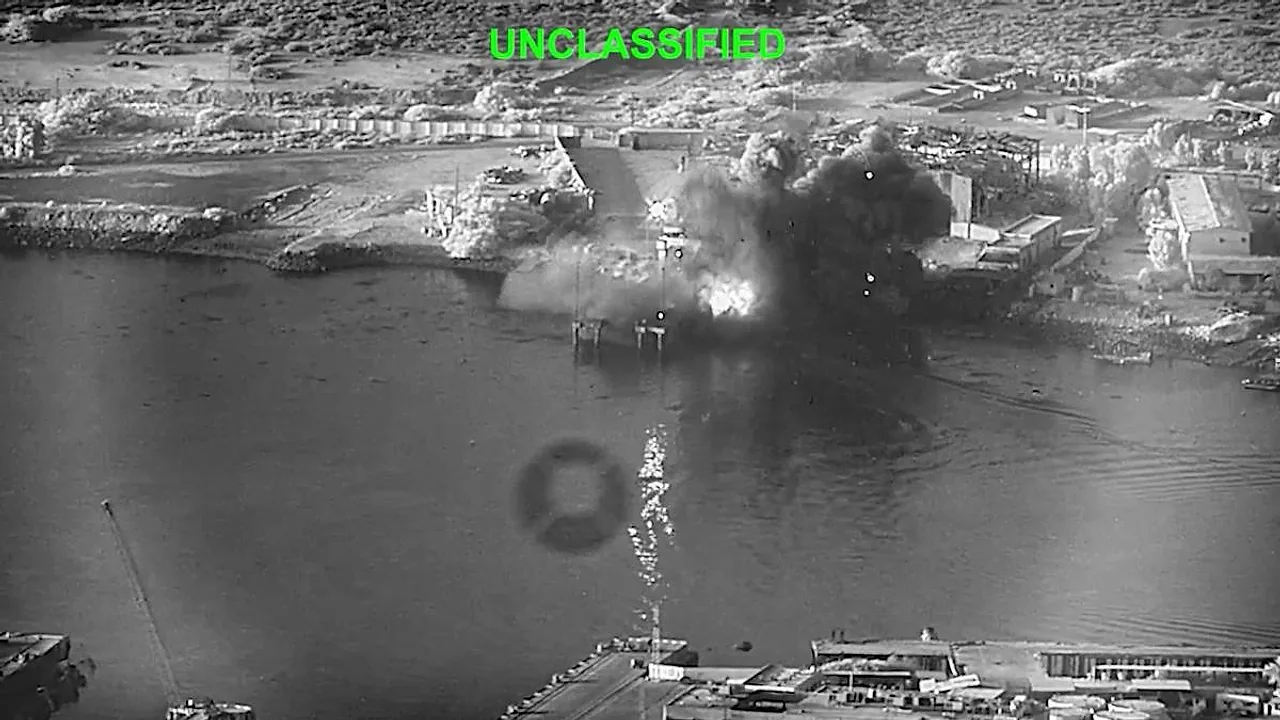
The United States has conducted its third consecutive night of airstrikes against various military installations within Iran. According to the US Central Command, a five-hour military operation targeted key sites including Bushehr, Chabahar, Jask, Konarak, Abu Musa, and Bandar Abbas. In retaliation, Iran's Islamic Revolutionary Guard Corps (IRGC) claimed to have destroyed several critical radar systems in Bahrain, including Patriot missile radars and the aerial control radars belonging to the US Navy's Fifth Fleet. The capital of Bahrain has seen repeated air raid sirens and explosions as the conflict intensifies.
Impact on Energy Markets and Global Economy
The conflict has sent immediate shockwaves through global energy markets, with crude oil prices surging to a four-week high. Brent crude futures rose 1.50 dollars to trade at 84.80 dollars per barrel, while US West Texas Intermediate crude climbed to 79.84 dollars per barrel. The previous session saw Brent crude jump 9.6 percent, marking its largest single-day gain since May 2020. Meanwhile, the German shipping company Hapag-Lloyd has criticized the US plan to impose a 20 percent tariff on cargo passing through the Strait of Hormuz, labeling such measures as fundamentally flawed.
Diplomatic Efforts and Future Challenges
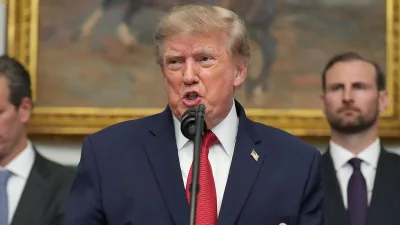
Iraqi Prime Minister Ali al-Zaidi has arrived in Washington for his first foreign visit to meet with President Donald Trump. The meeting occurs as the escalating military friction between the US and Iran makes it increasingly difficult for Iraq to maintain a neutral diplomatic balance. Furthermore, Beijing has urged both sides to exercise restraint and restore safe navigation in the vital waterway. Iran’s Oil Minister Mohsen Paknezhad asserted that despite US sanctions, the nation’s oil exports remain normal, citing the development of domestic mechanisms designed to neutralize the impact of these international restrictions.