






















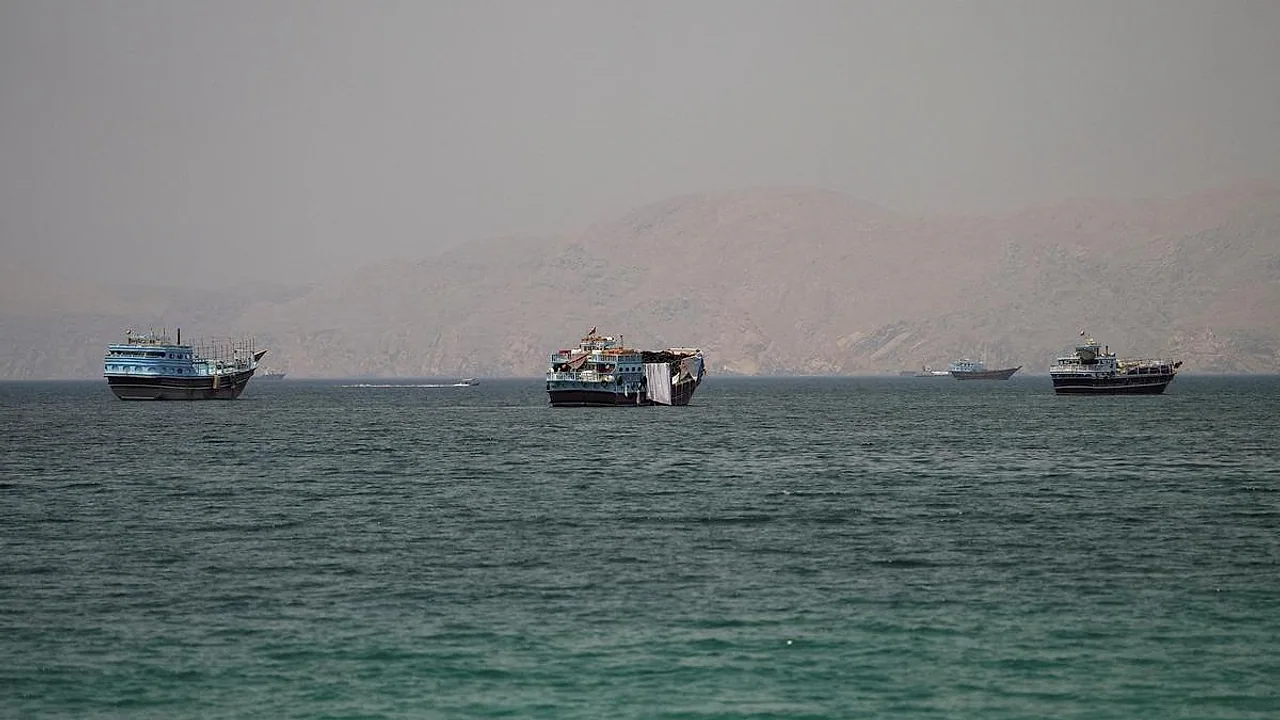

A memorandum of understanding signed between the United States and Iran has raised hopes of halting the military conflict between the two countries, with signs now emerging that the Strait of Hormuz could reopen, a waterway ranked among the world's most critical oil supply routes.
The build-up to the agreement
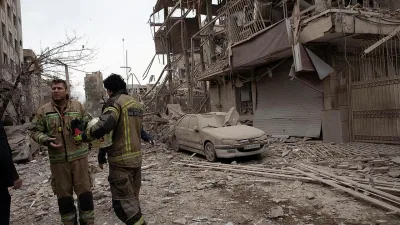
The US and Iran had been locked in military conflict for some time, with the fallout spreading across West Asia. That tension had also disrupted oil supplies passing through the Strait of Hormuz, since a large share of the world's total oil trade moves through this waterway. The new memorandum is being seen as a major step toward easing that conflict.
Trump's claim, Tehran's pushback
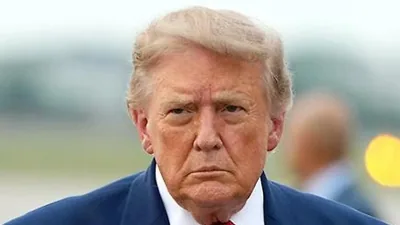
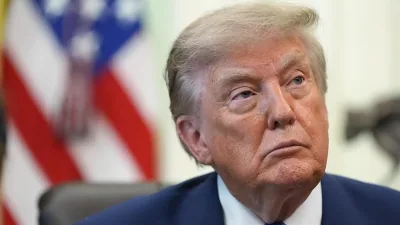
President Donald Trump has claimed that Iran has now agreed to the highest level of nuclear inspections. Tehran, however, has taken a different stance, saying that UN inspectors will not be allowed access to nuclear sites destroyed in recent bombing. This means differences over nuclear inspections remain even after the agreement.
Vance's warning to Israel, Hezbollah calls it a win
According to news reports, JD Vance has issued a stern warning to Israel amid the agreement. Meanwhile, Hezbollah has called the US-Iran deal a big win for itself and issued a threat to Israel. The reaction, coming from Hezbollah leader Naim Qassem in Lebanon and referencing Netanyahu, shows the deal is also reshaping regional equations.
India welcomes the move, expects stronger energy supply
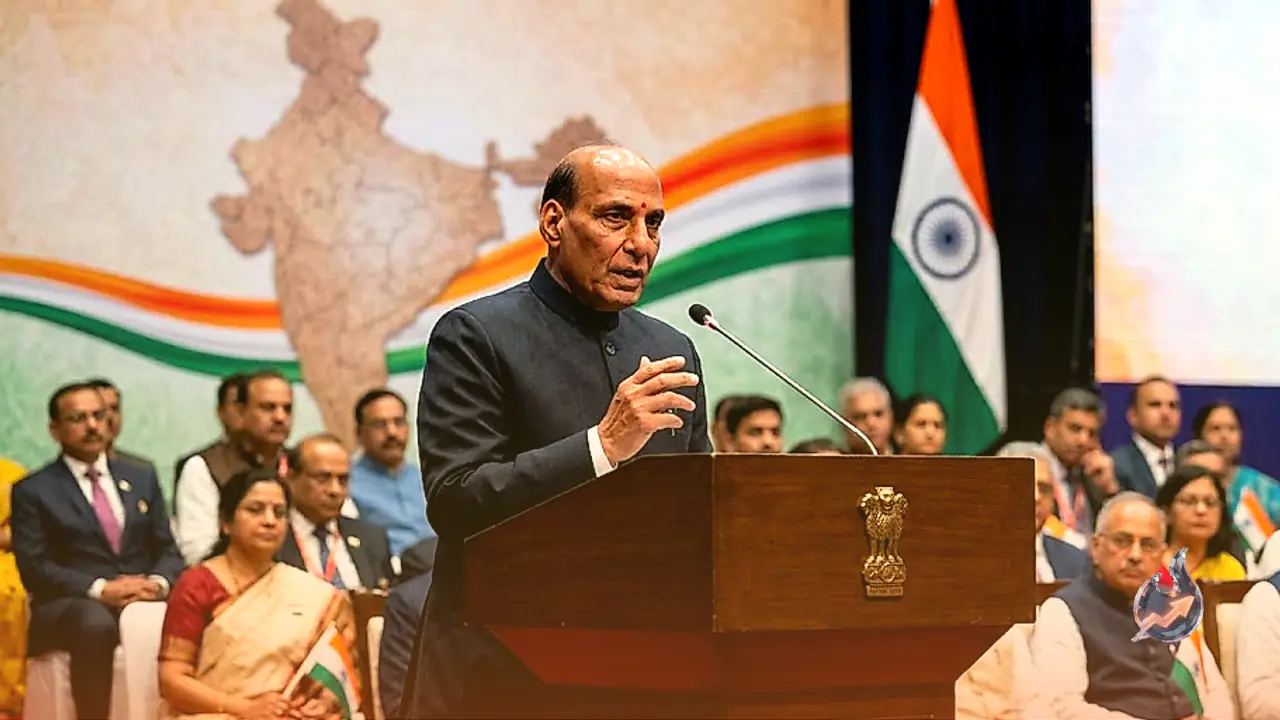
India has welcomed the overall development, saying that if the Strait of Hormuz reopens, it will strengthen the country's energy supply. India depends on West Asia for a large share of its oil imports, which makes the security and smooth functioning of this waterway directly important for the country. This has also raised questions about whether a reopened Hormuz could ease inflation in India, since normalised oil supply could directly affect domestic fuel prices and household budgets.