


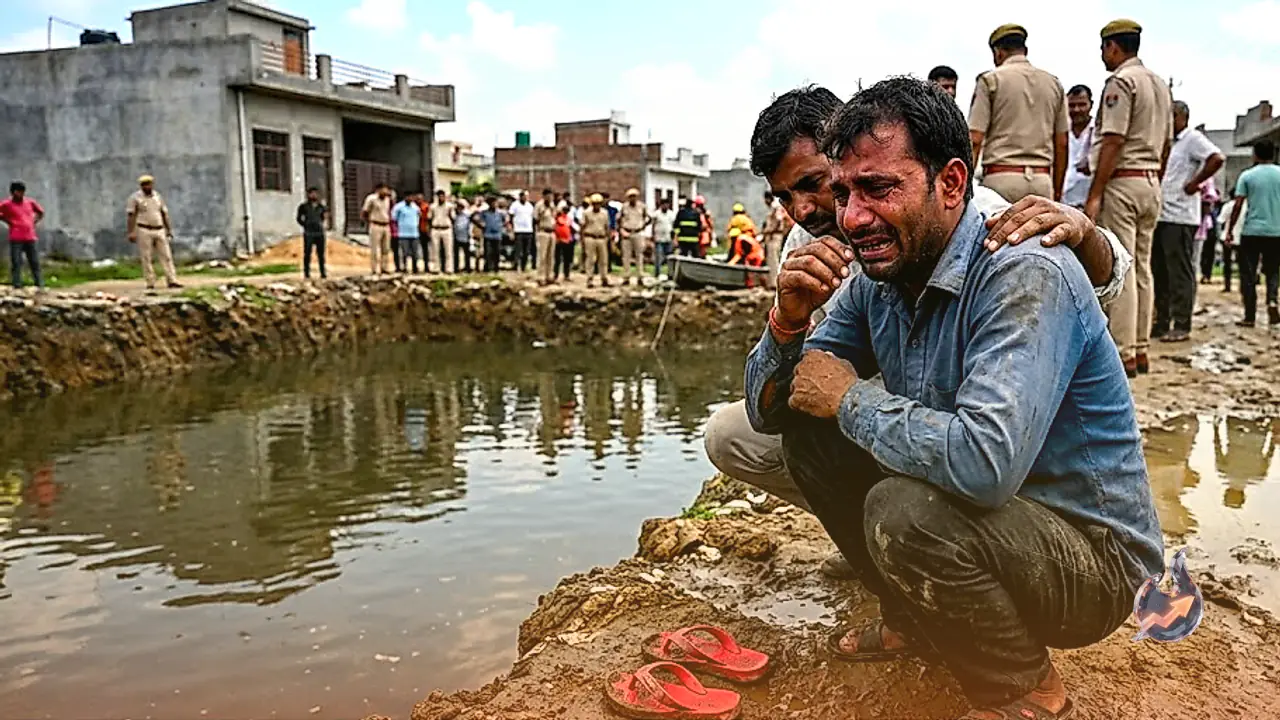




















The monsoon appears to be losing steam in Madhya Pradesh for now. Most districts in the state have seen a shift in weather over the past two days, with the spell of heavy rain giving way to dry conditions. Along with that, the heat is climbing again and humidity is leaving people drenched in sweat. After a few days of relief, residents are once again turning to air conditioners and coolers. Today, July 14, 2026, a Tuesday, most districts will remain dry with no alert in place, but a yellow alert for strong winds has been issued for 15 districts.
According to the Meteorological Centre in Bhopal, the yellow alert applies today to Satna, Rewa, Maihar, Mauganj, Sidhi, Singrauli, Umaria, Shahdol, Anuppur, Dindori, Mandla, Seoni, Balaghat, Chhindwara and Pandhurna districts. No rainfall is expected in these areas, but winds are forecast to blow at speeds of 30 to 40 kilometres per hour. The weather department has urged people in these districts to stay cautious, since winds of that speed can snap tree branches, topple hoardings or damage weak structures.
Two more days of humid heat before any change
Based on current forecasts, July 15 is expected to look much the same as today, with most parts of the state staying dry. That means residents across the state are unlikely to get any major relief from the humid heat for at least two more days. However, July 16 could bring a shift, with some districts likely to see thunder and lightning along with winds blowing at 40 to 50 kilometres per hour, a step up from the current dry, still spell.
What the heavy rain left behind: swollen rivers and submerged temples
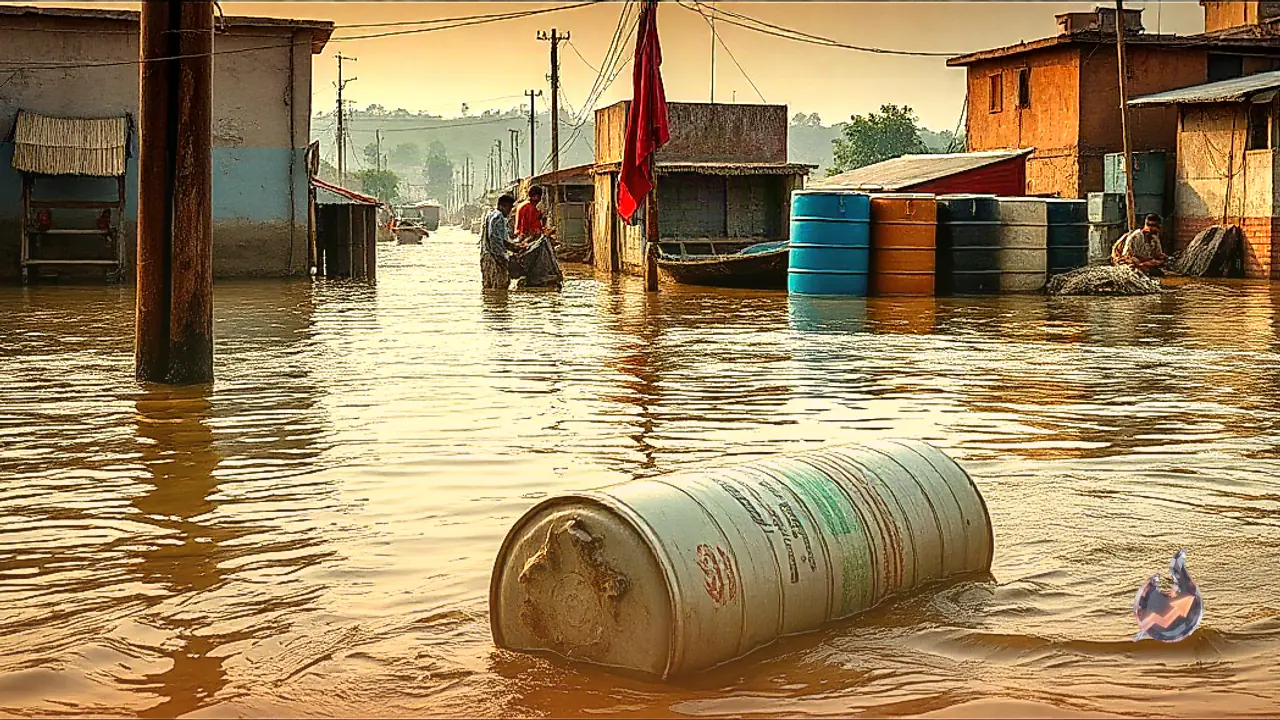
It is worth recalling that when the monsoon first arrived in Madhya Pradesh, the rain came down hard and fast. Rivers and streams swelled well beyond their banks, and waterlogging was reported in several places. In Ujjain, small temples built on the ghats of the Shipra river were seen submerged under the rising water. That same heavy rain also left fields brimming with water, which turned out to be good news for farmers, since this is the season when they are busy transplanting paddy and other crops that depend heavily on exactly this kind of rainfall.