




















On July 11, 2006, the city of Mumbai experienced one of its most tragic evenings when a series of coordinated bombings ripped through its suburban railway network. Within a brief span of just 11 minutes, seven powerful explosions targeted the lifeline of the city, claiming the lives of over 180 passengers and leaving more than 700 others severely injured. The attacks specifically targeted the Western Line during the peak evening rush hour, forever altering the lives of thousands of families. These blasts in first-class compartments were strategically planned to maximize casualties and instill widespread terror among daily commuters.
The Eleven Minutes of Terror
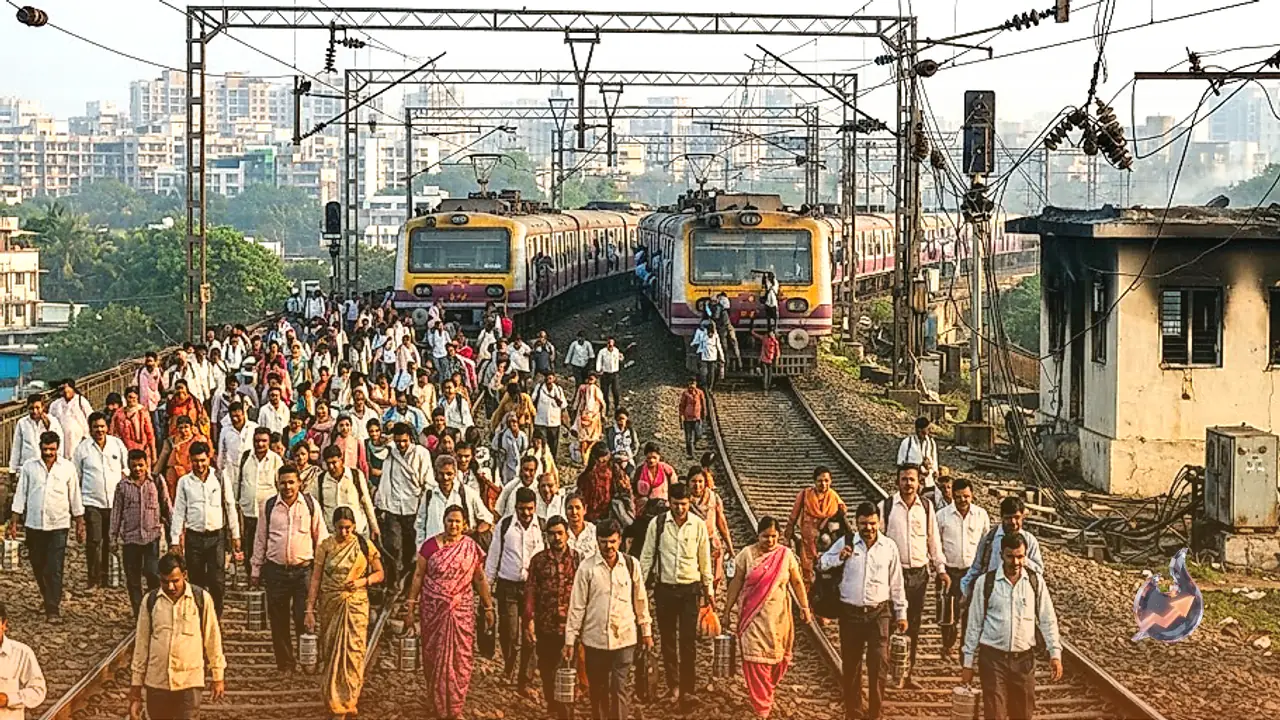
Between 6:24 PM and 6:35 PM, a series of explosions went off along the Western Railway route. The terrorists targeted several key stations including Khar Road, Bandra, Jogeshwari, Mahim, Mira Road, Matunga, and Borivali. While Borivali experienced two distinct explosions, security personnel managed to successfully defuse a third bomb at the same location. The sheer impact of these back-to-back blasts brought the entire Western Line to a complete halt, instantly disrupting the commute of millions of residents trying to head back home after a long workday.
Horrific Aftermath on the Tracks
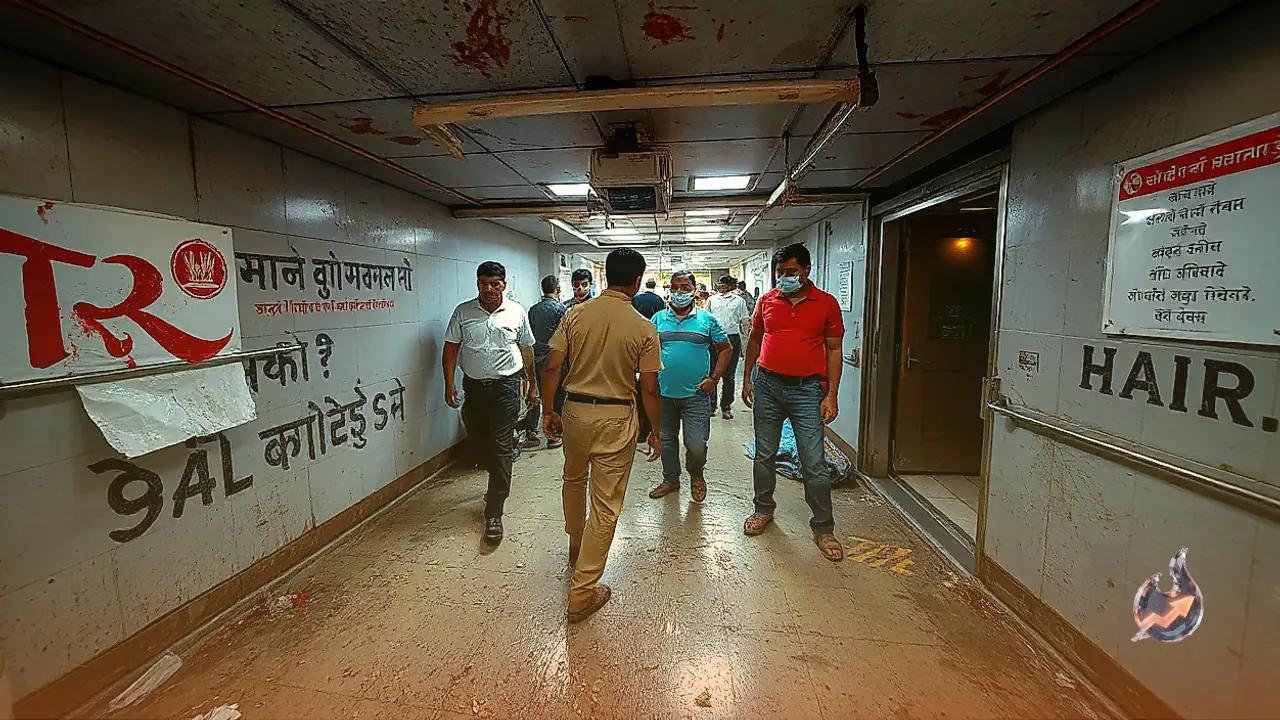
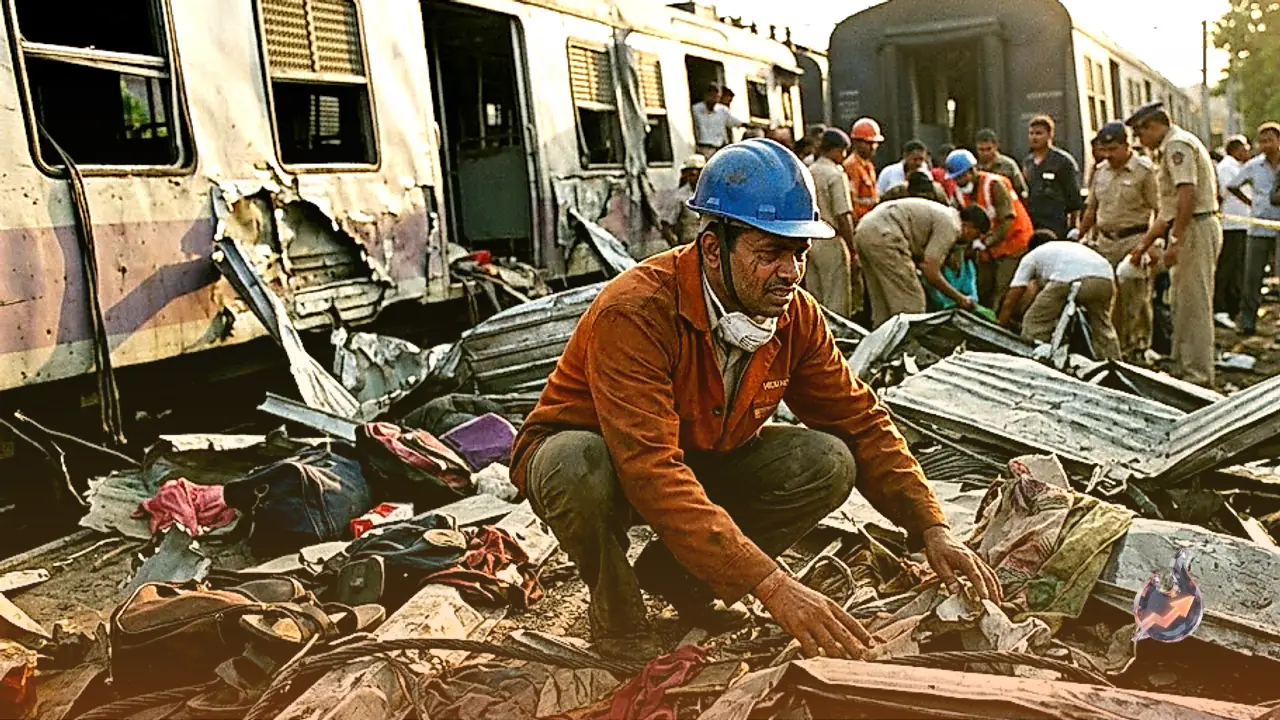
The intensity of the explosions was so devastating that body parts and debris were scattered all over the railway tracks. Forensic examinations later revealed that the primary cause of death for most victims was severe head and chest trauma. To make matters worse, heavy monsoon rains lashed the city that evening, creating immense obstacles for the emergency response teams and rescue operations. In the immediate aftermath, Mumbai's mobile network collapsed due to heavy traffic, leaving relatives unable to contact their loved ones, while thousands of commuters remained stranded at various railway stations amid widespread chaos.
The Investigation and Forensic Breakthroughs
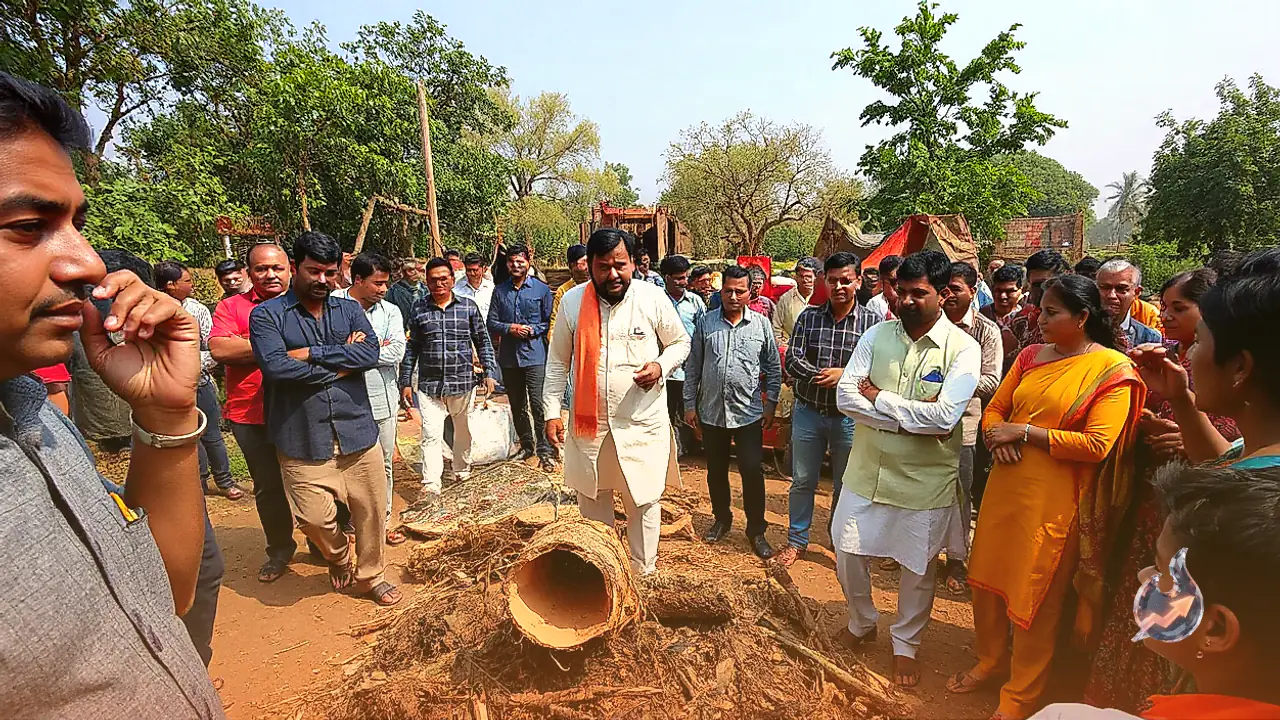
Investigating agencies discovered that the attackers utilized pressure cookers packed with a highly lethal combination of RDX and ammonium nitrate, connected to sophisticated timers. Each explosive device carried approximately 15 to 20 kilograms of this deadly mixture. A major breakthrough in the probe came from the single unexploded bomb recovered at Borivali, which was defused in time. This intact device provided forensic experts with invaluable clues about the manufacturing techniques and chemical composition used by the conspirators. The investigation pointed toward the active involvement of terrorist groups such as Lashkar-e-Taiba, SIMI, and the intelligence agency ISI.
The Legal Battles and 2025 Acquittals
Following a prolonged investigation, 12 individuals were originally convicted and sentenced for their involvement in planning and executing the serial blasts. However, after years of legal appeals, the Bombay High Court in the year 2025 delivered a landmark verdict, acquitting all the accused individuals due to a lack of sufficient and concrete evidence. This ruling marked a significant shift in the legal trajectory of one of the country's most high-profile terror investigations.
The Resilience of Ordinary Citizens
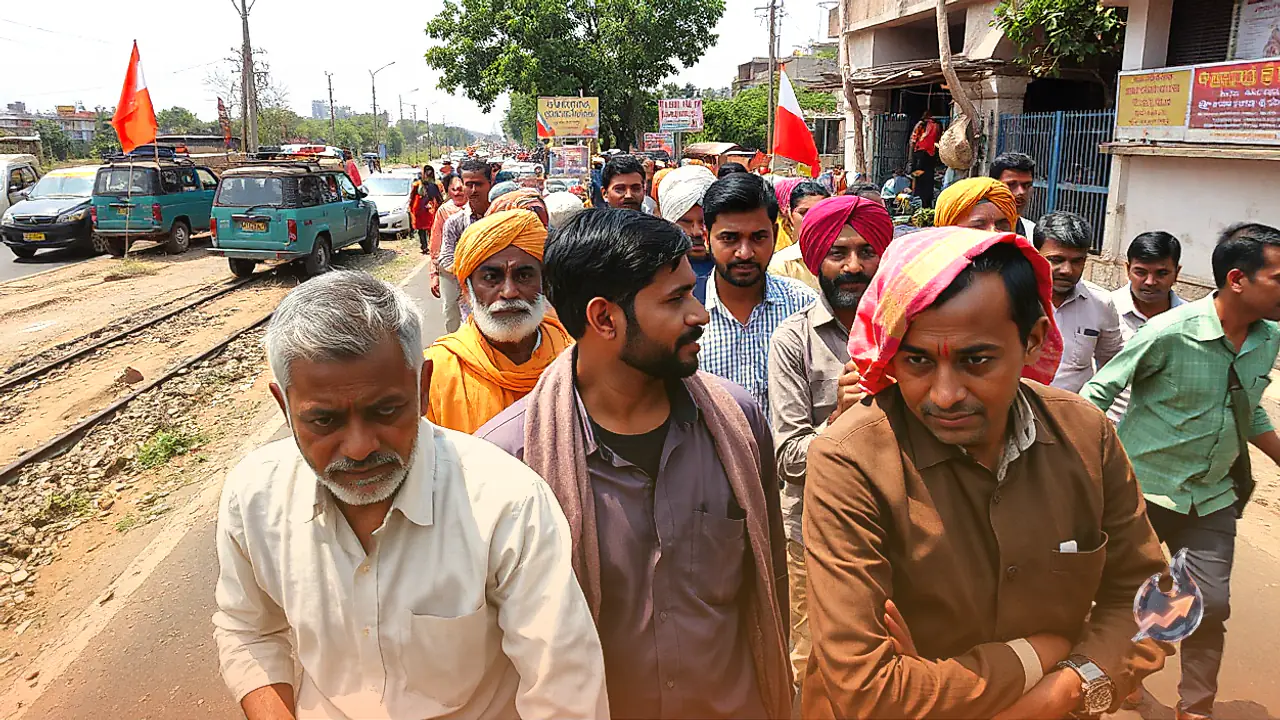
During this period of immense crisis, the true spirit of Mumbai was on display as ordinary citizens took charge of the initial rescue operations. Long before official emergency services could reach every location, local residents rushed to the tracks to pull injured survivors out of the mangled train compartments and transported them to nearby medical facilities. Furthermore, locals organized food, clean drinking water, and temporary accommodation for the thousands of stranded passengers who had no other way of reaching home due to the suspended rail services.
Political Reaction and Compensation
The terror attacks drew strong condemnation from across the globe. The then Prime Minister Manmohan Singh denounced the bombings, calling them a cowardly act aimed at disrupting the nation's financial capital. India directly blamed the Pakistani intelligence agency ISI for orchestrating the tragedy. Internationally, the scale and coordination of the Mumbai train blasts were compared to the major transit system bombings in Madrid and London. To aid the affected families, the government announced an ex-gratia payment of 1,00000 rupees to the next of kin of the deceased, while also taking care of all medical expenses for those undergoing treatment. Although financial aid could never compensate for the loss of human lives, it provided critical support during a time of immense grief for a transit system that handles over 60 lakh commuters every single day.