























Ahead of the crucial employment report from Australia, the AUD/USD currency pair has gathered upward momentum in global foreign exchange markets. Analysts broadly anticipate that the national unemployment rate will remain unchanged at 4.4% for July, even as net job creation experiences a notable deceleration compared to the preceding month. The upcoming figures come at a delicate juncture for the Reserve Bank of Australia, which continues to prioritize persistent inflationary pressures over mild labor market cooling.
Key ABS July Employment Forecasts and Job Creation Breakdown
The Australian Bureau of Statistics (ABS) is scheduled to release its comprehensive monthly labor force report on Thursday at 01:30 GMT. Market consensus points toward a modest addition of 15,000 jobs during July. This represents a sharp drop from the robust 76,300 expansion recorded in June, reflecting a gradual normalization in hiring activity.
Furthermore, the labor force participation rate is projected to edge down slightly to 66.9%, following the 67% reading logged in the prior month. While soft employment additions typically exert near-term downward pressure on the Australian Dollar (AUD), traders are currently weighing these figures against wider geopolitical developments, particularly ongoing tensions in the Middle East.
RBA Monetary Policy Stance and Underlying Inflation Concerns
Although employment trends play a vital role in shaping future monetary policy, policymakers at the Reserve Bank of Australia remain firmly focused on curbing inflation. At its August policy meeting, the RBA Board opted to hold the Official Cash Rate (OCR) steady at 4.35%, maintaining its restrictive policy stance as expected.
In its official policy statement, the RBA highlighted that while the direct impact of the Middle East conflict on inflation has been less severe than initially feared, headline inflation remains uncomfortably high. The trimmed mean inflation metric also stays elevated with minimal improvement since the March quarter, while crude oil and related energy commodities continue to trade above pre-conflict levels.
The central bank observed that inflation risks remain tilted to the upside. Conversely, labor market conditions have eased somewhat more than anticipated in recent months, with leading indicators signaling only limited further softening in the near term. Consequently, RBA officials are likely to view a softer employment outcome as a welcome sign of economic rebalancing rather than an immediate cause for concern.
Geopolitical Risk, Energy Market Trends, and US-Iran Standoff
The geopolitical backdrop remains fraught, particularly regarding the stagnant conflict involving the United States and Iran. Although direct military strikes have paused, diplomatic efforts toward a permanent resolution appear increasingly remote. Both sides have established rigid negotiating positions that leave little room for compromise.
This ongoing friction has fueled a steady upward drift in global crude oil prices, reinforcing energy-driven inflation anxieties worldwide. For the Australian Dollar, while a modest jobs outcome could trigger immediate currency weakness, the sustainability of any exchange rate movement will ultimately depend on broader global risk sentiment and fluctuations in the US Dollar (USD).
Labor Market Dynamics, Wage Growth, and Inflationary Pressures
Labor market health is one of the most critical gauges of underlying economic strength and a fundamental driver of currency valuations. Robust employment levels bolster household disposable income, driving consumer spending and economic growth, which typically underpins local currency strength.
However, an excessively tight labor market where worker shortages persist can spark rapid wage growth. Accelerating salaries increase consumer purchasing power, placing upward pressure on retail prices and services. Unlike volatile energy costs, wage growth represents a persistent structural component of core inflation that central banks monitor closely when calibrating interest rate trajectories.
Comparative Central Bank Mandates: RBA vs US Fed vs ECB
Central banks globally handle labor market data differently based on their explicit institutional mandates. The US Federal Reserve operates under a dual mandate aimed at achieving maximum employment alongside price stability. In contrast, the European Central Bank maintains a single mandate focused exclusively on inflation control.
Despite these structural differences, labor data remains indispensable for all central banks as a leading indicator of macroeconomic health. The ABS publishes its labor report roughly 15 days after month-end, providing essential insights into consumer demand trends that directly influence RBA rate decisions and AUD trading patterns.
Global Forex, Commodity, and Cryptocurrency Developments
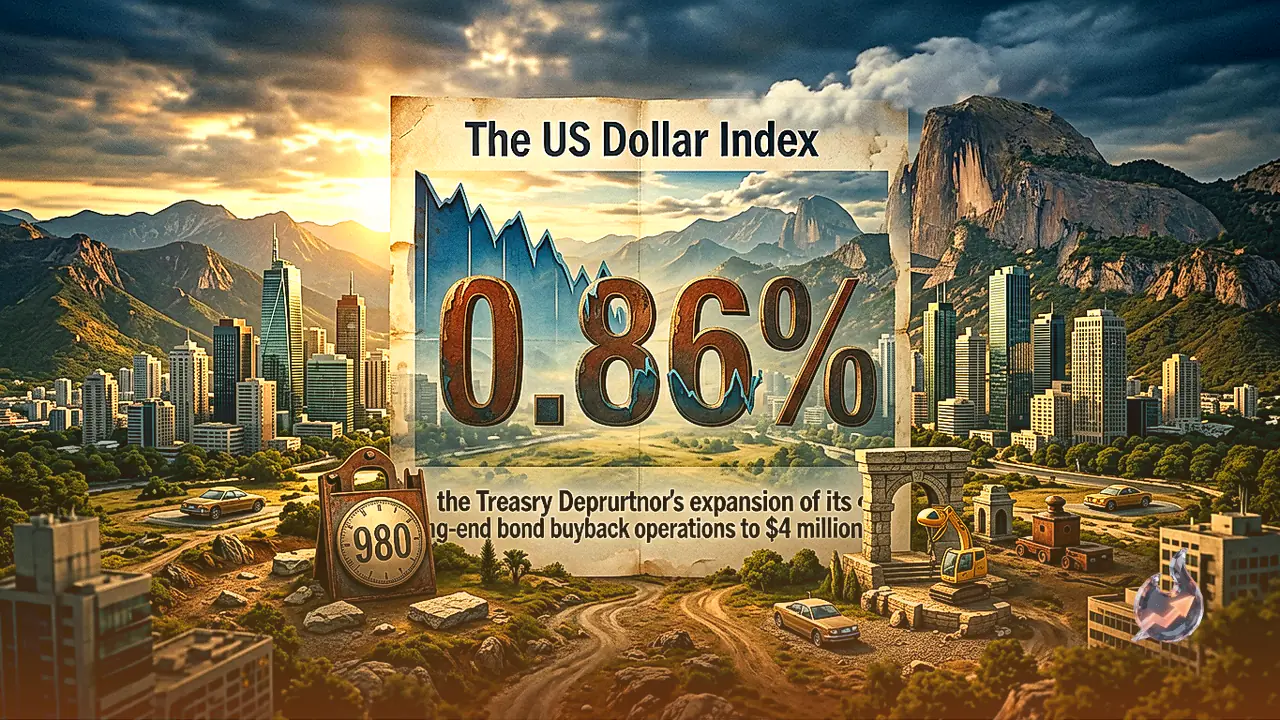
In broader financial markets, major currency pairs and asset classes are exhibiting significant price action. GBP/USD has extended its daily rally above 1.3600, reaching its highest level since mid-May. The British Pound gained support after the US Treasury Department announced a doubling of its liquidity support buyback operations for longer-dated nominal coupon securities, which weighed heavily on the Greenback. UK July CPI inflation printed at 2.9% year-over-year, meeting expectations, while core CPI picked up to 2.6% compared to the 2.5% expected.
Similarly, EUR/USD has gathered bullish momentum, trading above 1.1650 to hit its highest mark since early June. Market participants are turning their attention to the upcoming release of the FOMC Minutes for clues regarding Federal Reserve policy. In commodities, spot Gold (XAU/USD) recovered its previous losses during American trading hours, benefiting from falling US Treasury yields and USD weakness.
Meanwhile, Bitcoin (BTC) continues to trade firmly above $64,000, though upside momentum remains capped near $65,000 as crypto investors evaluate the geopolitical landscape and broader risk appetite.