





















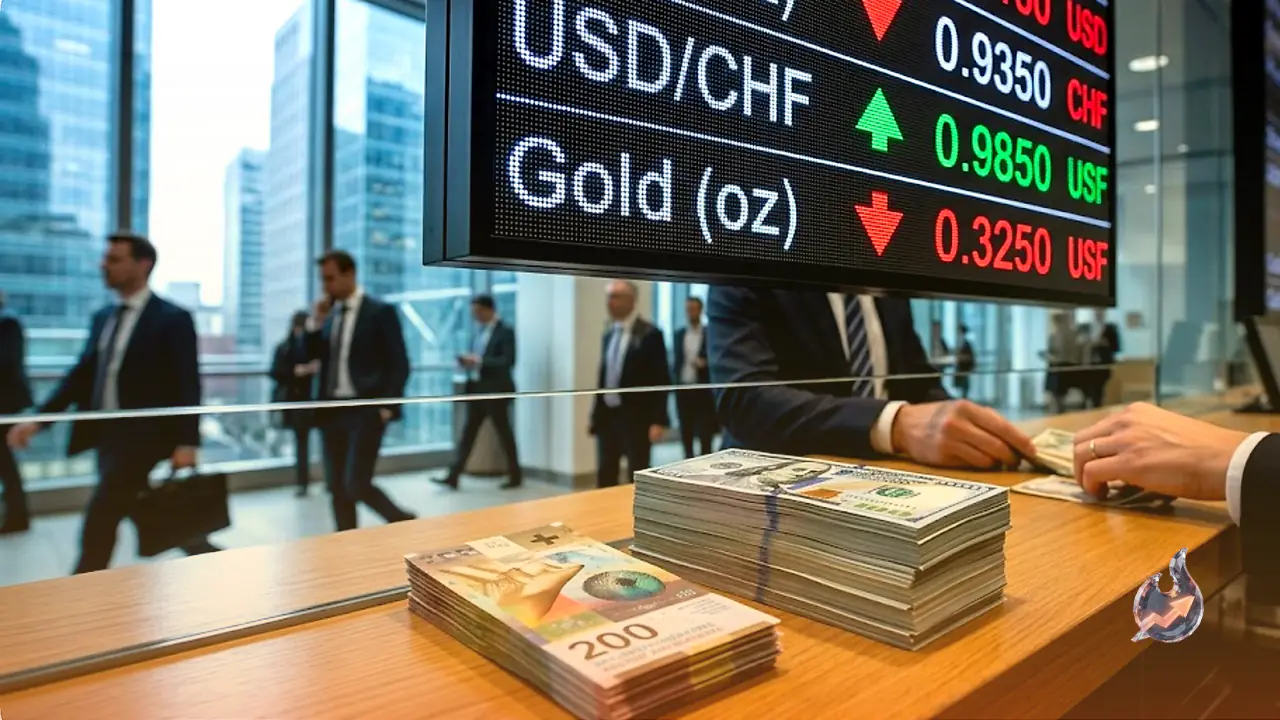

The US Dollar continues its upward trajectory, reaching its strongest point since May 2025. This renewed strength in the Greenback follows last week's policy meeting, where the Federal Reserve maintained a hawkish stance. Policymakers suggested that additional rate hikes might be necessary later this year to manage inflationary pressures fueled by rising energy costs.
Dollar Index and Inflation Data
The US Dollar Index (DXY), which tracks the currency's performance against a basket of six major currencies, is currently hovering around 101.36, levels not seen since May 2025. US Consumer Price Index (CPI) inflation accelerated to 4.2% in May, significantly higher than the Fed's 2% objective. Market participants are now focused on Thursday's Personal Consumption Expenditures (PCE) Price Index report. Economists project that the core PCE, which is the Fed's preferred inflation metric, will rise to 3.4% YoY in May, up from 3.3% in April.
Geopolitical Uncertainties
Global attention remains fixed on ongoing US-Iran negotiations. While US President Donald Trump stated that Iran has agreed to nuclear inspections, Tehran has publicly denied making any such commitments. Until a concrete agreement is finalized, geopolitical risks are expected to persist, continuing to provide a safety net for the US Dollar.
Market Impact Across Assets
- GBP/USD: The pair has slipped to its lowest level since November 2025, trading near 1.3140. Political turmoil in the UK and a stronger Dollar continue to exert pressure on the currency.
- EUR/USD: The Euro extended its decline on Wednesday, hitting fresh yearly lows near 1.1320.
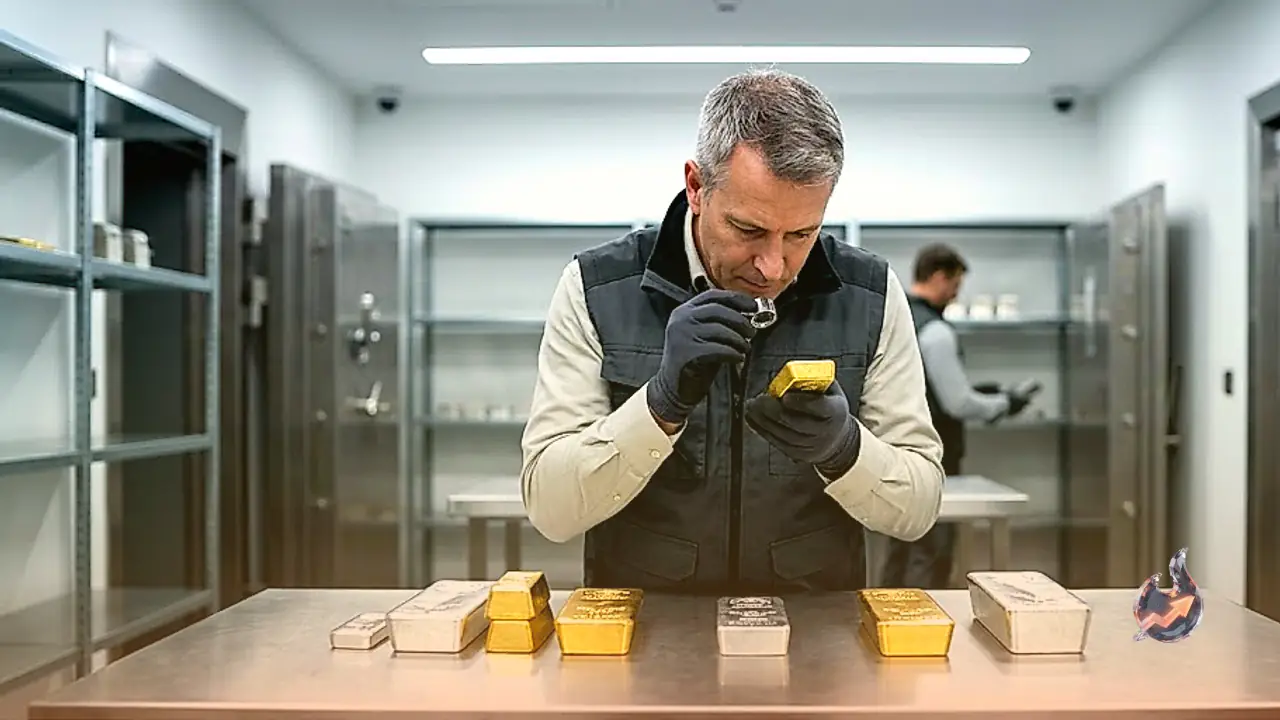
- Gold: The precious metal breached the key $4,000 mark per troy ounce on Wednesday, marking its lowest point since November 2025.
- Bitcoin: Trading between $62,000 and $63,000, Bitcoin remains weighed down by macroeconomic uncertainty and Middle East tensions.
The recent resignation of Keir Starmer resulted in little movement for the Pound, suggesting that traders are more focused on the long end of the gilt curve than domestic political shifts. Meanwhile, at the first FOMC meeting under the leadership of Kevin Warsh, the benchmark rate was held steady at 3.50%-3.75% for the fourth consecutive time. While this was expected, the new chair signaled significant shifts in the central bank's communication strategy during his press conference.