

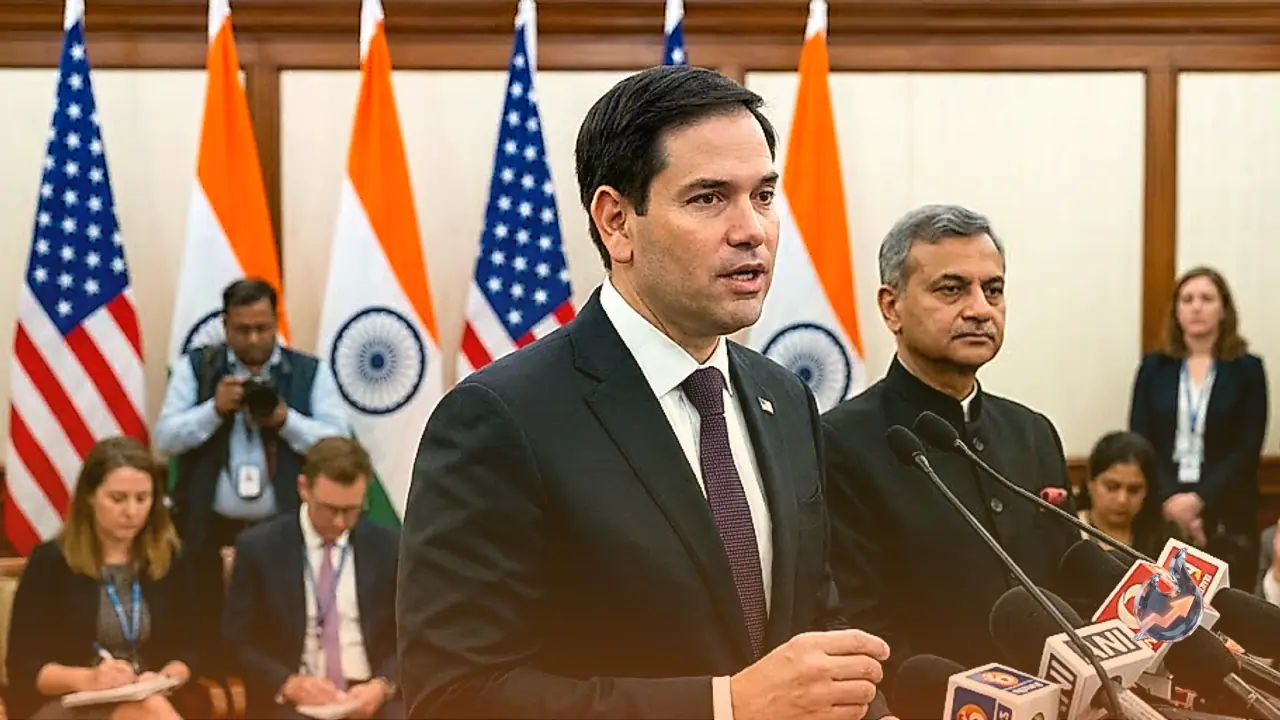





















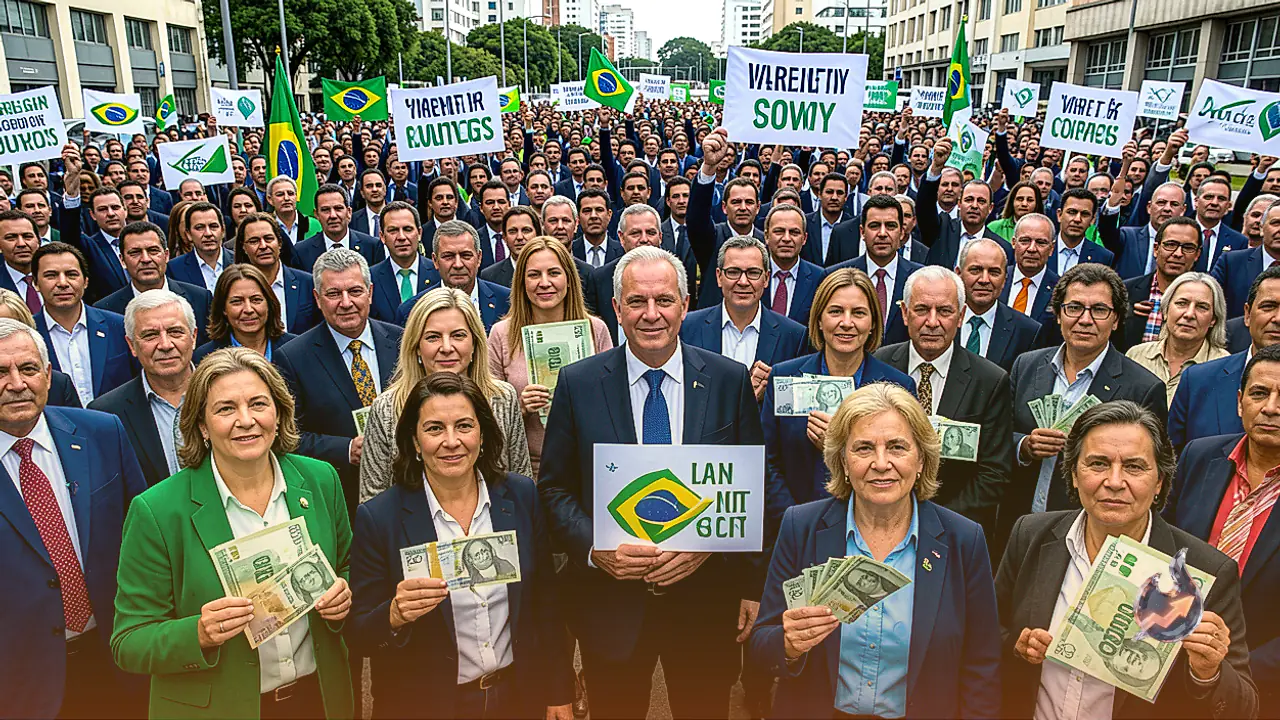

Global currency markets are positioning for significant volatility ahead of the decisive presidential run-off election in Brazil this Sunday. Opinion polls indicate an exceptionally tight race between incumbent President Lula and challenger Flavio Bolsonaro, leaving foreign exchange participants watchful after erratic swings following the initial round of voting. The currency pair USD/BRL has been consolidating near 5.05 after earlier swinging sharply lower, and analysts anticipate that the final ballot will trigger another substantial price reassessment across emerging market desks.
Polling Convergence and Sweeping Shifts in Labour Regulations
In the aftermath of the election's opening round, Flavio Bolsonaro delivered a surprisingly resilient showing, which triggered an immediate market reaction that pushed USD/BRL down to a low of 4.95. Since that initial adjustment, the exchange rate has settled closer to the 5.05 region. Recent voter surveys reveal that the contest has tightened dramatically, with several polls placing the two candidates at an even 50:50 split.
The late momentum behind Lula appears closely connected to major statutory changes recently advanced in Brazil's employment framework. The Brazilian Senate moved to approve a reduction in the legal ceiling for the standard workweek, lowering it from 44 hours to 40 hours. In tandem with this measure, lawmakers effectively abolished the traditional six-days-on, one-day-off (6x1) shift pattern. These worker-focused statutory measures have bolstered support for Lula among the broader labour force, narrowing what had previously looked like a broader divide.
The Decisive Friday Debate and Divergent FX Trajectories
Ahead of Sunday's nationwide balloting, both political contenders will clash in a final televised debate scheduled for Friday. Within financial circles, a prevailing view suggests that public polls may be overstating just how narrow the margin is, under the expectation that the bulk of ballots cast for minor candidates in round one will ultimately migrate toward Bolsonaro.
Chris Turner at ING observed that a victory by Bolsonaro could see USD/BRL gap lower to the 4.85 to 4.90 range at the market open next Monday. Conversely, if President Lula manages to secure a win, currency models project a significantly larger move to the upside for the dollar against the real. The asymmetric risk profile underscores how heavily foreign exchange desks are weighing the potential policy paths under each administration.
Cross-Asset Context: Major Currencies Gauge Macro Headwinds
The election dynamics in Latin America unfold against a broader macro backdrop where global financial markets opened the weekly cycle with divergent trends. While investor risk appetite remains intact, participation is marked by selectivity and acute sensitivity to macroeconomic data releases.
During Asian trading on Tuesday, AUD/USD advanced toward the 0.7000 threshold, buoyed by supportive broader sentiment and a temporary pause in the US Dollar rebound. Upside progress remains capped, however, by simmering geopolitical frictions and institutional caution leading into upcoming artificial intelligence corporate earnings releases. Meanwhile, USD/JPY held steady near 158.50 during Asian dealing hours, as market operators stayed on the sidelines prior to Friday's release of Japan's National Consumer Price Index inflation print. Higher US Treasury bond yields continued to lend underlying support to the greenback against the yen.
Commodity Pressures and Sluggish Momentum in Digital Assets
In precious metals, spot Gold (XAU/USD) drifted slightly lower on Tuesday, marking its third consecutive session in the red, although losses remained contained within a narrow trading channel. Energy pricing patterns and geopolitical tensions across the Middle East continue to dominate the physical commodity complex as traders seek directional clarity.
Digital asset markets mirrored that subdued stance, with Bitcoin holding above $81,000 on Tuesday amid quiet turnover across cryptocurrency exchanges. Alternative tokens followed Bitcoin closely in synchronized trading, with Ethereum trading below $2,400 and Ripple holding below $1.30. Across equities, commodities, foreign exchange, and digital assets, the collective signal is one of measured engagement, where investors stand ready to react to clear policy outcomes and critical inflation markers.