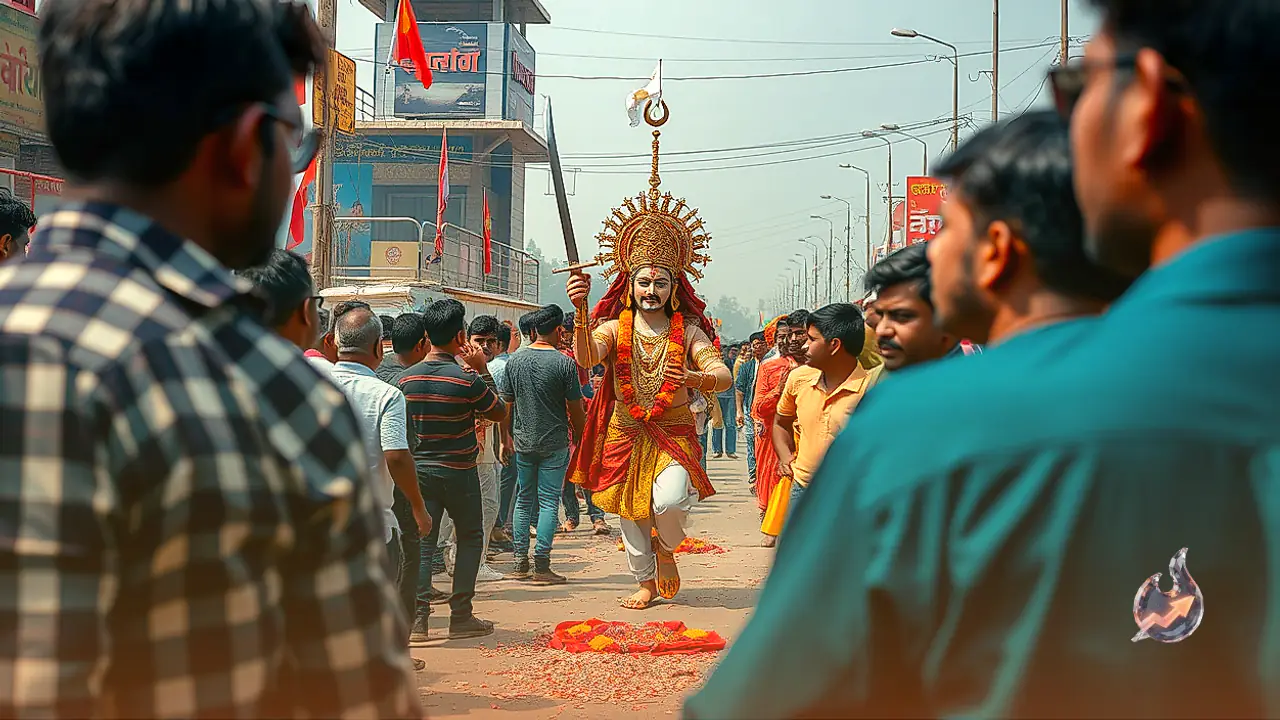
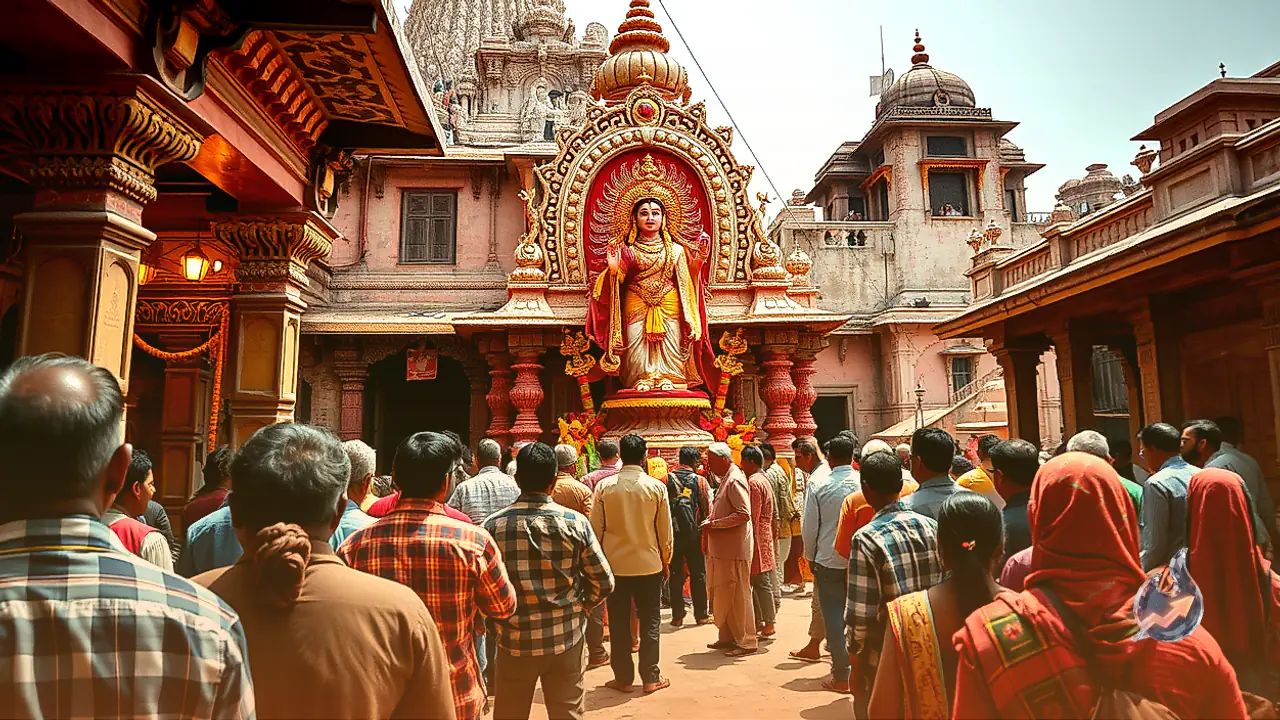

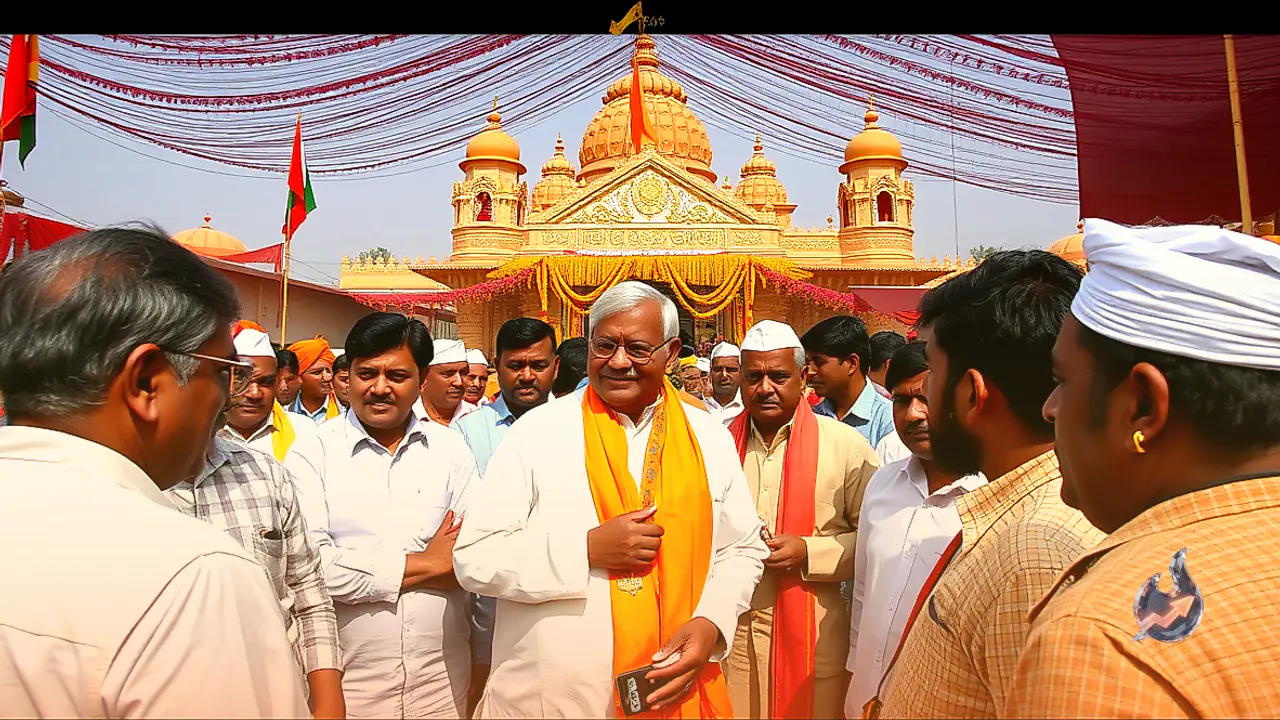














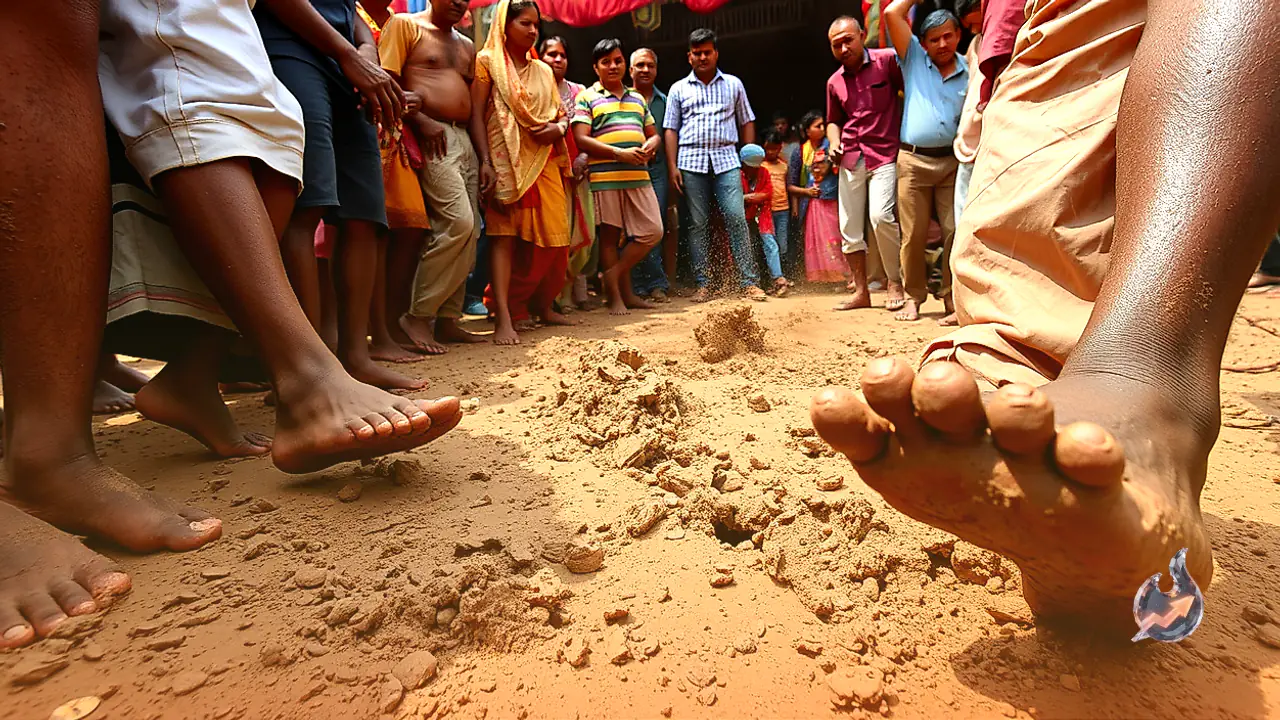

Across the country, Vijayadashami is traditionally celebrated by burning towering effigies of Ravana, Kumbhakarna, and Meghnad to signify the victory of good over evil, but the city of Kota in Rajasthan follows a unique tradition that sets it entirely apart. Here, members of the Jethi community do not burn an effigy of Ravana with fire, but instead end his existence by crushing a mud-crafted Ravana under their bare feet. This distinctive ritual took place on Tuesday inside the akhada of the historical Limbja Mata Temple located in the Nanta area, with participants ranging from young children to elderly wrestlers taking part with immense enthusiasm. Following the symbolic crushing of Ravana, a traditional wrestling tournament was organized inside the akhada.
A centuries-old legacy brought by Jethi wrestlers from Kutch
According to Sohan Jethi, a temple servant of the Limbja Mata Temple, the tradition of trampling a mud Ravana has been passed down since the princely era and continues to be observed with unwavering devotion. The Jethi community originally hails from the Kutch region of Gujarat and is a recognized wrestling community. According to historical lore and traditions, when a princess from Kutch was married into the royal household of Kota, Jethi wrestlers accompanied her to provide security and service. Impressed by their wrestling prowess, physical strength, and combat skills, the ruling Kota ruler of the time settled them permanently in the region.
Akhadas and temples dedicated to Limbja Mata, the community's reigning deity, were established for them. Ever since, members of the Jethi community residing in the Kishorpura and Nanta areas have preserved and carried forward this specific tradition from one generation to the next. The community observes this practice every year on Vijayadashami to honor their historical identity and maintain a deep connection with their ancestral culture and martial heritage.
The meticulous preparation of the mud Ravana begins on Shradh Paksha Amavasya
The process of creating the mud Ravana for this ritual involves specialized and careful preparation. The crafting of the effigy begins right on the Amavasya of the Shradh Paksha period. Sacred soil collected from the temple akhada is used as the primary material. Milk, curd, sugar, and pure honey are kneaded into the soil with the belief that when wrestlers engage in bouts after crushing the effigy, the risk of sustaining injuries during grappling falls significantly.
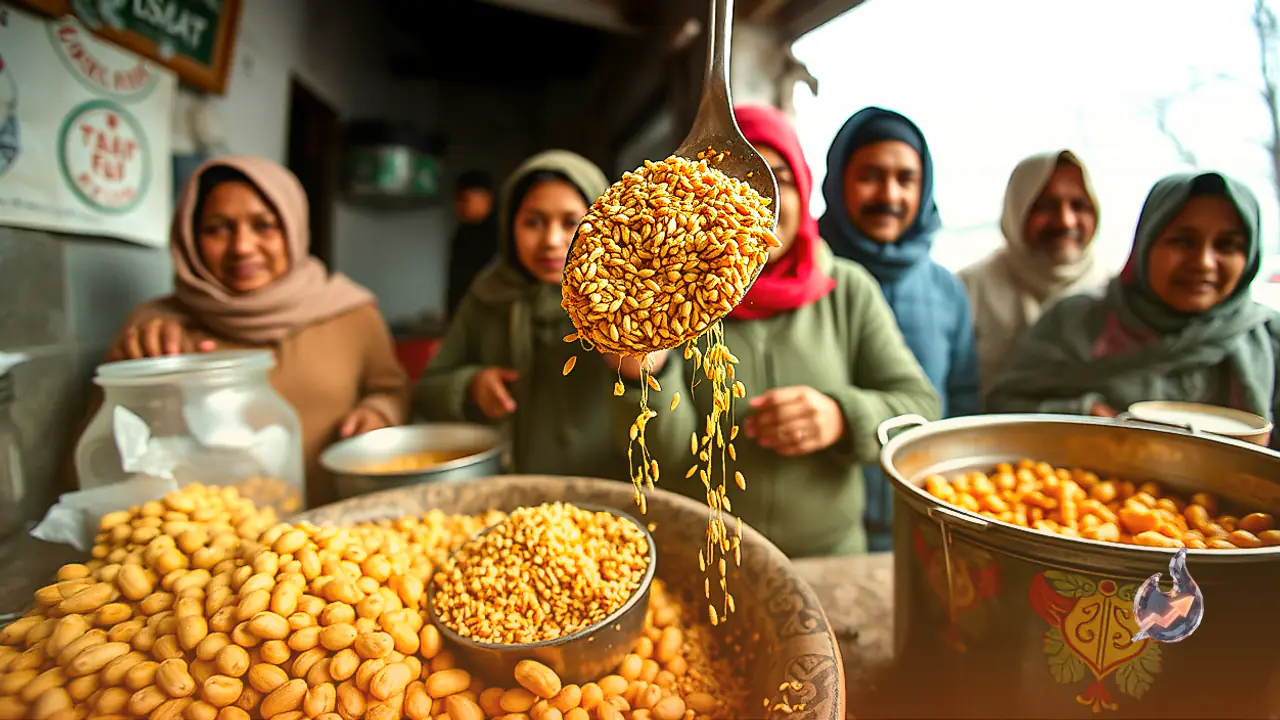
To give the mud effigy a massive and formidable appearance, wheat seeds are sown directly into the soil structure. Over the nine days of Navratris, these seeds sprout and flourish into lush greenery, imparting a distinct and towering form to the mud creation. Right before the commencement of Navratri, the crafting process begins within the temple premises, and general devotees are restricted from entering the inner sanctuary during this time, offering their prayers to Limbja Mata from a window outside.
Special worship of the family deity followed by the Ravana trampling ritual
On the auspicious day of Vijayadashami, special worship rituals are first offered to the presiding deity, Limbja Mata. Once these prayers conclude, members of the community gather at the akhada to witness the mud Ravana and proceed to crush it beneath their feet according to established customs. This act of trampling replaces the conventional burning of effigies seen elsewhere. Following the ritual, wrestling matches are held among the assembled wrestlers to showcase their athletic training.
Community members also bring special food offerings prepared at their homes for the goddess. The event held at the Nanta temple akhada is far more than just a ceremonial crushing of Ravana; it serves as a vivid display of the Jethi community's historical roots and wrestling heritage. While most parts of the country celebrate Vijayadashami with blazing fires, Kota's mud Ravana trampling and subsequent wrestling matches keep a centuries-old tradition alive, continually connecting the younger generation to their historical lineage and akhada culture.