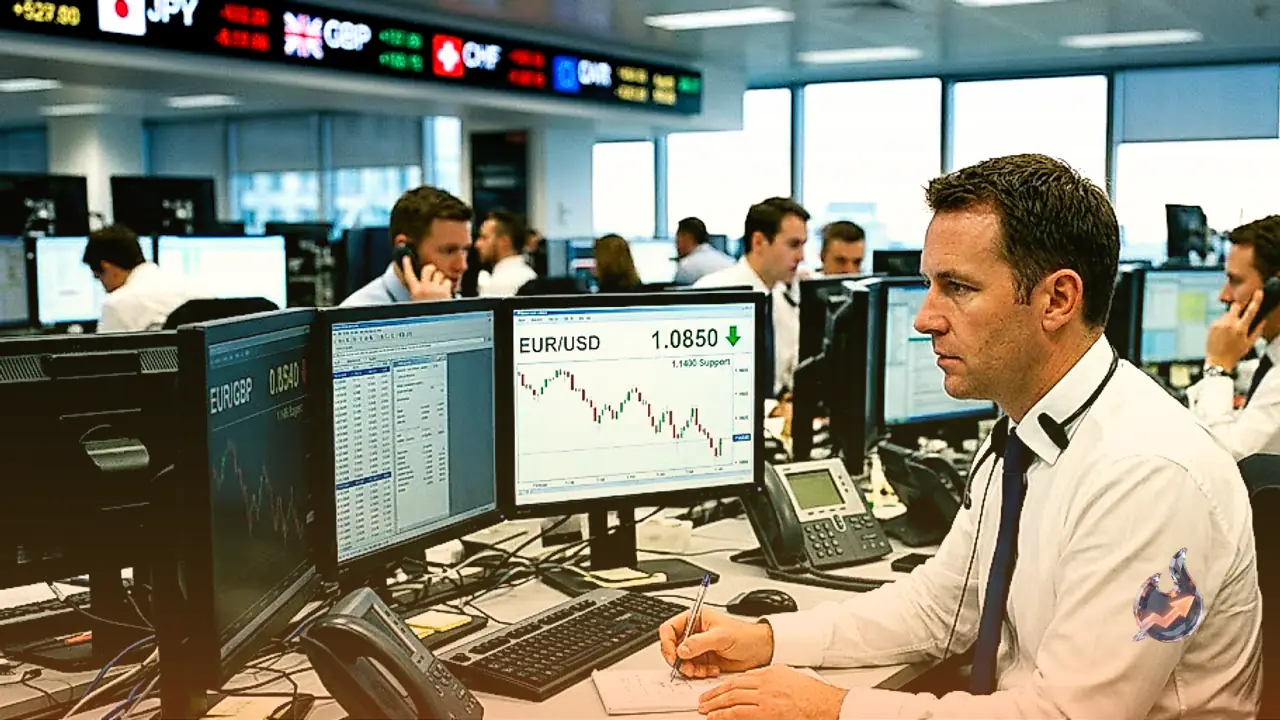

























Crude oil prices have retreated across international energy markets as market participants actively reassess the severity of supply vulnerabilities connected to the ongoing US-Iran conflict and critical shipping arteries. Relief across energy benchmarks followed diplomatic engagements involving the United States, Gulf partners, China, and Iran, which alongside tactical logistics repairs injected confidence into broader financial assets. The retreat in petroleum costs provided much-needed breathing room for risk assets and global duration, allowing benchmark debt instruments to steady following a prolonged and aggressive sell-off over the preceding weeks.
Supply Route Realignment and Strategic Diplomacy
A primary catalyst for the cooling energy market centers on targeted infrastructure restoration in the Middle East. Saudi Arabia has initiated urgent repair operations on its East-West pipeline running toward the Red Sea coast. Authorities in Riyadh intend to bring approximately half of the pipeline's operating capacity back online within days, offering a vital alternative transit mechanism should maritime channels face further friction.
Simultaneously, maritime traffic has not completely vanished from the contested Strait of Hormuz, where select oil tankers continue to navigate the waterway despite heightened territorial friction. On the diplomatic front, Beijing engaged Iranian officials to request assistance in restraining Houthi militants following an explicit appeal to China from Saudi leadership. The request gained urgency after the insurgent group made localized advancements within Yemen toward the Bab el-Mandeb chokepoint over recent days. The prospect of mediated diplomacy managing escalation risks has tempered worst-case supply disruption premiums in global crude markets.
Foreign Exchange Repositioning: AUD Capitalizes on Softening Yields
The alleviation of energy-driven inflation anxieties exerted an immediate influence across currency pairings, most notably AUD/USD. The currency pair traded with a consistent upward bias for a second consecutive session, maintaining its footing firmly above 0.7100 during Friday's Asian trading window. A pullback in benchmark US Treasury yields eroded upside momentum for the greenback, granting room for risk-sensitive currencies to advance.
Domestic monetary drivers amplified the Australian Dollar's strength. Hawkish commentary delivered by Reserve Bank of Australia Governor Bullock fueled expectations for additional monetary tightening, prompting traders to increase their wagers on future rate hikes. Nevertheless, broader upside in the pair encountered friction due to the Federal Reserve's persistently firm policy stance, combined with prevailing geopolitical volatility, both of which established an effective ceiling against extensive US Dollar declines.
Bank of Japan Delivers Surprise Rate Hike to 1.25%
In currency trading across Europe, USD/JPY witnessed a notable reversal, retreating from a two-week peak near 157.30 as the Japanese Yen recovered ground. The currency found renewed buying interest following public remarks by Bank of Japan Governor Ueda during the post-monetary policy meeting press briefing.
Earlier in the day, the Japanese central bank surprised financial observers by voting 7-2 to elevate its policy interest rate to 1.25%. For more than a decade, Japan maintained ultra-loose monetary settings, offering rock-bottom borrowing costs that funneled trillions of dollars into overseas asset allocations and solidified the Yen as a primary vehicle for cheap global funding. While major global central banks embarked on aggressive rate-hiking cycles to suppress post-pandemic price surges, Japan long remained the solitary outlier. As the Bank of Japan advances its normalization efforts with this latest rate hike, the structural funding advantages that anchored cross-border carry trades are confronting an entirely new paradigm.
Bullion Rallies as Yield Pressures Moderate
In precious metals, gold attracted sustained follow-through investment for a second consecutive trading session, touching a fresh weekly summit as European trading gathered pace. The retreat in global crude benchmarks proved pivotal in defusing immediate alarms surrounding spiraling headline inflation, permitting US government bond yields to step further back from multi-year peaks.
The contraction in sovereign bond yields effectively capped potential advances for the US Dollar, creating a constructive environment for non-yielding bullion. Market participants continue to balance these monetary shifts against underlying regional uncertainties, closely tracking whether diplomatic maneuvers can engineer lasting tranquility across key oil transit hubs.