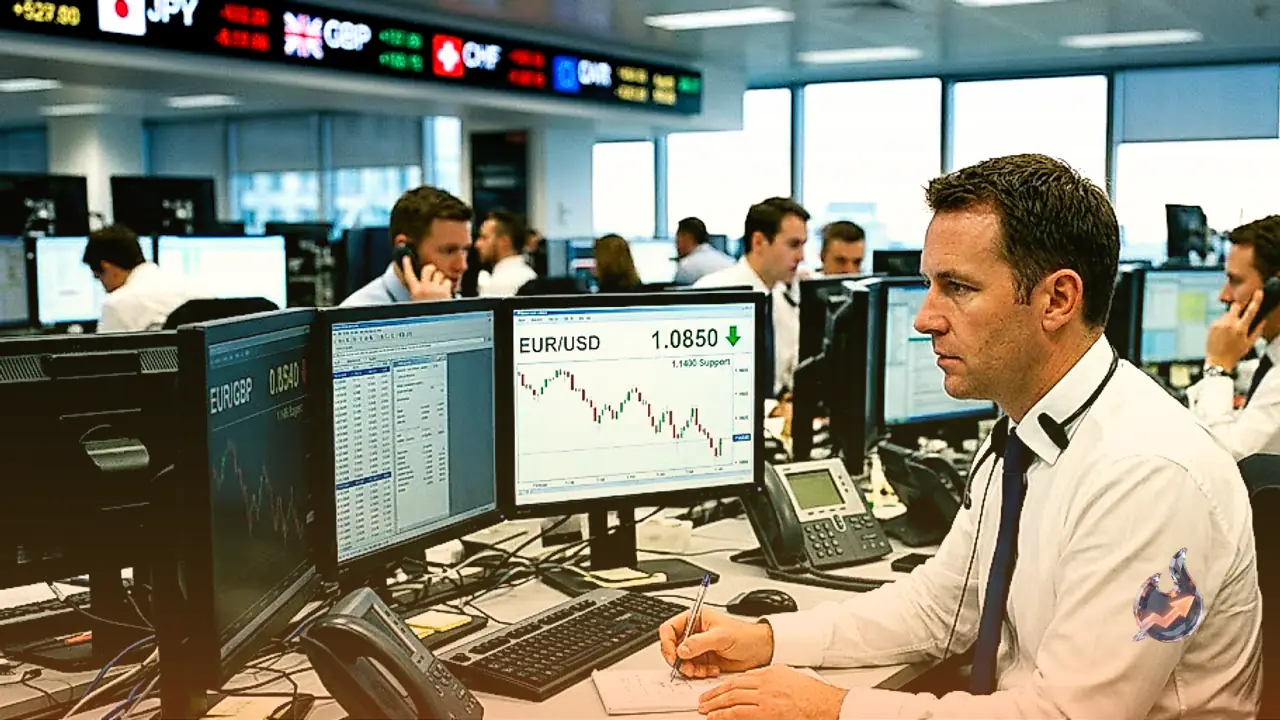







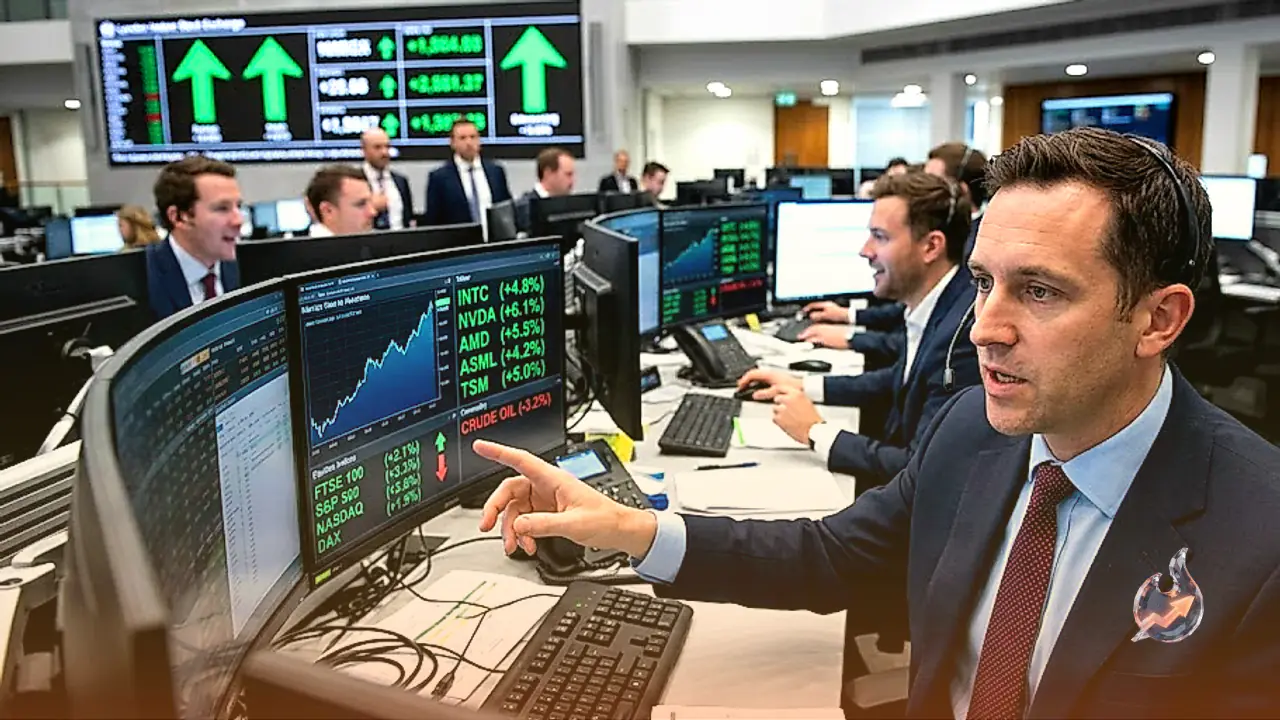

















Global equity markets have mounted a decisive comeback despite recent monetary tightening by the Federal Reserve and expectations of further policy restraint. Upward revisions in corporate earnings estimates and aggressive buying in technology heavyweights have effectively counterbalanced macro headwinds. With consensus earnings growth standing firm at 35 percent, market conditions suggest that any sustained or deep sell-off in equities faces substantial resistance.
Broad-Based Rally Across Global Benchmarks
The resurgence in equity markets was marked by synchronized advances across major regional indices on Thursday. In the United States, the S&P 500 gained 1.2 percent, while the tech-heavy Nasdaq surged 1.7 percent to book its strongest single-day performance since early August. European equities participated equally, with the Stoxx 600 advancing 0.9 percent. In Asian trading hours, South Korea’s Kospi led global gains with an impressive 2.7 percent rally, reflecting heightened appetite for growth assets.
Semiconductor and Big Tech Stocks Lead the Charge
The artificial intelligence theme served as the primary catalyst behind the market upswing. Semiconductor and memory component manufacturers spearheaded the advance, complemented by broad-based gains across mega-cap technology firms. Key industry players including Intel, AMD, and Micron all staged sharp rallies, booking intraday increases between 6 and 8 percent. The buying reflects sustained investor conviction in companies delivering visible earnings momentum alongside reasonable valuations.
Barbell Strategy Gains Traction as Industrials Lag
Despite the prevailing risk-on sentiment, market participation was distinctly uneven. Global industrial stocks were among the weakest performers during the session, demonstrating that investors are becoming significantly more selective. To navigate these divergent fundamentals, market participants are adopting a barbell approach: establishing overweight positions in globally diversified tech companies with proven earnings trajectories and sensible valuations, while maintaining an underweight stance on industrials where stretched multiples clash with decelerating profit margins.
Currency Dynamics and Softer US Bond Yields
Foreign exchange markets mirrored the shifting risk dynamics. The AUD/USD currency pair traded with positive momentum for the second consecutive session, holding firmly above 0.7100 during Asian trading on Friday. A retreat in US Treasury yields weighed on the US Dollar. Concurrently, hawkish remarks from Reserve Bank of Australia Governor Bullock intensified expectations for domestic rate hikes, underpinning the Australian dollar even as broader Federal Reserve tightening and geopolitical uncertainties capped major gains.
Bank of Japan Delivers Unexpected Rate Increase
Meanwhile, USD/JPY retreated from two-week highs near 157.30 heading into the European session as the Japanese Yen gained ground following post-meeting commentary from Bank of Japan Governor Kazuo Ueda. Earlier in the session, the Bank of Japan raised its benchmark policy rate to 1.25 percent following an unexpected 7-2 vote. For over a decade, Japan's ultra-loose monetary policy provided trillions of dollars in ultra-cheap funding for global capital allocation. With the central bank continuing to tighten, that prolonged era of near-zero borrowing costs is definitively shifting.
Gold Strengthens as Yields Retreat on Oil Pullback
In commodity markets, bullion captured steady follow-through demand for a second consecutive day, touching fresh weekly peaks ahead of European hours. Softening crude oil prices helped mitigate immediate fears of persistent inflationary pressures, allowing benchmark US bond yields to pull back further from multi-year highs. The resulting pause in dollar strength provided critical support for precious metals, reinforcing gold's appeal in a shifting macro environment.